
Description
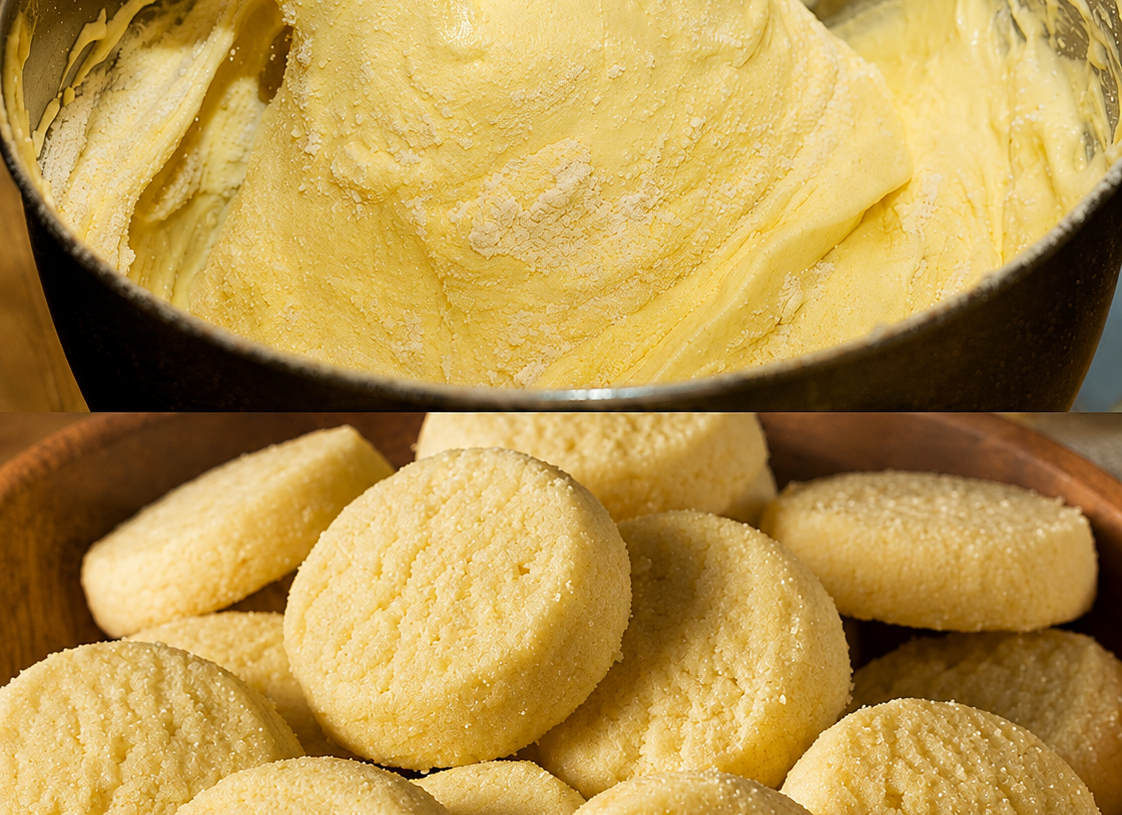
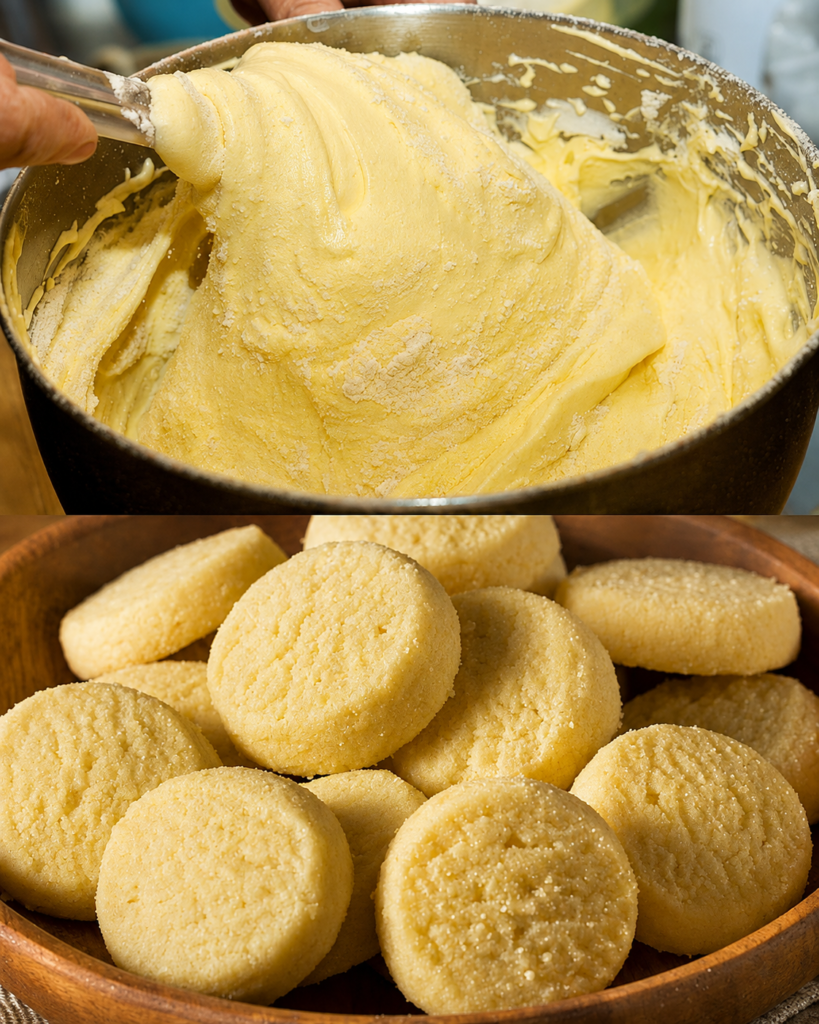
These Diabetes-Friendly Shortbread Cookies are buttery, tender, and delicately crisp around the edges with a soft, crumbly center. Made with almond flour and a low-sugar sweetener, they deliver the classic shortbread experience while keeping carbohydrates lower than traditional cookies.
A small amount of unflavored protein powder adds extra protein without changing the buttery character too much. They’re a lovely low-carb, sugar-free dessert for anyone looking for a more balanced sweet treat.
Short 3-line description:
Buttery, crumbly shortbread cookies made with almond flour and a low-sugar sweetener.
They have a delicate texture with lightly crisp edges and a tender center.
A lower-carb, protein-supportive alternative to traditional sugar-loaded shortbread.
Can This Shortbread Cookie Recipe Support Weight Loss Goals?
It can fit into a weight-loss-friendly eating pattern when enjoyed in appropriate portions. Almond flour and protein powder provide more protein and fat than conventional flour-based shortbread, which can make a small serving more satisfying.
However, these are still calorie-dense cookies because they contain butter and almond flour. Portion size and your overall daily food intake remain important.
Does This Recipe Fit a High-Protein Lifestyle?
These cookies are protein-supportive rather than truly high-protein. Almond flour contributes some protein, while unflavored whey or another suitable protein powder increases the protein content without adding much carbohydrate. Each cookie provides approximately 4 g protein and 2–3 g net carbs, depending on the ingredients and sweetener used. For a genuinely high-protein snack, pair one cookie with Greek yogurt or cottage cheese rather than relying on the cookie alone.
Why This Recipe Is Special
- Lower-carb alternative — Almond flour replaces traditional wheat flour.
- No added sugar — Uses a granulated sugar alternative suitable for low-sugar baking.
- Protein-supportive — Unflavored protein powder adds extra protein.
- Classic shortbread texture — Buttery, crumbly, and lightly crisp.
- Easy to make — Simple ingredients and one bowl make this an uncomplicated dessert.
My Personal Experience
- The texture is wonderfully crumbly.
Almond flour gives these cookies a delicate bite that works especially well with the buttery flavor. - The edges become lightly crisp in the oven.
The centers remain tender as long as the cookies aren’t overbaked. - The protein powder blends surprisingly well.
Using an unflavored variety keeps the classic shortbread flavor front and center. - They are best when completely cooled.
The cookies become firmer and develop their characteristic shortbread texture as they cool.
Perfect For
These cookies are ideal for afternoon tea, coffee breaks, holiday cookie trays, meal-prep desserts, low-carb dessert menus, sugar-conscious eating plans, and small after-dinner treats. They can also be packed individually for portion-controlled snacking.
Why You’ll Love This Recipe
- Buttery and tender
Every bite has the rich flavor associated with classic shortbread. - Lower in carbohydrates
Almond flour keeps the carbohydrate content substantially lower than conventional flour. - No traditional white sugar
A suitable granulated sugar alternative provides sweetness without adding regular sugar. - Simple ingredients
You only need a handful of basic baking ingredients. - Easy to portion
Small cookies make it easier to enjoy a sweet treat in moderation.
Common Mistakes to Avoid
- Overmixing the dough — Mix only until the ingredients come together to maintain a tender texture.
- Using warm butter — Very soft or melted butter can make the cookies spread excessively.
- Overbaking — Remove them when the edges are lightly golden; the centers should still look pale.
- Moving them while hot — Almond-flour cookies are fragile immediately after baking and firm as they cool.
Required Equipment
- Mixing bowl — Provides enough room to combine the dough without overworking it.
- Electric hand mixer — Creams the butter and sweetener evenly for a consistent texture.
- Baking sheet — Gives the cookies a flat surface for even baking.
- Parchment paper — Helps prevent sticking and makes cleanup simple.
- Cookie cutter — Creates evenly sized shortbread cookies for consistent baking.
- Wire rack — Allows the cookies to cool without becoming soggy underneath.
Storage Instructions
Room temperature: Store completely cooled cookies in an airtight container for up to 5 days in a cool, dry place.
Refrigerator: Keep them in an airtight container for up to 7 days; allow them to sit at room temperature briefly before serving for the best texture.
Freezer: Freeze cooled cookies in a freezer-safe container with parchment between layers for up to 2 months.
Reheating: These cookies generally don’t need reheating. If desired, allow frozen cookies to thaw at room temperature for approximately 20–30 minutes.
Recipe Details
Preparation Time: 15 minutes
Chilling Time: 20 minutes
Cooking Time: 10–12 minutes
Total Time: 45–47 minutes
Servings: 18 cookies
Best Season: All-season
Calories: Approximately 115 calories per cookie
Nutrition values are approximate estimates and depend on the specific almond flour, protein powder, butter, and sweetener used.
📝 Ingredients
Shortbread Dough
- 1 1/2 cups (168 g) finely ground almond flour
- 1/4 cup (25 g) unflavored whey protein powder
- 1/4 cup (48 g) powdered erythritol or monk-fruit/erythritol blend
- 1/2 cup (113 g) unsalted butter, softened but not melted
- 1 large egg yolk
- 1 tsp vanilla extract
- 1/4 tsp fine salt
- 1/2 tsp baking powder
Optional Flavor Boost
- 1/2 tsp lemon zest, for a fresh citrus flavor
- 1/4 tsp almond extract, for a stronger almond-shortbread flavor
Ingredient notes: Use finely ground almond flour rather than coarse almond meal for the smoothest texture. If your protein powder is sweetened, reduce the added sweetener. Choose a sweetener that fits your personal carbohydrate goals.
Directions
1. Prepare the Oven
Preheat the oven to 325°F (165°C).
Line a baking sheet with parchment paper.
2. Combine the Dry Ingredients
In a medium bowl, whisk together:
- Almond flour
- Protein powder
- Erythritol
- Baking powder
- Salt
This distributes the protein powder and leavening evenly.
3. Cream the Butter
In a separate bowl, beat the softened butter with the sweetener on medium speed for 1–2 minutes.
The mixture should look smooth and creamy.
Tip: Don’t use melted butter because it can cause the cookies to spread.
4. Add the Wet Ingredients
Beat in the egg yolk and vanilla until just combined.
Add the dry ingredients gradually.
Mix on low speed until a soft dough forms.
High-protein tip: Avoid prolonged mixing after adding the protein powder because excessive mixing can make the cookies firmer.
5. Chill the Dough
Shape the dough into a flat disk.
Wrap and refrigerate for 20 minutes.
The chilled dough should be firm enough to roll without sticking excessively.
6. Roll and Cut
Place the chilled dough between two sheets of parchment paper.
Roll to approximately 1/4-inch thickness.
Cut into approximately 18 small cookies using a 2-inch cookie cutter.
Transfer them carefully to the prepared baking sheet.
7. Bake
Bake at 325°F (165°C) for 10–12 minutes.
Visual cue: The cookies should remain pale overall, with the edges becoming lightly golden.
Do not wait for the entire cookie to turn brown.
8. Cool Completely
Allow the cookies to cool on the baking sheet for 8–10 minutes.
Transfer to a wire rack and cool completely.
Texture cue: They’ll be delicate when warm but become firmer and more shortbread-like as they cool.
Nutrition Facts
Per Cookie — Approximate
| Nutrient | Amount |
|---|---|
| Calories | ~115 kcal |
| Fat | ~10 g |
| Cholesterol | ~18 mg |
| Sodium | ~55 mg |
| Potassium | ~45 mg |
| Total Carbohydrates | ~4 g |
| Fiber | ~2 g |
| Net Carbs | ~2–3 g |
| Sugars | ~1 g |
| Protein | ~4 g |
| Calcium | ~35 mg |
Approximate values only. Different brands of almond flour, protein powder, butter, and sweetener can significantly change the nutrition information.
Notes
- Diabetes-conscious: This recipe contains no regular granulated sugar and is considerably lower in carbohydrates than traditional shortbread, but it is not carbohydrate-free.
- Portion size matters: Enjoying one or two cookies as part of an overall balanced eating pattern is more appropriate than treating them as an unlimited snack.
- Protein: The cookies are protein-supportive but should not be considered a primary high-protein food.
- Allergy note: Contains almonds, dairy, and egg; whey protein is milk-derived.
- Dairy-free option: Use a dairy-free butter alternative and suitable plant-based protein powder, understanding that texture may change.
- Flavor boost: Add lemon zest, orange zest, cinnamon, vanilla, or a small amount of almond extract.
- For crispier cookies: Roll slightly thinner and bake for an additional 1–2 minutes, watching the edges carefully.
- For softer cookies: Roll them slightly thicker and avoid overbaking.
Frequently Asked Questions
1. Are these shortbread cookies diabetes-friendly?
They are a lower-sugar, lower-carb alternative to traditional shortbread, but individual carbohydrate needs vary and portion size still matters.
2. Are these cookies keto-friendly?
They can fit many low-carb or keto-style eating plans because they contain approximately 2–3 g net carbs per cookie, depending on the ingredients used.
3. Can I use coconut flour instead of almond flour?
Not as a direct one-to-one replacement because coconut flour absorbs substantially more liquid and would require a different recipe ratio.
4. Can I omit the protein powder?
Yes, although the cookies will contain less protein and may have a slightly different texture.
5. Why are my cookies falling apart?
Almond-flour shortbread is naturally delicate, so chilling the dough and allowing the baked cookies to cool completely helps them hold together.
6. Can I make these cookies ahead of time?
Yes, they can be prepared several days ahead and stored in an airtight container, or frozen for up to two months.