
Description
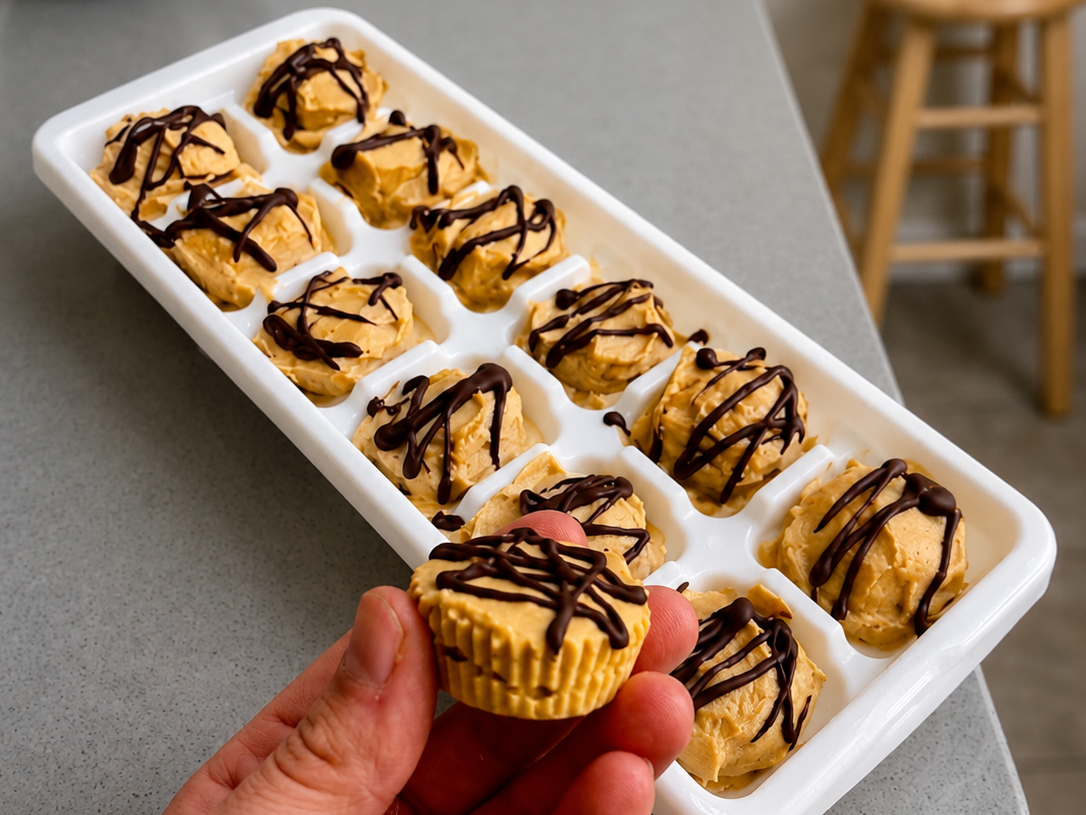
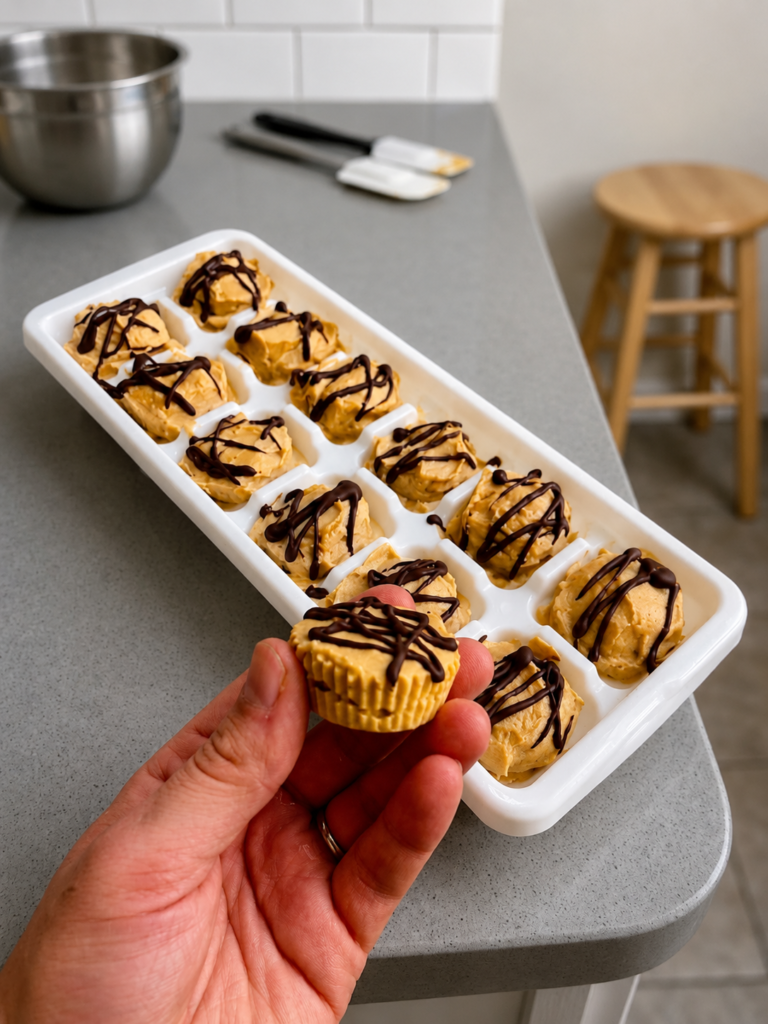
These homemade peanut butter cups combine rich dark chocolate with a creamy, nutty peanut butter filling for a satisfying bite-sized dessert. Using sugar-free chocolate, natural peanut butter, Greek yogurt, and protein powder creates a low-carb, high-protein treat that feels indulgent without relying on traditional added sugar.
Can These Peanut Butter Cups Support Weight Loss Goals?
They can fit into a weight-conscious eating pattern when enjoyed in controlled portions. The peanut butter, Greek yogurt, and protein powder provide protein and fat that can make a small serving more satisfying, while using sugar-free chocolate helps keep added sugar and carbohydrates lower. Calories still matter, so portion size is important.
Do Peanut Butter Cups Fit a High-Protein Lifestyle?
Yes, this version is designed with a protein-boosted filling made from Greek yogurt and protein powder.
The use of sugar-free chocolate and powdered peanut butter helps keep the net carbs relatively modest.
Natural peanut butter contributes healthy fats and additional protein.
For the best protein profile, choose an unsweetened or low-sugar protein powder and check the nutrition label of your chocolate.
Why This Recipe Is Special
- High-protein filling — Greek yogurt and protein powder make the center more protein-rich than traditional peanut butter cups.
- Low-carb friendly — Sugar-free chocolate helps reduce the carbohydrate load.
- No traditional added sugar — A sugar-free sweetener keeps the recipe dessert-like without regular sugar.
- Portion-controlled — Mini cups make it easy to enjoy a satisfying treat without a large serving.
- Freezer-friendly — They set quickly and can be stored for a convenient grab-and-go dessert.
My Personal Experience
- The chocolate shell sets beautifully
A thin first layer creates a crisp chocolate coating around the creamy filling.
Chilling the first layer before adding the center helps prevent mixing. - The peanut butter center stays creamy
Greek yogurt gives the filling a softer texture while protein powder adds structure.
I recommend adding the milk gradually so the filling doesn’t become runny. - Small portions work especially well
These cups are rich enough that one small serving can feel satisfying.
Mini muffin liners also make portioning simple. - A little salt enhances the chocolate
A tiny pinch of salt makes the peanut butter and chocolate flavors stand out.
Flaky salt on top is optional but gives the cups a delicious contrast.
Perfect For
- Low-carb dessert plates
- Keto-style meal plans
- Afternoon snacks
- Portion-controlled sweet treats
- Meal-prep desserts
- Holiday dessert trays
- Chocolate and peanut butter cravings
- A protein-friendly snack after a meal
Why You’ll Love This Recipe
- Rich chocolate flavor
The chocolate shell gives every bite a classic peanut butter cup experience.
Sugar-free chocolate keeps the recipe lower in added sugar. - Creamy peanut butter center
Natural peanut butter provides a rich, nutty filling.
Greek yogurt makes the center lighter and adds protein. - Protein boosted
Protein powder significantly increases the protein content compared with standard candy cups.
Choose a flavor that complements chocolate and peanut butter. - Easy to portion
Mini muffin liners create individual servings.
This makes the cups convenient for snacks and meal prep. - No baking required
The chocolate is simply melted and chilled.
You can have the cups ready without turning on the oven.
Common Mistakes to Avoid
- Overheating the chocolate — Excessive heat can make chocolate thick, grainy, or difficult to spread.
- Making the filling too wet — Add milk a teaspoon at a time so the protein mixture remains thick enough to hold its shape.
- Skipping the first chill — Allow the bottom chocolate layer to firm up before adding the filling.
- Overfilling the cups — Leave enough room for the final chocolate layer to completely cover the filling.
Required Equipment
- Mini muffin pan — Keeps the individual cups uniform in size.
- Mini paper or silicone liners — Makes the finished cups easy to remove.
- Microwave-safe bowl — Allows gentle melting of the chocolate.
- Small spoon — Helps distribute chocolate and filling precisely.
- Refrigerator or freezer — Quickly sets the chocolate layers.
Storage Instructions
Place finished peanut butter cups in an airtight container, separating layers with parchment paper if stacking.
- Refrigerator: Store for up to 7 days.
- Freezer: Store for up to 2 months in a freezer-safe airtight container.
- Allow frozen cups to sit at room temperature for 5–10 minutes before eating for a softer filling.
- Keep them chilled because the filling contains Greek yogurt.
- Freezing does not significantly change the protein content, although the texture may become slightly firmer.
Recipe Details
- Preparation Time: 15 minutes
- Chilling Time: 30 minutes
- Cooking Time: 5 minutes
- Total Time: 50 minutes
- Servings: 8 peanut butter cups
- Best Season: All-season
- Total Calories: Approximately 150 calories per serving
Short 3-Line Description
Creamy peanut butter filling meets rich sugar-free chocolate in these homemade cups.
Greek yogurt and protein powder add a protein boost while keeping the recipe low-carb friendly.
They are easy to prepare, portion, chill, and enjoy whenever a chocolate craving hits.
📝 Ingredients
Chocolate Shell
- 1 cup (170 g) sugar-free dark chocolate chips
- 1 tablespoon (14 g) coconut oil
- ⅛ teaspoon salt
High-Protein Peanut Butter Filling
- ⅓ cup (85 g) natural creamy peanut butter
- ½ cup (120 g) plain nonfat Greek yogurt
- ¼ cup (24 g) powdered peanut butter
- 2 scoops (about 50–60 g) vanilla or unflavored protein powder
- 1–2 tablespoons unsweetened almond milk, as needed
- ½ teaspoon vanilla extract
- 1–2 tablespoons powdered erythritol or another suitable sugar-free sweetener, optional and to taste
Ingredient notes: Use peanut butter without added sugar when possible. Choose sugar-free chocolate that fits your preferred carbohydrate target. If using sweetened protein powder, you may not need additional sweetener.
Directions
- Prepare the pan.
Line 8 cavities of a mini muffin pan with paper or silicone liners. Set aside. - Melt the chocolate.
Place sugar-free chocolate chips and coconut oil in a microwave-safe bowl. Microwave at 50% power for 20–30 seconds at a time, stirring after each interval, until smooth and glossy. - Create the bottom layer.
Spoon approximately 1½ teaspoons of melted chocolate into each liner. Gently spread it across the bottom.
Chill for 8–10 minutes until the chocolate looks firm rather than wet. - Make the protein filling.
In a bowl, combine peanut butter, Greek yogurt, powdered peanut butter, protein powder, and vanilla. Stir until thick and creamy. - Adjust the texture.
Add almond milk 1 teaspoon at a time only if the filling is too thick. The finished filling should resemble a thick, scoopable peanut butter spread, not a liquid. - Add the filling.
Place about 1 tablespoon of filling in the center of each chilled chocolate base. Keep the filling slightly below the rim so the final chocolate layer can cover it. - Finish with chocolate.
Spoon the remaining melted chocolate over each cup. Gently spread it to the edges so the filling is completely enclosed. - Add optional toppings.
A tiny sprinkle of flaky salt or a few crushed roasted peanuts can add extra texture. Keep toppings modest if controlling carbohydrates and calories. - Chill until set.
Refrigerate for 20–30 minutes, or freeze for about 10–15 minutes, until the chocolate is firm and glossy. - High-protein cooking tip:
Use a protein powder with a good protein-to-calorie ratio and avoid adding excessive milk. A thicker filling gives the cups a better structure and keeps the protein concentration higher.
Nutrition Facts — Per Serving, Approximate
Based on 8 servings and the ingredients above. Actual values vary by chocolate, peanut butter, Greek yogurt, and protein powder brands.
- Calories: ~150 kcal
- Fat: ~9 g
- Cholesterol: ~5 mg
- Sodium: ~100 mg
- Potassium: ~130 mg
- Total Carbohydrates: ~9 g
- Fiber: ~3 g
- Net Carbs: ~6 g
- Sugars: ~1 g
- Protein: ~10 g
- Calcium: ~55 mg
Notes
- Storage: Keep refrigerated for up to 7 days or frozen for up to 2 months.
- Reheating: No reheating is needed; allow frozen cups to soften for several minutes before eating.
- Allergy note: Contains peanuts and dairy; protein powder and chocolate may contain additional allergens depending on the brand.
- Sugar-free note: “Sugar-free” chocolate products can still contain carbohydrates, so check the nutrition label.
- Flavor boost: Add a pinch of sea salt, cinnamon, espresso powder, or a small amount of unsweetened coconut.
- Protein tip: For the highest protein-to-calorie ratio, use Greek yogurt and a protein powder with minimal added sugar.
- Diabetic-friendly note: This recipe is designed to be lower in added sugar and carbohydrates, but individual blood-glucose responses vary. Portion size and the specific brands used still matter.
Frequently Asked Questions
1. Are these peanut butter cups diabetic-friendly?
They can be suitable for a carbohydrate-conscious eating pattern when portioned appropriately, but the nutrition label of each ingredient should be considered.
2. Can I make these peanut butter cups without protein powder?
Yes, but removing the protein powder will lower the protein content and may make the filling softer.
3. Can I use regular chocolate instead of sugar-free chocolate?
Yes, although regular chocolate will generally increase the added sugar and carbohydrate content.
4. Why is Greek yogurt used in the filling?
Greek yogurt adds creaminess and protein while helping create a smooth peanut butter center.
5. Can I freeze homemade peanut butter cups?
Yes, they freeze well in an airtight container for up to about two months.
6. How do I make them even lower in carbs?
Use unsweetened peanut butter, a low-carb protein powder, sugar-free chocolate with minimal net carbs, and omit optional sweetened toppings.