
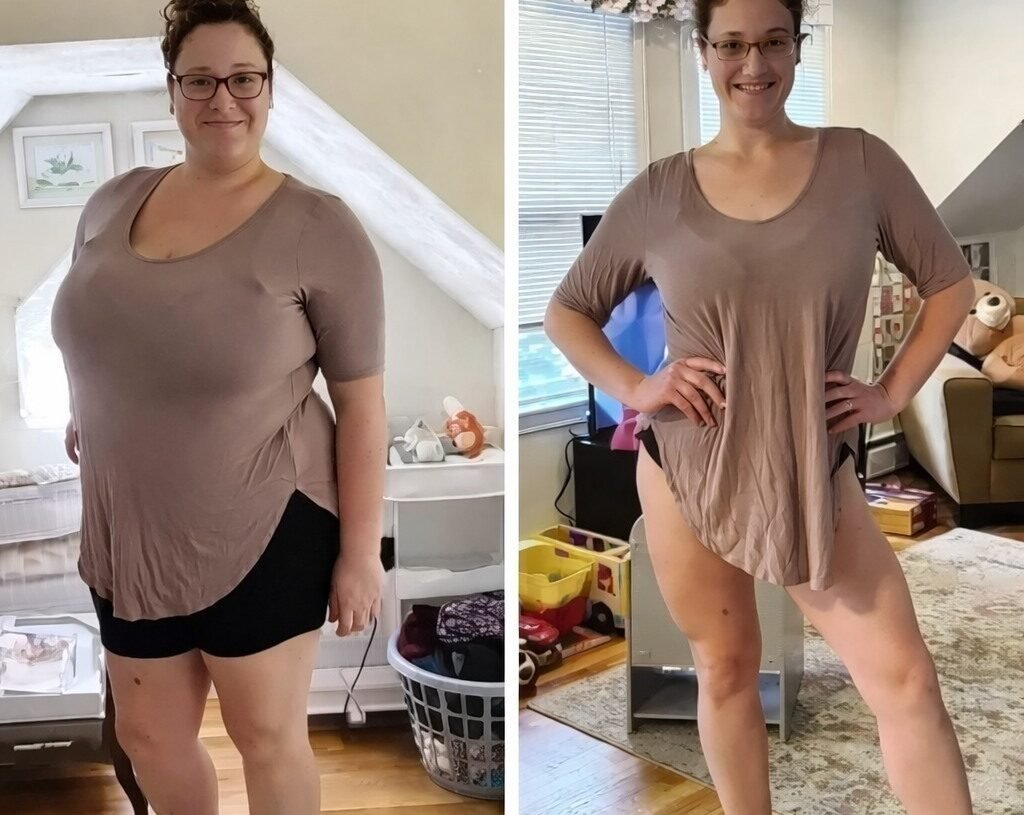
Weight Loss Guide For Beginners – Step By Step Meal Plan
You’ve probably heard about the plant-based diet that’s gaining popularity among celebrities and athletes, and for good reason: vegan diets offer proper nourishment with whole, nutrient-dense foods while promoting a healthy lifestyle. This approach helps you fuel your body with plants, making weight management and overall wellness much more achievable! But where does this “vegan” word fit into the picture?
🥗 WEIGHT LOSS GUIDE FOR BEGINNERS
Losing weight is about consistency, balance, and sustainability. No matter the diet, the basics stay the same:
✅ Eat whole foods
✅ Control portions
✅ Balance protein, carbs, and fats
✅ Stay hydrated
✅ Move your body daily
✅ Sleep 7–8 hours
🔑 BASIC RULES FOR ALL DIETS
Drink 2–3 liters of water daily
Eat protein at every meal
Avoid sugary drinks & refined flour
Fill half your plate with vegetables
Walk at least 30 minutes daily
Stop eating when 80% full
What is a vegan diet?
The vegan diet is an eating plan that eliminates all animal products, including meat, fish, eggs, dairy, and honey.
People decide to adopt veganism for different reasons, such as ethical concerns or religious principles.
A vegan diet is a plant-based plan that excludes all animal products, like meat, fish, dairy and even honey. Its cousin, the vegetarian diet, is a bit broader and excludes meat and fish but includes dairy and eggs. Though the vegan diet has many health benefits, just because something is labeled “vegan” doesn’t necessarily mean it’s a great choice. For example, 2021 research published in The Journal of Nutrition suggests that avoidance of animal-based foods was associated with a higher intake of ultra-processed foods—meat and dairy substitutes made from vegan and vegetarian sources. To reap the benefits of this eating lifestyle, focus on nutrient-dense whole foods—think beans, lentils, nuts, seeds, whole grains and of course, plenty of fruits and vegetables.
While some may worry about getting enough protein when not eating meat or other animal products, it is possible to get plenty of protein on a vegan diet. Try to incorporate protein foods, like peanut butter, beans, lentils, tofu, seitan and nuts, into most of your meals to stay satisfied in-between meals. If trying the vegan diet seems intimidating, consider the flexitarian diet by including a few meatless days a week to start and go from there.
Why Nutrition is Important for a Vegan Weight Loss Diet
The vegan diet itself is not a weight loss diet. Cutting out meat, eggs, seafood, and dairy is not the answer to losing body fat. However, if you have a weight loss goal but also ethically prefer to follow a plant-based vegan lifestyle, you can lose weight with some planning and preparation.
Research published in the journal Nutrition found that compared to other eating patterns, vegan diets can be very effective for weight loss and also for improving other aspects of your health.1
The key is to create a calorie deficit while meeting your nutrient needs. To lose weight, it is generally thought that you need to create a calorie deficit of between 250 and 500 calories per day. This can be accomplished using exercise, diet, or a combination of both.2
The vegan weight loss diet can be challenging because high-protein foods like those from animal proteins tend to be more satisfying and satiating than carbohydrates. Cutting out those foods, or swapping in some highly processed alternatives, could mean a less satisfying diet. If you feel hungry, restricted, or deprived, you’re more likely to sway from the plan which may delay you from reaching your goal.3
One way to improve your chances of enjoying your food and preventing hunger pangs shortly after eating is to find the right balance of fats, fiber, protein, and nutrients for you. Following a vegan weight loss meal plan like the one provided can help you do just that
Tips for making your vegan meal plan for weight loss
If you’re considering a vegan diet for weight loss, below are some helpful tips for forming a vegan meal plan that works for you.
Focus on whole foods. Not all vegan diets are equal. A person can go vegan while still consuming high amounts of processed foods, negatively impacting weight loss. Prioritize whole foods such as fruits, vegetables, nuts, seeds, beans, legumes, and whole grains.
Incorporate protein into each meal. A big challenge of vegan diets is consuming adequate protein, which is a required nutrient for satiety. Make sure you have a good source of protein at each meal such as tofu, tempeh, seitan, or edamame.
Limit processed foods. Avoid processed and packaged items, even if vegan-friendly. These foods can hinder weight loss progress and negate some of the health benefits associated with a vegan diet. Instead, choose more vegan-friendly whole foods.
Watch out for hidden calories. Calories can be hiding in high amounts in both processed and healthy, whole foods. For example, nuts, seeds, and oils contain high amounts of calories per serving and can easily be overconsumed when added to meals.
Meal prep before each week. Having a plan can help you stick with your goals. Plan and prep out meals or ingredients to make healthy choices easier. Consider “veganizing” your favorite meals to help you enjoy the process more.
Stay hydrated. Adequate hydration is essential, especially when consuming a high-fiber diet. Maintaining adequate hydration also helps keep our appetite in check and avoid frequent, unnecessary snacking that can lead to weight gain.
Reduce/eliminate alcohol. Alcohol can add extra calories and added sugar to your diet, which can negatively impact weight loss results. Consider reducing or eliminating alcohol in your diet and swapping for a healthier alternative such as seltzer water.
Avoid caloric beverages. Many beverages contain hidden calories that can sabotage your weight loss efforts. Pay attention to what you choose to drink and limit or avoid caloric beverages such as soda, energy drinks, sugary coffees, and juices.
Be mindful of oils. Cooking oils can add a lot of extra calories. While many oils, like olive oil, have health benefits, it’s important to be mindful of how much and how frequently you are using them when trying to lose weight.
Practice portion control. Even the healthiest foods can be over-eaten. Be mindful of your portions for all foods to ensure you aren’t overextending your calorie intake and diminishing your weight loss efforts.
Prioritize fiber. The best vegan diet is rich in fiber which is associated with weight loss benefits. Be sure to choose more fiber-rich foods such as fruits, vegetables, beans, legumes, and whole grains.
Best vegan foods to eat for weight loss: shopping list
When putting your new diet into action, you may be wondering what foods are best to include to get the most out of your weight loss efforts.
Here are some examples of the best foods to include in a vegan diet for weight loss:
Unprocessed soy (tofu, edamame, soymilk)
Tempeh
Seitan
Nuts (almonds cashews, walnuts)
Seeds (sunflower seeds, hemp seeds, chia seeds, flaxseeds)
Fruits (berries, apples, banana, avocado)
Vegetables (leafy greens, zucchini, carrots)
Nutritional yeast
Beans and legumes (lentils, chickpeas, kidney beans)
Whole grains (quinoa, brown rice, whole-grain bread)
Vegan foods to avoid for weight loss
Now that we have an idea of what we want to include more of in a vegan diet for weight loss, let’s go over foods to limit or avoid. Here are some specific foods to be mindful of if choosing a vegan diet for weight loss:
Processed foods (packaged meat alternatives, vegan snack foods, vegan baked goods)
Alcohol
Sugary beverages (soda, energy drinks, juice, sugary coffees)
Vegan desserts
Plant-based yogurts with high added sugars
🥑 KETO WEIGHT LOSS MEAL PLAN
Keto focuses on low carbs, high fat, moderate protein.
✅ Foods to Eat
Eggs, chicken, beef, fish
Cheese, butter, olive oil
Avocado, nuts
Spinach, broccoli, zucchini
❌ Avoid
Bread, rice, sugar
Potatoes, pasta
Sweet fruits
🗓 Sample Day (Keto)
Breakfast
Scrambled eggs with cheese & avocado
Lunch
Grilled chicken salad with olive oil
Snack
Almonds or cheese cubes
Dinner
Baked salmon with broccoli
Drink
Water, black coffee, green tea
🍏 WW (WEIGHT WATCHERS) MEAL PLAN
WW focuses on low-calorie, high-volume foods with points control.
✅ Foods to Eat
Chicken breast, tuna
Eggs, beans
Vegetables
Fruits
Low-fat dairy
❌ Limit
Fried foods
Sugary snacks
Heavy sauces
🗓 Sample Day (WW)
Breakfast
Greek yogurt with berries
Lunch
Turkey wrap with lettuce
Snack
Apple + boiled egg
Dinner
Grilled fish with veggies
Drink
Water, herbal tea
🌱 VEGAN WEIGHT LOSS MEAL PLAN
Vegan focuses on plant-based, fiber-rich foods.
✅ Foods to Eat
Lentils, chickpeas
Tofu, beans
Vegetables
Oats, quinoa
Fruits
❌ Avoid
Fried vegan foods
Sugary desserts
White bread
🗓 Sample Day (Vegan)
Breakfast
Oatmeal with banana & seeds
Lunch
Chickpea salad with lemon dressing
Snack
Nuts or fruit
Dinner
Stir-fried tofu with vegetables
Drink
Water, green tea
🫒 MEDITERRANEAN WEIGHT LOSS MEAL PLAN
Mediterranean focuses on healthy fats, lean protein, and whole foods.
✅ Foods to Eat
Fish, chicken
Olive oil
Vegetables
Beans
Whole grains
❌ Limit
Red meat
Butter
Sugary foods
🗓 Sample Day (Mediterranean)
Breakfast
Eggs with tomatoes & olive oil
Lunch
Grilled chicken salad
Snack
Greek yogurt + nuts
Dinner
Fish with roasted veggies
Drink
Water, lemon water
🏃♀️ EXERCISE FOR BEGINNERS
You don’t need a gym.
✅ Walk 30 min
✅ Stretch daily
✅ Do 10 squats, 10 pushups, 10 sit-ups
✅ Be active, not perfect
⚡ WEIGHT LOSS TIPS THAT WORK
Eat slowly
Control portions
Track food
Don’t skip meals
Be patient
Stay consistent
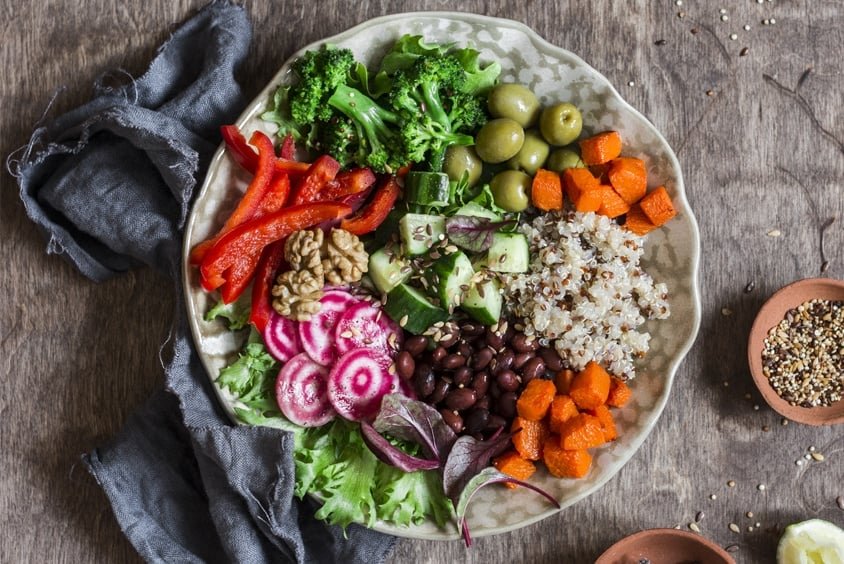
What is a vegan diet?
The vegan diet is an eating plan that eliminates all animal products, including meat, fish, eggs, dairy, and honey.
People decide to adopt veganism for different reasons, such as ethical concerns or religious principles.
A vegan diet is a plant-based plan that excludes all animal products, like meat, fish, dairy and even honey. Its cousin, the vegetarian diet, is a bit broader and excludes meat and fish but includes dairy and eggs. Though the vegan diet has many health benefits, just because something is labeled “vegan” doesn’t necessarily mean it’s a great choice. For example, 2021 research published in The Journal of Nutrition suggests that avoidance of animal-based foods was associated with a higher intake of ultra-processed foods—meat and dairy substitutes made from vegan and vegetarian sources. To reap the benefits of this eating lifestyle, focus on nutrient-dense whole foods—think beans, lentils, nuts, seeds, whole grains and of course, plenty of fruits and vegetables.
While some may worry about getting enough protein when not eating meat or other animal products, it is possible to get plenty of protein on a vegan diet. Try to incorporate protein foods, like peanut butter, beans, lentils, tofu, seitan and nuts, into most of your meals to stay satisfied in-between meals. If trying the vegan diet seems intimidating, consider the flexitarian diet by including a few meatless days a week to start and go from there.
Why Nutrition is Important for a Vegan Weight Loss Diet
The vegan diet itself is not a weight loss diet. Cutting out meat, eggs, seafood, and dairy is not the answer to losing body fat. However, if you have a weight loss goal but also ethically prefer to follow a plant-based vegan lifestyle, you can lose weight with some planning and preparation.
Research published in the journal Nutrition found that compared to other eating patterns, vegan diets can be very effective for weight loss and also for improving other aspects of your health.1
The key is to create a calorie deficit while meeting your nutrient needs. To lose weight, it is generally thought that you need to create a calorie deficit of between 250 and 500 calories per day. This can be accomplished using exercise, diet, or a combination of both.2
The vegan weight loss diet can be challenging because high-protein foods like those from animal proteins tend to be more satisfying and satiating than carbohydrates. Cutting out those foods, or swapping in some highly processed alternatives, could mean a less satisfying diet. If you feel hungry, restricted, or deprived, you’re more likely to sway from the plan which may delay you from reaching your goal.3
One way to improve your chances of enjoying your food and preventing hunger pangs shortly after eating is to find the right balance of fats, fiber, protein, and nutrients for you. Following a vegan weight loss meal plan like the one provided can help you do just that
Tips for making your vegan meal plan for weight loss
If you’re considering a vegan diet for weight loss, below are some helpful tips for forming a vegan meal plan that works for you
Focus on whole foods. Not all vegan diets are equal. A person can go vegan while still consuming high amounts of processed foods, negatively impacting weight loss. Prioritize whole foods such as fruits, vegetables, nuts, seeds, beans, legumes, and whole grains.
Incorporate protein into each meal. A big challenge of vegan diets is consuming adequate protein, which is a required nutrient for satiety. Make sure you have a good source of protein at each meal such as tofu, tempeh, seitan, or edamame.
Limit processed foods. Avoid processed and packaged items, even if vegan-friendly. These foods can hinder weight loss progress and negate some of the health benefits associated with a vegan diet. Instead, choose more vegan-friendly whole foods.
Watch out for hidden calories. Calories can be hiding in high amounts in both processed and healthy, whole foods. For example, nuts, seeds, and oils contain high amounts of calories per serving and can easily be overconsumed when added to meals.
Meal prep before each week. Having a plan can help you stick with your goals. Plan and prep out meals or ingredients to make healthy choices easier. Consider “veganizing” your favorite meals to help you enjoy the process more.
Stay hydrated. Adequate hydration is essential, especially when consuming a high-fiber diet. Maintaining adequate hydration also helps keep our appetite in check and avoid frequent, unnecessary snacking that can lead to weight gain.
Reduce/eliminate alcohol. Alcohol can add extra calories and added sugar to your diet, which can negatively impact weight loss results. Consider reducing or eliminating alcohol in your diet and swapping for a healthier alternative such as seltzer water.
Avoid caloric beverages. Many beverages contain hidden calories that can sabotage your weight loss efforts. Pay attention to what you choose to drink and limit or avoid caloric beverages such as soda, energy drinks, sugary coffees, and juices.
Be mindful of oils. Cooking oils can add a lot of extra calories. While many oils, like olive oil, have health benefits, it’s important to be mindful of how much and how frequently you are using them when trying to lose weight.
Practice portion control. Even the healthiest foods can be over-eaten. Be mindful of your portions for all foods to ensure you aren’t overextending your calorie intake and diminishing your weight loss efforts.
Prioritize fiber. The best vegan diet is rich in fiber which is associated with weight loss benefits. Be sure to choose more fiber-rich foods such as fruits, vegetables, beans, legumes, and whole grains.
Best vegan foods to eat for weight loss: shopping list
When putting your new diet into action, you may be wondering what foods are best to include to get the most out of your weight loss efforts.
Here are some examples of the best foods to include in a vegan diet for weight loss:
Unprocessed soy (tofu, edamame, soymilk)
Tempeh
Seitan
Nuts (almonds cashews, walnuts)
Seeds (sunflower seeds, hemp seeds, chia seeds, flaxseeds)
Fruits (berries, apples, banana, avocado)
Vegetables (leafy greens, zucchini, carrots)
Nutritional yeast
Beans and legumes (lentils, chickpeas, kidney beans)
Whole grains (quinoa, brown rice, whole-grain bread)
Vegan foods to avoid for weight loss
Now that we have an idea of what we want to include more of in a vegan diet for weight loss, let’s go over foods to limit or avoid. Here are some specific foods to be mindful of if choosing a vegan diet for weight loss:
Processed foods (packaged meat alternatives, vegan snack foods, vegan baked goods)
Alcohol
Sugary beverages (soda, energy drinks, juice, sugary coffees)
Vegan desserts
Plant-based yogurts with high added sugars
🩺🥗 Diabetic Diet: Complete Meal Guide + Do’s & Don’ts
Managing diabetes starts with balanced meals, portion control, and smart food choices. A proper diabetic diet helps control blood sugar, maintain a healthy weight, improve heart health, and increase energy levels. Below is a complete beginner-friendly guide including a full-day sample meal plan and clear do’s and don’ts.
🥗 What is a Diabetic Diet?
A diabetic diet focuses on:
Controlling carbohydrates
Choosing low glycemic index (GI) foods
Increasing fiber intake
Including lean protein
Choosing healthy fats
Avoiding added sugars and refined carbs
The goal is to keep blood glucose levels stable throughout the day.
🍽️ Sample Full-Day Diabetic Meal Plan
🌅 Breakfast (Balanced & Low GI)
Option 1: Vegetable Omelet Plate
2 eggs (or 1 whole egg + 2 egg whites)
½ cup spinach
¼ cup chopped tomatoes
¼ cup bell peppers
1 tsp olive oil
1 slice whole-grain bread
1 small apple (optional)
✅ High protein
✅ Fiber-rich
✅ Low sugar
☀️ Mid-Morning Snack
10–12 almonds
OR
1 small bowl plain Greek yogurt (unsweetened)
✅ Healthy fats
✅ Keeps blood sugar steady
🌞 Lunch (Plate Method)
Use the diabetic plate method:
½ plate non-starchy vegetables
¼ plate lean protein
¼ plate whole grains or healthy carbs
Example Lunch:
3 oz grilled chicken breast
1 cup mixed salad (lettuce, cucumber, carrot)
½ cup brown rice or quinoa
1 tsp olive oil + lemon dressing
🌇 Evening Snack
1 boiled egg
OR
½ cup cottage cheese
OR
1 small pear
🌙 Dinner (Light & Controlled Carbs)
Option 1: Grilled Fish Plate
4 oz baked salmon
1 cup steamed broccoli
½ cup sautéed zucchini
1 small whole wheat roti (optional)
OR
Option 2: Lentil Bowl
¾ cup cooked lentils
1 cup mixed vegetables
Side cucumber salad
💧 Hydration
8–10 glasses water daily
Herbal tea (no sugar)
Black coffee (moderate)
Avoid sugary drinks completely.
🥦 Best Foods for Diabetics
✅ Vegetables (Non-Starchy)
Spinach
Broccoli
Cabbage
Zucchini
Cucumber
Bell peppers
✅ Lean Proteins
Chicken breast
Fish
Eggs
Tofu
Lentils
Beans (moderate portion)
✅ Healthy Fats
Olive oil
Avocado
Nuts
Seeds
✅ Whole Grains (Controlled Portions)
Brown rice
Oats
Quinoa
Whole wheat roti
❌ Diabetic Diet DON’TS
🚫 Sugary drinks (soda, juices, energy drinks)
🚫 White bread & white rice (large portions)
🚫 Fried foods
🚫 Processed snacks
🚫 Pastries & sweets
🚫 Excess fruit juices
🚫 Sweetened yogurt
⚖️ Portion Control Tips
Use a smaller plate
Avoid overeating carbs
Measure rice and grains
Eat slowly
Do not skip meals
🧠 Blood Sugar Management Tips
✔ Eat every 3–4 hours
✔ Pair carbs with protein
✔ Increase fiber intake
✔ Check blood sugar regularly
✔ Exercise 30 minutes daily
🥗 Healthy Cooking Methods
Grilling
Steaming
Baking
Air frying
Boiling
Avoid deep frying.
🧾 Grocery Shopping Guide
Choose:
Fresh vegetables
Lean meats
Whole grains
Unsweetened dairy
Natural spices
Avoid:
Packaged sugary snacks
Sweet cereals
Sweetened drinks