
Description
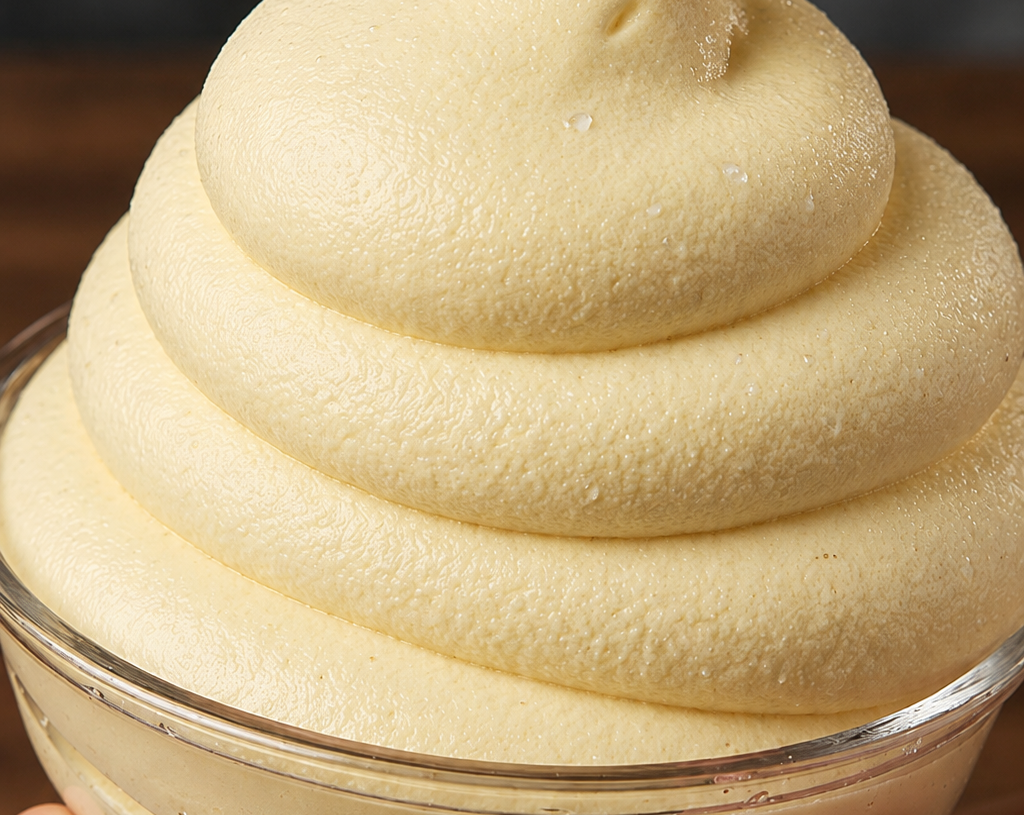
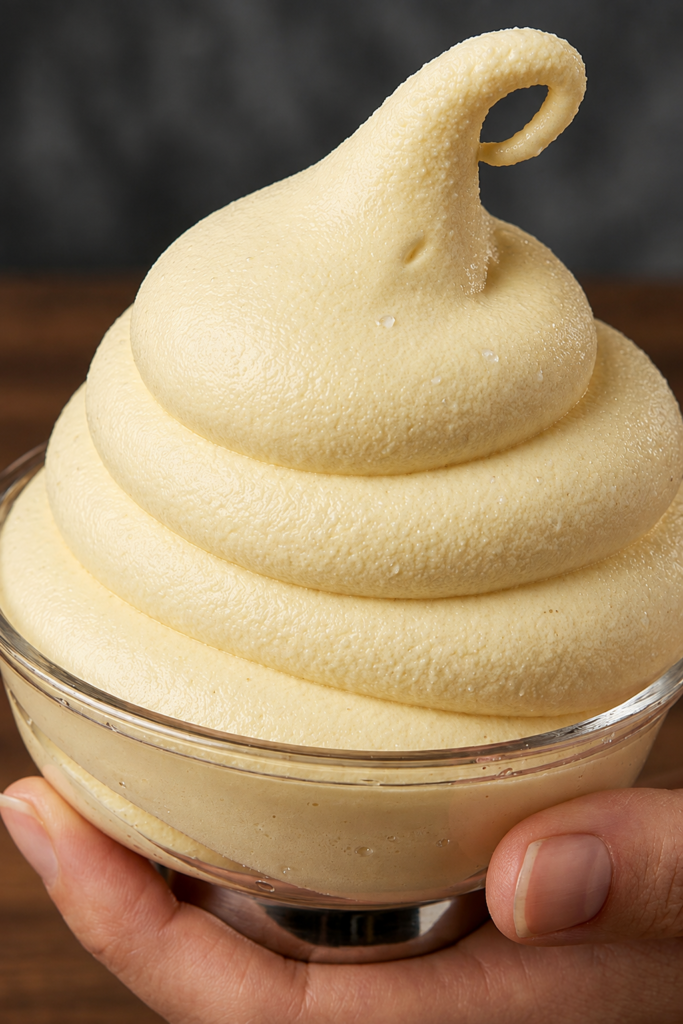
This Sugar-Free Soft Serve Ice Cream is creamy, smooth, and wonderfully indulgent without the added sugar. A combination of heavy cream, Greek yogurt, vanilla, and a low-carb sweetener creates a soft-serve texture that feels like a classic frozen treat.
With minimal net carbs and a protein boost from Greek yogurt, it’s a delicious option for those following a low-carb or high-protein lifestyle. The recipe is also easy to customize with cocoa, berries, cinnamon, or sugar-free chocolate.
Short 3-Line Description
Creamy homemade soft serve with no added sugar.
Low in net carbs and boosted with protein-rich Greek yogurt.
A refreshing dessert for low-carb and diabetes-conscious meal plans.
Can This Sugar-Free Soft Serve Ice Cream Support Weight Loss Goals?
It can fit into a weight-loss-friendly eating pattern when enjoyed in an appropriate portion. The recipe uses protein-rich Greek yogurt and avoids added sugar, which can make it more filling than many conventional ice creams.
However, heavy cream is calorie-dense, so portion size still matters. For a lighter version, use more Greek yogurt and less cream while keeping the mixture creamy enough to freeze smoothly.
Does This Recipe Fit a High-Protein Lifestyle?
Yes, especially when made with plain Greek yogurt and optional unflavored or vanilla protein powder.
The estimated net carbs can be around 1–2 g per serving, depending on the yogurt, sweetener, and protein powder used.
Greek yogurt contributes protein while keeping the texture creamy and tangy.
Protein powder can increase the protein content substantially without adding much carbohydrate.
Always check individual product labels because nutritional values vary between brands.
Why This Recipe Is Special
- Sugar-free — Uses allulose or another suitable zero-sugar sweetener instead of regular sugar.
- Very low-carb — Carefully selected ingredients keep the estimated net carbs low.
- High-protein option — Greek yogurt and protein powder can significantly increase protein.
- Ultra-creamy texture — Xanthan gum helps prevent an icy, hard consistency.
- Quick dessert — No traditional custard cooking is required.
My Personal Experience
- The texture is surprisingly soft.
The combination of Greek yogurt, cream, and xanthan gum helps create a smooth texture instead of icy crystals. - Allulose works especially well here.
It provides sweetness while helping the frozen mixture stay softer and easier to scoop. - Vanilla makes the flavor taste richer.
A little vanilla extract gives the ice cream a classic soft-serve character. - The protein powder is easy to customize.
Adding vanilla protein powder makes the dessert more filling while complementing the creamy flavor.
Perfect For
This soft serve is ideal for summer desserts, after-dinner treats, low-carb meal plans, keto-style eating plans, sugar-free dessert cravings, and high-protein snack ideas. It can also be portioned into small containers for planned desserts.
Why You’ll Love This Recipe
- Creamy without added sugar
You get a classic sweet and creamy dessert without traditional granulated sugar. - Very low in carbohydrates
Carefully chosen ingredients help keep the carbohydrate count low. - Protein-friendly
Greek yogurt and protein powder make it easier to incorporate protein into dessert. - Customizable flavor
Vanilla is delicious on its own, but cocoa, cinnamon, coffee, or berries work beautifully. - No complicated ice-cream maker required
A food processor or high-powered blender can turn the frozen mixture into a soft-serve consistency.
Common Mistakes to Avoid
- Adding too much xanthan gum — Too much can make the ice cream gummy rather than creamy.
- Using ordinary sugar — Regular sugar will significantly increase the carbohydrate content.
- Freezing the mixture for too long before processing — An extremely hard block can strain a blender or food processor.
- Skipping the sweetener adjustment — Low-sugar frozen desserts often taste less sweet when frozen, so taste the mixture before freezing.
Required Equipment
- High-speed blender or food processor — Creates a smooth, soft-serve consistency.
- Measuring spoons — Helps keep the small quantity of xanthan gum accurate.
- Freezer-safe container — Protects the mixture during storage.
- Rubber spatula — Makes it easy to scrape every bit of the creamy mixture from the blender.
- Ice cream scoop — Makes portioning simple when the mixture is slightly firmer.
Storage Instructions
For best texture: Serve immediately after processing.
Refrigerator: The prepared mixture can be kept covered in the refrigerator for up to 24 hours before freezing, although the texture may change slightly.
Freezer: Transfer leftovers to a shallow, airtight freezer-safe container and freeze for up to 1 week for best texture.
If frozen solid, let it sit at room temperature for approximately 10–15 minutes, then process briefly in a blender or food processor until creamy again.
Because the recipe contains protein-rich Greek yogurt, keep it refrigerated or frozen promptly and avoid leaving it at room temperature for extended periods.
Recipe Details
Preparation Time: 10 minutes
Chilling/Freezing Time: 2–3 hours
Processing Time: 2–3 minutes
Total Time: About 2 hours 15 minutes
Servings: 4
Best Season: All-season, especially summer
Calories: Approximately 190 calories per serving
Nutrition values are approximate estimates and depend heavily on the brands of yogurt, cream, sweetener, and protein powder used.
📝 Ingredients
Makes 4 Servings
- 1 cup (240 g) plain full-fat Greek yogurt
- 1/2 cup (120 ml) heavy whipping cream
- 2 tbsp powdered allulose or another suitable sugar-free sweetener
- 1 scoop (30 g) vanilla protein powder
- 1 tsp pure vanilla extract
- 1/8 tsp xanthan gum
- Pinch of salt
- 2 tbsp unsweetened almond milk, only if needed for blending
Ingredient Notes
- For the lowest-carb result, choose unsweetened Greek yogurt and check its nutrition label.
- Use a sugar-free protein powder with minimal added carbohydrates.
- Allulose is particularly useful because it tends to produce a softer frozen texture than some other sweeteners.
- If using a different sweetener, sweetness and texture may vary.
Directions
1. Blend the Base
Add Greek yogurt, heavy cream, allulose, protein powder, vanilla extract, salt, and xanthan gum to a high-speed blender.
Blend on low to medium speed for 30–45 seconds, then increase briefly to high.
The mixture should look completely smooth and slightly thick.
2. Check the Consistency
Taste the mixture before freezing.
If necessary, add a little more sweetener or vanilla.
If the mixture is too thick to blend smoothly, add 1 tablespoon almond milk at a time.
3. Freeze
Pour the mixture into a shallow freezer-safe container.
Cover tightly and freeze for approximately 2–3 hours.
For the best soft-serve texture, don’t freeze it completely solid.
4. Process Until Creamy
Break the partially frozen mixture into chunks and place them back into the food processor or high-speed blender.
Process for approximately 1–2 minutes, stopping to scrape down the sides as needed.
Texture cue: The finished mixture should become thick, smooth, and spoonable like soft serve.
5. Serve Immediately
Scoop into bowls or cones and serve immediately.
For an extra protein boost, add a spoonful of Greek yogurt on top or serve alongside a protein-rich snack.
Nutrition Facts
Per Serving — Approximate
| Nutrient | Amount |
|---|---|
| Calories | ~190 kcal |
| Fat | ~12 g |
| Cholesterol | ~35 mg |
| Sodium | ~100 mg |
| Potassium | ~160 mg |
| Total Carbohydrates | ~4 g |
| Fiber | ~0 g |
| Net Carbs | ~1–2 g |
| Sugars | ~2 g |
| Protein | ~13 g |
| Calcium | ~120 mg |
Important: The exact carbohydrate count depends on the Greek yogurt and protein powder. The “1g carbs” claim should be treated as an estimate rather than a guaranteed value; check the nutrition labels of your ingredients for an accurate calculation.
Notes
- Storage: Freeze leftovers in a shallow airtight container and re-process briefly before serving.
- Reheating: Do not microwave; allow the ice cream to soften at room temperature for 10–15 minutes.
- Allergy notes: Contains milk/dairy; protein powder and almond milk may introduce additional allergens.
- Nut-free option: Replace almond milk with unsweetened coconut milk or another suitable low-carb milk alternative.
- Flavor boost: Add 1–2 teaspoons unsweetened cocoa powder for chocolate soft serve.
- Berry version: Add a small amount of fresh or frozen berries, but recalculate the carbohydrate content.
- Coffee version: Add 1/2–1 teaspoon instant espresso powder for a mocha-style flavor.
- Extra creamy texture: Don’t skip the xanthan gum, but measure it carefully because a little goes a long way.
- Diabetes-friendly note: “Sugar-free” does not automatically mean carbohydrate-free or calorie-free, so portion size and the nutrition labels of individual ingredients still matter.
Frequently Asked Questions
1. Is this soft serve diabetes-friendly?
It can be a lower-carbohydrate dessert option, but individual carbohydrate needs vary, so portions and the specific ingredient labels should be considered.
2. Is this recipe actually 1g of carbs?
It can approach 1–2 g net carbs per serving with carefully selected ingredients, but the exact amount varies by brand.
3. Can I make it without protein powder?
Yes, simply omit the protein powder, although the recipe will contain less protein and may have a slightly different texture.
4. Can I use erythritol instead of allulose?
Yes, but erythritol can produce a firmer or slightly icier texture, so allulose is generally preferable for soft serve.
5. How can I make it even higher in protein?
Use a higher-protein Greek yogurt and a low-carb protein powder with a good protein-to-calorie ratio.
6. Why did my ice cream become hard?
Freezing for too long, using too little sweetener, or omitting the texture stabilizer can make homemade low-sugar ice cream much harder than traditional soft serve.