
Description
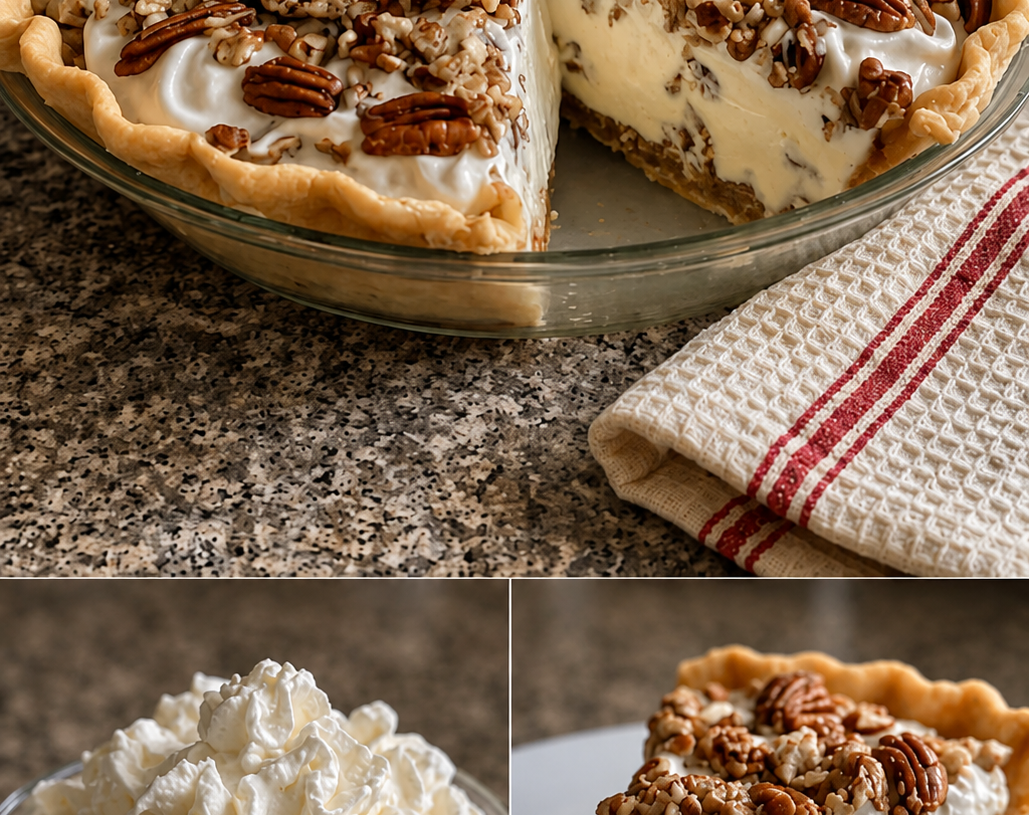
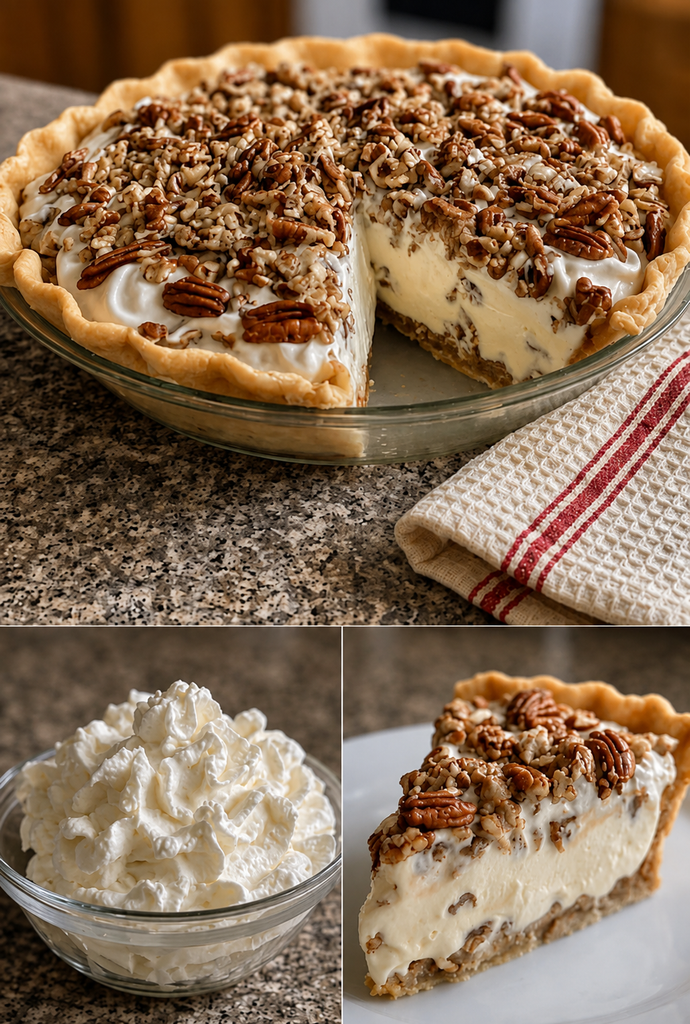
This Pecan Pie Cheesecake combines the rich, buttery flavor of pecan pie with the smooth, creamy texture of cheesecake. A crunchy almond-flour and pecan crust supports a velvety cheesecake layer finished with toasted pecans and a naturally warm vanilla-cinnamon flavor.
Made with cream cheese, Greek yogurt, eggs, and pecans, this dessert offers a satisfying balance of protein, healthy fats, and lower carbohydrates. Using a sugar-free sweetener instead of traditional sugar makes it a more diabetic-friendly dessert option, while portion size still matters.
Can This Pecan Pie Cheesecake Support Weight Loss Goals?
It can fit into a balanced weight-management eating pattern when enjoyed in a controlled portion. The Greek yogurt, cream cheese, and eggs provide protein that can make a small serving more satisfying, while almond flour keeps the crust lower in carbohydrates than a traditional flour crust. Pecans contribute satisfying fats and texture, but they are calorie-dense, so moderation is important. No single dessert causes weight loss; overall calorie intake and eating habits are what matter most.
Does Pecan Pie Cheesecake Fit a High-Protein Lifestyle?
This cheesecake can fit a high-protein lifestyle better than many traditional pecan desserts because it uses Greek yogurt, cream cheese, and eggs for protein. Almond flour and pecans provide richness while keeping the crust relatively low in carbohydrates. Each serving contains approximately 7–8 grams of net carbs, depending on the brands and sweetener used. For an even higher-protein dessert, use a plain or vanilla protein-enriched Greek yogurt.
Why This Recipe is Special
- Lower-carb dessert: Almond flour replaces traditional wheat flour in the crust.
- Protein-friendly: Greek yogurt, cream cheese, and eggs contribute protein.
- Pecan-pie flavor: Toasted pecans, vanilla, cinnamon, and buttery notes create classic pecan-pie character.
- Creamy and crunchy: The smooth cheesecake filling contrasts beautifully with the nutty topping.
- No regular added sugar: A suitable sugar-free sweetener keeps the recipe lower in added sugar.
My Personal Experience
- The creamy filling is my favorite part:
The combination of softened cream cheese and Greek yogurt creates a smooth, rich texture.
It feels indulgent without requiring a heavy traditional cheesecake filling. - Toasted pecans make a huge difference:
Lightly toasting the pecans brings out their buttery aroma and deeper nutty flavor.
They add the perfect crunchy contrast to the soft cheesecake. - The cinnamon gives it a pecan-pie feel:
A small amount of cinnamon adds warmth without overpowering the vanilla cheesecake.
It makes every bite taste especially cozy and dessert-like. - It slices beautifully when chilled:
Allowing the cheesecake to fully set gives the filling a firm but creamy consistency.
This also makes it much easier to create clean slices.
Perfect For
This Pecan Pie Cheesecake is perfect for holiday dinners, Thanksgiving-style gatherings, family celebrations, weekend desserts, afternoon coffee, meal-prep treats, and lower-carb dessert menus. It is especially appealing when you want the flavors of pecan pie and cheesecake in one dessert.
Why You’ll Love This Recipe
- Two classic desserts in one:
It combines the creamy richness of cheesecake with the toasted-nut flavor of pecan pie.
Every slice delivers both textures and flavors. - Lower-carb crust:
Almond flour creates a buttery, nutty base without traditional wheat flour.
It pairs naturally with the pecan topping. - Protein-friendly:
Greek yogurt and eggs add protein to the creamy filling.
This makes the dessert more substantial than many traditional pies. - Beautiful for entertaining:
The golden pecan topping makes each slice look elegant and festive.
It is an excellent centerpiece dessert for special occasions. - Make-ahead friendly:
The cheesecake needs chilling time, so it can be prepared in advance.
This makes dessert planning much easier for gatherings.
Common Mistakes to Avoid
- Using cold cream cheese — cold cream cheese can create lumps and prevent a silky filling.
- Overmixing after adding the eggs — excessive mixing can incorporate too much air and affect the cheesecake texture.
- Burning the pecans — pecans toast quickly, so watch them closely during cooking.
- Slicing before chilling completely — the filling needs sufficient time to firm up for clean slices.
Required Equipment
- 9-inch springform pan — makes releasing the chilled cheesecake much easier.
- Electric mixer — creates a smooth, lump-free cheesecake filling.
- Mixing bowls — keeps the crust, filling, and pecan topping organized.
- Rubber spatula — scrapes the bowl clean and helps spread the filling evenly.
- Small skillet — allows the pecans to toast evenly.
- Parchment paper — helps prevent the crust from sticking to the pan.
Storage Instructions
Store leftover cheesecake in an airtight cake container or tightly covered springform pan in the refrigerator for up to 4–5 days. Keep it chilled until serving because the creamy filling contains dairy and eggs.
For freezing, cut the cheesecake into individual slices and wrap each piece tightly in plastic wrap, followed by foil or a freezer-safe container. Freeze for up to 1 month for the best texture.
Thaw individual slices overnight in the refrigerator. Avoid repeatedly freezing and thawing the entire cheesecake because this can affect the creamy texture and make the pecan topping softer.
Recipe Details
Preparation Time: 25 minutes
Cooking Time: 35–40 minutes
Chilling Time: 4–6 hours
Total Time: About 5 hours 15 minutes
Servings: 10 slices
Best Season: Fall and winter, but suitable year-round
Total Calories: Approximately 275 calories per serving
Short 3-Line Description
Creamy cheesecake meets buttery toasted pecans in this delicious low-carb dessert.
Greek yogurt and eggs add protein while almond flour creates a nutty crust.
A beautiful sugar-free treat for holidays, celebrations, or everyday dessert cravings.
📝 Ingredients
Almond-Pecan Crust
- 1 cup (96 g) finely ground almond flour
- ½ cup (55 g) finely chopped pecans
- 2 tbsp (28 g) unsalted butter, melted
- 2 tbsp granulated monk-fruit/erythritol sweetener
- ½ tsp ground cinnamon
- ⅛ tsp salt
Cheesecake Filling
- 16 oz (454 g) reduced-fat cream cheese, softened
- 1 cup (240 g) plain Greek yogurt, unsweetened
- 2 large eggs, room temperature
- ½ cup granulated monk-fruit/erythritol sweetener
- 2 tsp vanilla extract
- ½ tsp ground cinnamon
- ¼ tsp salt
- 1 tbsp lemon juice
Pecan Topping
- ½ cup (55 g) pecan halves, roughly chopped
- 1 tbsp unsalted butter
- 2 tbsp sugar-free maple-flavored syrup
- ½ tsp vanilla extract
- ¼ tsp cinnamon
- Pinch of salt
Ingredient note: Use unsweetened Greek yogurt and a sugar-free syrup without added sugar. Different sugar substitutes have different sweetness levels, so adjust according to the product used.
Directions
- Preheat the oven.
Heat the oven to 325°F (165°C). Line the bottom of a 9-inch springform pan with parchment paper and lightly grease the sides. - Prepare the crust.
In a bowl, combine almond flour, chopped pecans, sweetener, cinnamon, and salt. Stir in the melted butter until the mixture resembles moist crumbs. - Press the crust.
Firmly press the mixture into the bottom of the pan using the back of a measuring cup. Bake at 325°F for 8–10 minutes.
The crust should smell nutty and appear lightly golden. - Cool the crust.
Remove from the oven and let it cool for about 10 minutes while preparing the filling. - Make the cheesecake filling.
Beat softened cream cheese on low-medium speed for 1–2 minutes until smooth. Add the Greek yogurt, sweetener, vanilla, cinnamon, salt, and lemon juice. - Add the eggs carefully.
Add the eggs one at a time, mixing on low speed just until incorporated. Do not overbeat.
The finished batter should be smooth and creamy rather than heavily aerated. - Fill the pan.
Pour the cheesecake mixture over the cooled crust. Smooth the surface with a rubber spatula. - Bake gently.
Bake at 325°F (165°C) for 30–35 minutes. The edges should look set while the center should still have a slight gentle wobble. - Cool gradually.
Turn off the oven, crack the oven door open, and allow the cheesecake to sit inside for 10 minutes. Then transfer it to a cooling rack. - Prepare the pecan topping.
While the cheesecake cools, place the butter in a small skillet over medium-low heat. Add the pecans and toast for 3–4 minutes, stirring frequently. - Finish the topping.
Reduce the heat to low and stir in the sugar-free maple syrup, vanilla, cinnamon, and salt. Cook for 1–2 minutes, just until the pecans are glossy and fragrant.
Do not overcook because pecans can burn quickly. - Add the pecans.
Once the cheesecake has cooled for about 20–30 minutes, gently distribute the pecan mixture over the top. - Chill completely.
Cover the cheesecake and refrigerate for at least 4–6 hours, preferably overnight. The center should feel firm when gently touched. - Slice and serve.
Run a thin knife around the edge before releasing the springform pan. Cut into 10 portions and serve chilled.
High-protein cooking tip: Use thick, unsweetened Greek yogurt and avoid overmixing the eggs. A smooth, dense filling provides a better texture while retaining the protein contribution from the dairy and eggs.
Nutrition Facts
Per Serving – Approximate
- Calories: ~275 kcal
- Fat: ~21 g
- Cholesterol: ~70 mg
- Sodium: ~230 mg
- Potassium: ~170 mg
- Total Carbohydrates: ~10 g
- Fiber: ~3 g
- Net Carbs: ~7 g
- Sugars: ~2 g
- Protein: ~9 g
- Calcium: ~110 mg
Nutrition values are approximate and may vary depending on the cream cheese, Greek yogurt, sweetener, syrup, almond flour, and pecan brands used.
Notes
- Storage: Refrigerate covered for 4–5 days or freeze individual slices for up to 1 month.
- Reheating: No reheating is necessary; this cheesecake is best served chilled.
- Allergy note: Contains milk, eggs, and tree nuts (almonds and pecans).
- Flavor boost: Add a small amount of orange zest or extra cinnamon to the filling for a warmer seasonal flavor.
- Pecan topping: Toast the pecans gently because they can go from golden to burnt quickly.
- Diabetic-friendly note: This recipe uses a sugar-free sweetener and is relatively low in carbohydrates, but it should not be assumed suitable for everyone with diabetes; individual portions and dietary needs vary.
Frequently Asked Questions
1. Is Pecan Pie Cheesecake diabetic-friendly?
This version is lower in carbohydrates and contains no regular added sugar, but individual dietary needs and blood-glucose responses vary.
2. Is this Pecan Pie Cheesecake high in protein?
It is protein-friendly, providing approximately 9 grams of protein per serving from Greek yogurt, cream cheese, and eggs.
3. Can I make this cheesecake without almond flour?
Yes, but changing the crust ingredients will alter its texture, flavor, and nutritional values.
4. Why does my cheesecake crack?
Overmixing, excessive oven temperature, or overbaking can cause the cheesecake surface to crack.
5. Can I make this cheesecake ahead of time?
Yes, making it the day before serving is ideal because the extended chilling time improves the texture.
6. Can I use regular sugar instead of a sugar-free sweetener?
Yes, but doing so will substantially increase the added sugar and carbohydrate content of the recipe.