

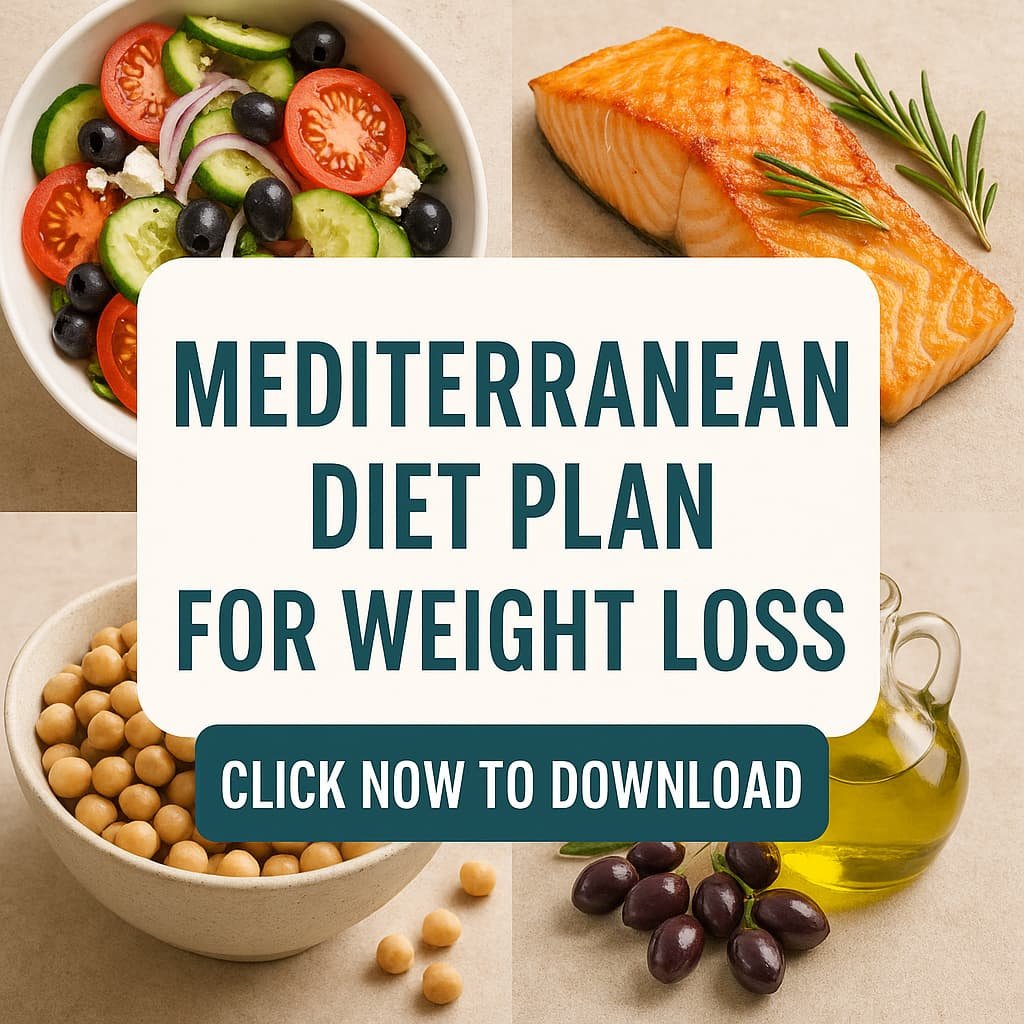
🌿 30-Day Mediterranean Diet Meal Plan (With Tips & Tricks)
The Mediterranean Diet is not a short-term “diet,” but a sustainable lifestyle focused on whole, plant-based foods, healthy fats, and balanced eating patterns. Instead of counting calories or following strict rules, this approach encourages you to nourish your body with vegetables, fruits, whole grains, legumes, olive oil, fish, and lean proteins.
Following a structured 30-day Mediterranean meal plan helps your body adjust naturally. Over time, you may notice better energy, improved digestion, healthier weight management, lower inflammation, and stronger heart and brain health.
This plan is simple, flexible, and realistic for everyday life.
✅ How to Use This 30-Day Plan
- Fill half your plate with vegetables.
- Use olive oil as your main fat.
- Eat fish 2–3 times per week.
- Enjoy whole grains daily.
- Limit red meat and sweets.
- Drink water and herbal tea instead of sugary drinks.
Think progress, not perfection.
🗓 30-Day Mediterranean Diet Meal Plan
Each week builds variety while keeping meals easy and satisfying.
🥗 WEEK 1 – Reset & Balance
Breakfast Options
- Greek yogurt with berries and walnuts
- Whole-grain toast with avocado and tomato
- Steel-cut oats with apple and flaxseed
Lunch Options
- Quinoa salad with chickpeas and roasted vegetables
- Whole-grain wrap with hummus and greens
- Lentil soup with side salad
Dinner Options
- Baked salmon with cucumber-tomato salad
- Grilled chicken with sautéed spinach and white beans
- Vegetable stir-fry in olive oil with brown rice
Snacks
- Fruit with almonds
- Veggies with hummus
- Greek yogurt with cinnamon
✔ Tip: Focus on hydration and eating slowly this week.
🥗 WEEK 2 – Build Flavor
Breakfast
- Vegetable omelet with olive oil
- Yogurt with figs and seeds
- Oats with banana and walnuts
Lunch
- Bulgur tabbouleh with lemon and herbs
- Tuna salad over greens
- Farro bowl with roasted vegetables
Dinner
- Shrimp with garlic and zucchini
- Stuffed peppers with quinoa
- Grilled chicken with tomato-olive salad
Snacks
- Handful of nuts
- Fresh fruit
- Whole-grain crackers with yogurt dip
✔ Tip: Add herbs and spices instead of salt.
🥗 WEEK 3 – Heart-Healthy Focus
Breakfast
- Smoothie with spinach, yogurt, and berries
- Whole-grain toast with avocado
- Yogurt with honey and seeds
Lunch
- Chickpea salad with cucumber and tomato
- Lentil-vegetable soup
- Grilled veggie sandwich on whole grain
Dinner
- Baked cod with lemon and greens
- Salmon with roasted vegetables
- Chicken with cannellini beans
Snacks
- Olives and nuts
- Fruit
- Hummus with carrots
✔ Tip: Eat fish at least twice this week.
🥗 WEEK 4 – Lifestyle & Consistency
Breakfast
- Oats with berries and flax
- Veggie omelet
- Yogurt parfait
Lunch
- Mediterranean grain bowl
- Hummus wrap with vegetables
- Quinoa salad with feta
Dinner
- Shrimp with olive oil and herbs
- Roasted vegetable pizza on whole-grain crust
- Grilled chicken with spinach salad
Snacks
- Nuts
- Fruit
- Yogurt
✔ Tip: Share meals and enjoy them mindfully.
🍽 Simple Daily Structure
Each day aim for:
- Breakfast: Protein + fruit + whole grain
- Lunch: Vegetables + legumes/grains
- Dinner: Fish or poultry + veggies + olive oil
- Snacks: Fruit, nuts, yogurt, hummus
This balance keeps blood sugar stable and hunger controlled.
🧠 Tips & Tricks for Mediterranean Success
✅ Cook mostly with olive oil.
✅ Keep frozen vegetables for busy days.
✅ Use herbs instead of heavy sauces.
✅ Eat slowly and stop when satisfied.
✅ Prepare grains and beans in advance.
✅ Add color to every plate.
✅ Choose fish more often than red meat.
✅ Snack smart, not sugary.
🚫 Foods to Limit
- Sugary drinks
- White bread and refined grains
- Processed meats
- Fried foods
- Packaged snacks
- Heavy desserts
The Mediterranean Diet is flexible, but consistency matters.
🏛 Mediterranean Pyramid Guide
- Daily: Vegetables, fruits, whole grains, legumes, olive oil, nuts
- Weekly: Fish, poultry, eggs, dairy
- Occasional: Red meat and sweets
Lifestyle also includes movement, social meals, and stress reduction.
🌟 What Happens After 30 Days
After a month, many people notice:
- Improved digestion
- Better energy
- Healthier weight balance
- Reduced cravings
- Better cholesterol and blood sugar control
Small daily choices build long-term success.
The Mediterranean Diet emphasizes whole, plant-based foods and healthy fats, focusing on overall eating patterns rather than strict rules. It encourages:
- A generous amount of whole grains like brown rice and whole-wheat bread.
This simple yet powerful way of eating is linked to a significantly lower risk of coronary artery disease (CAD) and has become a gold standard for promoting heart health, managing weight, and reducing inflammation.
The Benefits of the Mediterranean Diet
The Mediterranean Diet shines because it supports your health on many fronts, including:
Lowering the risk of cardiovascular disease (heart attack, stroke).
- Helping maintain a healthy weight.
- Promoting healthy blood sugar, blood pressure, and cholesterol levels.
- Reducing the risk of metabolic syndrome Improving gut health by encouraging a healthy balance of gut bacteria.
- Decreasing cancer risk thanks to antioxidant-rich foods.
- Supporting brain health and slowing age-related cognitive decline.
- Promoting longer life.
Its secret lies in what it limits (saturated fat, trans fat, refined carbs, and excess sodium) and what it encourages (unsaturated fats, fiber, antioxidants, and nutrient-dense foods).
Think of it like a choir: no single food or nutrient stands alone. Together, the foods in the Mediterranean Diet harmonize to create an environment where your body can truly thrive.
Mediterranean Diet Food List
Here’s a snapshot of what to load up on:
- Vegetables: Tomatoes, spinach, cucumbers, artichokes, zucchini.
- Fruits: Berries, oranges, figs, melons, grapes.
- Whole grains: Quinoa, brown rice, barley, farro.
- Nuts and seeds: Walnuts, almonds, sunflower seeds, flaxseeds.
- Legumes: Chickpeas, lentils, black beans, white beans.
- Healthy fats: Extra virgin olive oil, avocados.
- Fish: Salmon, sardines, tuna, mackerel.
- Poultry: Skinless chicken, turkey.
- Dairy: Natural cheese, plain Greek yogurt.
- Eggs: In moderation.
- Herbs and spices: Basil, oregano, rosemary, cumin.
Mediterranean Diet: Serving Goals
Here’s a simple guide to how much of each food group to aim for:
Breakfast
- Greek yogurt with berries and walnuts
- Steel-cut oats with fruit and flaxseed
- Vegetable omelet (mostly egg whites)
Lunch Quinoa salad with roasted vegetables
- Whole-grain wrap with hummus and veggies
- Bulgur tabbouleh with lemon and herbs
Dinner
- Baked salmon with a cucumber and tomato salad
- Grilled chicken over sautéed greens and cannellini beans
- Roasted veggie pizza on whole-grain crust
Snacks
- Handful of nuts and seeds
- Fresh seasonal fruit
- Veggies with hummus
- Whole-grain crackers with Greek yogurt dip
Foods to Limit
While the Mediterranean Diet is flexible, it’s best to avoid or greatly limit:
- Sugary drinks (soda, sweetened juices)
- Processed meats (bacon, sausage)
- Highly processed foods (packaged snacks, fast food)
- Refined grains (white bread, white rice)
- Foods high in saturated fat and sodium
- Commercially baked sweets and desserts
The Mediterranean Diet Pyramid
The Mediterranean Diet Pyramid is a visual guide that shows how often to eat different foods:
- Base: Vegetables, fruits, whole grains, legumes, nuts, seeds, olive oil (daily)
- Middle: Fish, poultry, dairy (weekly)
- Top: Red meat and sweets (rarely)
It’s not just about food, though. The Mediterranean lifestyle also values physical activity , sharing meals with family and friends , and enjoying life at a slower paceFinal Thoughts
The Mediterranean Diet isn’t just a trend — it’s a time-tested approach to eating that supports your heart, mind, and body. By focusing on fresh, colorful foods and enjoying meals in a balanced, thoughtful way, you’re investing in your health for the long term.
Ready to give it a try? Start small: drizzle a little extra virgin olive oil over your next salad, swap white bread for whole grain, or plan a fish dinner this week. Over time, these little changes add up to big results!