
Description
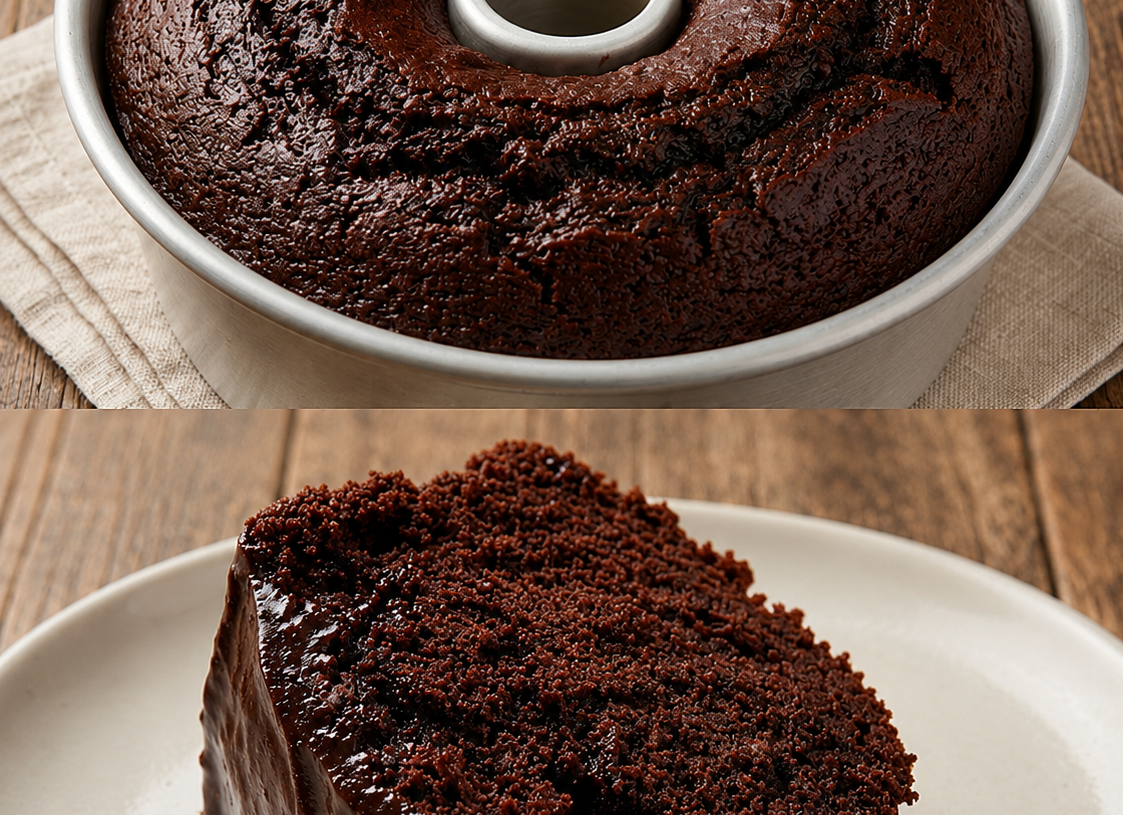
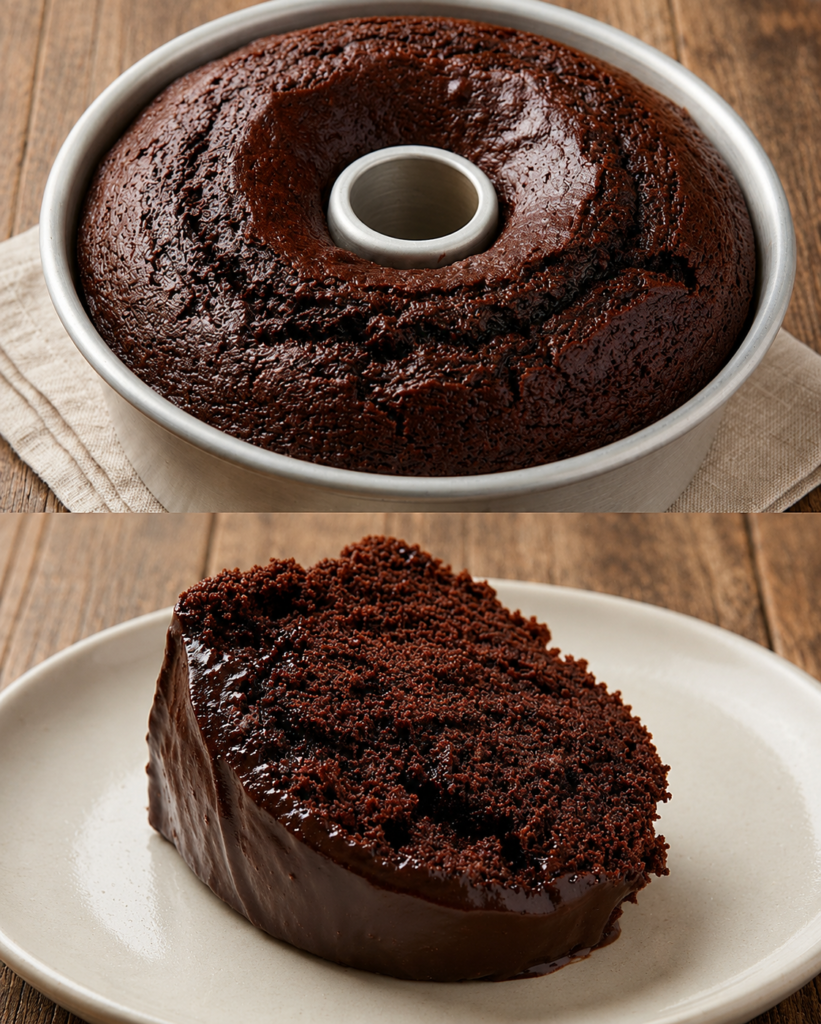
This Classic Chocolate Fudge Cake delivers everything you want from a chocolate dessert: deep cocoa flavor, a soft and tender crumb, and a glossy, fudgy chocolate finish. Greek yogurt adds moisture while protein powder helps make this a more protein-friendly treat without sacrificing that classic chocolate-cake texture.
It is a great option when you want a satisfying dessert with more protein and fewer traditional carbohydrates than a standard chocolate cake. The combination of cocoa, almond flour, Greek yogurt, and chocolate creates a rich dessert that feels indulgent while fitting more easily into a high-protein, lower-carb lifestyle.
Whether served with coffee, enjoyed as an afternoon snack, or made for a family gathering, this chocolate fudge cake is comforting, rich, and incredibly satisfying.
Can This Classic Chocolate Fudge Cake Support Weight Loss Goals?
It can fit into a balanced weight-management eating pattern when enjoyed in an appropriate portion. This version uses Greek yogurt and whey protein to increase protein, while almond flour and a reduced-sugar sweetener help lower the carbohydrate load compared with many traditional chocolate cakes.
Protein can contribute to fullness and makes this dessert more substantial than a typical sugary cake. However, overall portions, total daily food intake, and your individual nutritional needs matter more than any single recipe.
Does Classic Chocolate Fudge Cake Fit a High-Protein Lifestyle?
Yes, this version is designed to be more protein-friendly than traditional chocolate cake. Greek yogurt, eggs, almond flour, and whey protein provide the main protein sources. Each serving contains approximately 18 grams of protein when divided into 10 portions. The recipe contains approximately 15 grams of net carbs per serving, although exact values depend on the brands of protein powder, chocolate chips, yogurt, and sweetener used. It is best described as lower-carb and high-protein-friendly rather than strictly keto.
Why This Recipe Is Special
- 🍫 Deep chocolate flavor — Unsweetened cocoa gives the cake an intense chocolate taste without relying entirely on sugar.
- 💪 Protein-friendly — Greek yogurt, eggs, almond flour, and whey protein increase the protein content.
- 🥜 Lower-carb option — Almond flour and a sugar-free sweetener reduce the traditional flour-and-sugar load.
- 🍰 Moist and fudgy — Greek yogurt helps create a soft crumb instead of a dry protein cake.
- ☕ Everyday-friendly dessert — It works beautifully as an afternoon treat, after-dinner dessert, or special-occasion cake.
My Personal Experience
- The texture is the biggest surprise.
The Greek yogurt keeps the crumb wonderfully moist and soft.
It tastes much more like a traditional chocolate cake than a typical protein dessert. - The chocolate flavor becomes richer after cooling.
I find that allowing the cake to cool completely gives the cocoa flavor more time to develop.
The fudgy glaze also becomes thicker and more luxurious as it sits. - The protein powder works best when mixed gently.
Overmixing can make protein cakes dense, so I mix only until the dry ingredients disappear.
This helps maintain a lighter, more tender texture. - A thin chocolate glaze makes a big difference.
The cake is already rich, but the glossy topping adds another layer of chocolate flavor.
It also makes the cake look much more like a classic bakery-style dessert.
Perfect For
This cake is perfect for weeknight desserts, weekend baking, afternoon coffee, family gatherings, birthday-style celebrations, meal-prepped sweet treats, and high-protein snack plans. Slice the cooled cake into individual portions and store them separately for an easy grab-and-go dessert.
It is especially useful when you’re craving chocolate but want something more substantial than a conventional sugar-heavy cake.
Why You’ll Love This Recipe
- Rich chocolate taste
Cocoa powder and sugar-free chocolate create an intensely chocolaty dessert.
Every bite has a satisfying fudge-like flavor. - Soft, moist crumb
Greek yogurt helps prevent the cake from becoming dry.
Even after refrigeration, the cake remains tender. - Protein-packed ingredients
Whey protein, Greek yogurt, eggs, and almond flour contribute meaningful protein.
This makes the dessert more filling than an ordinary cake. - Lower in traditional sugar
A granulated sugar substitute keeps the sweetness high without using a large amount of regular sugar.
Choose a sweetener that measures like sugar for the easiest results. - Beautiful enough for guests
The Bundt shape gives the cake an impressive presentation.
A simple chocolate glaze makes it look elegant without complicated decorating.
Common Mistakes to Avoid
- Overmixing the batter — Mix only until the ingredients are combined; excessive mixing can make the cake dense.
- Using cold yogurt and eggs — Room-temperature ingredients blend more evenly and help produce a smoother batter.
- Overbaking the cake — Remove it when a toothpick comes out with a few moist crumbs rather than completely dry.
- Removing it from the pan too early — Let the cake cool sufficiently before turning it out so it doesn’t break apart.
Required Equipment
- 10- to 12-cup Bundt pan — Creates the classic ring shape and helps the cake bake evenly.
- Large mixing bowl — Provides enough room to combine the batter without spilling.
- Whisk — Smoothly incorporates the dry ingredients.
- Rubber spatula — Helps fold the wet and dry ingredients together gently.
- Measuring cups and spoons — Keeps the ingredient ratios consistent.
- Cooling rack — Allows air to circulate around the cake for even cooling.
- Small microwave-safe bowl — Makes preparing the quick chocolate glaze easy.
Storage Instructions
Refrigerator: Once completely cooled, place the cake in an airtight container or tightly cover individual slices. Refrigerate for up to 5 days. Keeping the slices individually wrapped makes portion control and meal prep easier.
Freezer: Slice the cake before freezing and wrap each portion tightly in plastic wrap followed by a freezer-safe bag or container. Freeze for up to 2 months for best quality.
To thaw: Place a frozen slice in the refrigerator overnight or leave it at room temperature for approximately 30–60 minutes.
Because the cake contains Greek yogurt and other protein-rich ingredients, keep leftovers properly chilled and avoid leaving them at room temperature for extended periods.
Recipe Details
Preparation Time: 15 minutes
Cooking Time: 40–48 minutes
Cooling Time: 30 minutes
Total Time: About 1 hour 25 minutes
Servings: 10
Best Season: All-season
Total Calories: Approximately 267 calories per serving
Nutrition is an approximate estimate and will vary according to the specific brands of protein powder, yogurt, chocolate chips, almond flour, and sweetener used.
Short 3-Line Description
A rich and moist chocolate fudge cake made with cocoa, Greek yogurt, almond flour, and whey protein.
It has a tender crumb, deep chocolate flavor, and a silky sugar-free chocolate glaze.
A delicious high-protein, lower-carb-friendly dessert for chocolate lovers.
📝 Ingredients
For the Chocolate Cake
- 1 cup all-purpose flour
- 1 cup finely blanched almond flour
- ¾ cup unsweetened cocoa powder
- ¾ cup chocolate whey protein powder
- ½ cup granulated erythritol or monk-fruit sweetener, preferably one that measures like sugar
- 2 teaspoons baking powder
- ½ teaspoon baking soda
- ½ teaspoon salt
- 1 cup plain Greek yogurt, preferably 2% or nonfat
- 2 large eggs, room temperature
- ½ cup unsweetened milk or low-fat milk
- ¼ cup neutral-flavored oil, such as avocado or canola oil
- 2 teaspoons vanilla extract
For the Chocolate Glaze
- ½ cup plain Greek yogurt
- 2 tablespoons unsweetened cocoa powder
- ¼ cup sugar-free chocolate chips
- 1–2 tablespoons unsweetened milk, as needed
- 1–2 tablespoons powdered erythritol, optional for extra sweetness
- ½ teaspoon vanilla extract
Ingredient note: For the best texture, use a whey protein powder that you already know bakes well. Different protein powders absorb liquid differently, so you may need an extra tablespoon of milk if the batter becomes unusually thick.
Directions
1. Prepare the Oven and Pan
Preheat your oven to 350°F (175°C).
Generously grease a 10- to 12-cup Bundt pan, making sure to coat the center tube and all the grooves. Dust lightly with cocoa powder instead of flour for an attractive chocolate exterior.
2. Combine the Dry Ingredients
In a large bowl, whisk together the all-purpose flour, almond flour, cocoa powder, whey protein powder, sweetener, baking powder, baking soda, and salt.
Whisk for about 30–45 seconds to distribute the protein powder and leavening agents evenly.
3. Mix the Wet Ingredients
In another bowl, whisk together the Greek yogurt, eggs, milk, oil, and vanilla.
The mixture should look smooth and creamy with no large streaks of yogurt.
4. Combine Wet and Dry Ingredients
Slowly add the wet mixture to the dry ingredients.
Using a rubber spatula, gently mix just until no obvious dry flour remains.
High-protein cooking tip: Don’t beat the batter aggressively. Protein powder can make baked goods tougher when overmixed.
5. Check the Batter
The finished batter should be thick, smooth, and spoonable, but not stiff like cookie dough.
If your protein powder has absorbed a lot of moisture, add 1 tablespoon of milk at a time, mixing gently until the desired consistency is reached.
6. Fill the Bundt Pan
Transfer the batter into the prepared Bundt pan.
Smooth the top with a spatula and gently tap the pan against the counter once or twice to remove large air pockets.
7. Bake
Place the pan on the center rack and bake at 350°F (175°C) for approximately 40–48 minutes.
Start checking around the 38-minute mark because oven temperatures and Bundt pans vary.
The cake is ready when the top looks set and a toothpick inserted into the thickest part comes out with a few moist crumbs but no wet batter.
8. Cool
Remove the cake from the oven and allow it to rest in the pan for approximately 10–15 minutes.
Carefully invert it onto a cooling rack.
Allow it to cool completely before adding the glaze. A warm cake can cause the yogurt-based glaze to become too runny.
9. Prepare the Chocolate Glaze
Place the sugar-free chocolate chips in a microwave-safe bowl.
Heat in 15–20-second intervals, stirring after each interval until smooth.
Add the Greek yogurt, cocoa powder, vanilla, and powdered sweetener.
Whisk until glossy and smooth.
If the glaze is too thick, add 1 teaspoon of milk at a time until it reaches a pourable consistency.
10. Glaze the Cake
Once the cake has cooled completely, spoon or drizzle the chocolate glaze over the top.
Let the glaze sit for 10–15 minutes before slicing so it can slightly thicken and cling to the cake.
11. Slice and Serve
Cut the cake into 10 even slices.
Serve at room temperature with coffee, unsweetened tea, fresh berries, or a small spoonful of Greek yogurt.
Nutrition Facts
Per Serving – Approximate
Based on 10 servings:
- Calories: 267 kcal
- Total Fat: 15.0 g
- Saturated Fat: 3.0 g
- Cholesterol: 39 mg
- Sodium: 220 mg
- Potassium: 310 mg
- Total Carbohydrates: 18 g
- Fiber: 3 g
- Net Carbs: 15 g
- Sugars: 3 g
- Protein: 18 g
- Calcium: 125 mg
Values are estimates. Actual nutrition will vary substantially depending on the protein powder, yogurt, chocolate chips, milk, almond flour, and sweetener used.
Notes
- For an even richer chocolate flavor: Add ½ teaspoon of espresso powder to the dry ingredients.
- For a stronger fudge flavor: Use Dutch-process cocoa if your baking powder/soda combination is compatible with it.
- For extra sweetness: Increase the powdered sweetener in the glaze rather than adding more liquid sweetener to the cake batter.
- For dairy-free: Use dairy-free Greek-style yogurt and a suitable plant-based protein powder, noting that the texture may change.
- Allergy note: This recipe contains eggs, dairy, almonds, and gluten from the all-purpose flour and may contain ingredients processed around other allergens.
- Reheating: Warm an individual slice in the microwave for approximately 8–12 seconds for a softer, freshly baked texture.
- Do not overheat: Excessive microwaving can make the protein-rich cake rubbery.
- Best flavor: Allow refrigerated slices to sit at room temperature for about 10–15 minutes before serving.
- Flavor boost: A tiny pinch of espresso powder intensifies chocolate flavor without making the cake taste like coffee.
Frequently Asked Questions
1. Is this Classic Chocolate Fudge Cake high in protein?
Yes, each serving provides approximately 18 grams of protein, primarily from whey protein, Greek yogurt, eggs, and almond flour.
2. Is this cake keto-friendly?
It is lower in carbohydrates than many traditional chocolate cakes, but with approximately 15 grams of net carbs per serving, it may not fit stricter keto plans.
3. Can I use a different protein powder?
Yes, but the amount of liquid may need adjustment because different protein powders absorb moisture differently.
4. Can I make this cake without almond flour?
You can substitute additional flour, but the texture and nutritional profile will change, and the cake will generally contain more carbohydrates.
5. Why did my protein cake turn out dry?
The most common causes are overbaking, using too much protein powder, or overmixing the batter.
6. Can I freeze this chocolate cake?
Yes, individual slices can be wrapped well and frozen for up to 2 months, then thawed before serving.