
Description
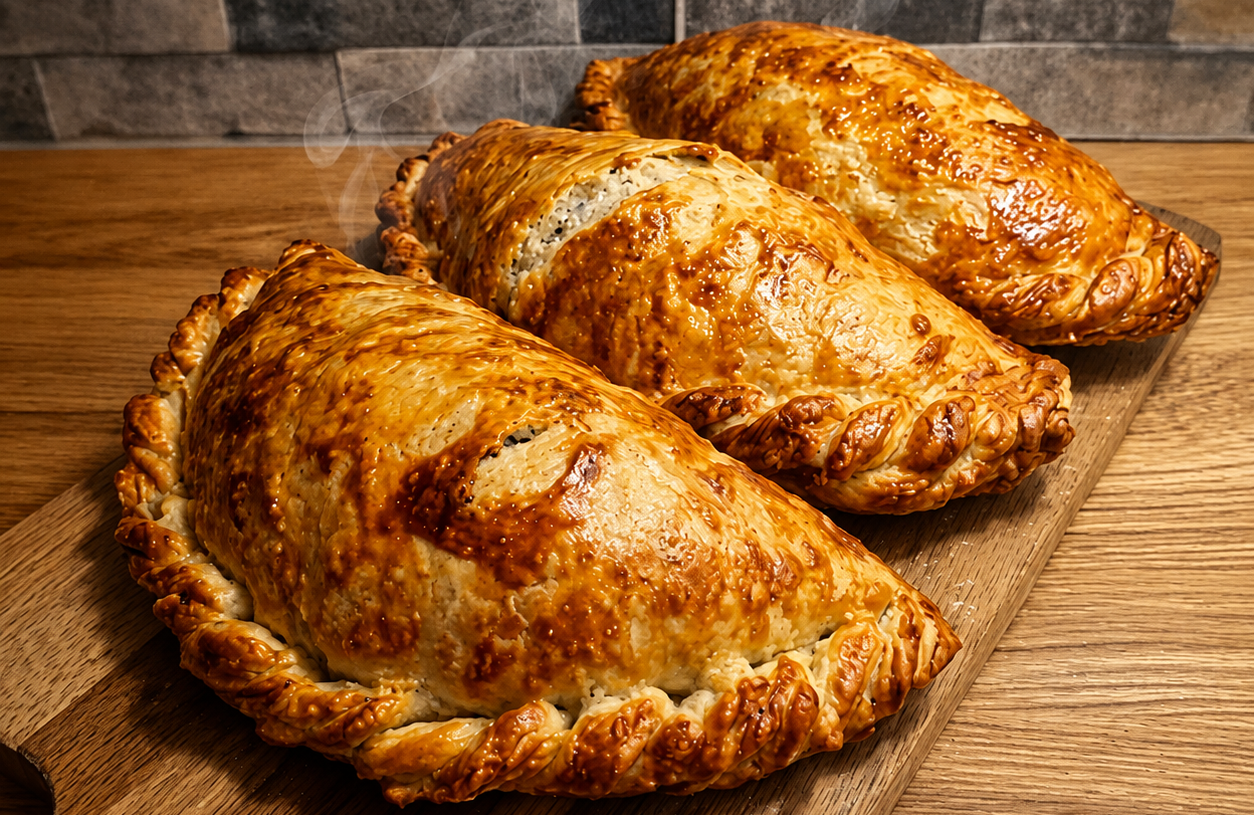
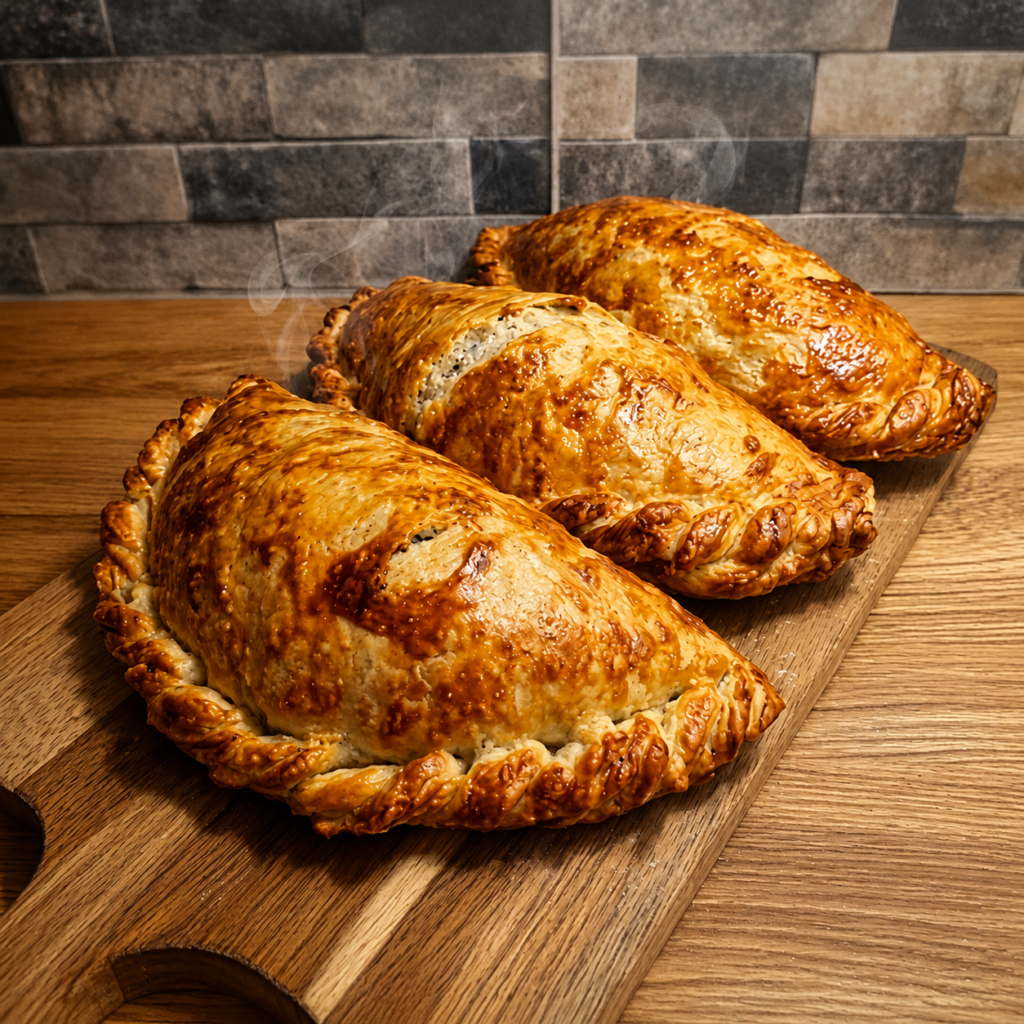
These Diabetes-Friendly Cornish Pasties feature a savory filling of seasoned lean beef, tender rutabaga, carrots, and onion wrapped in a golden, crisp low-carb pastry. The filling is hearty and comforting, while the almond-flour crust gives each pasty a satisfying bite.
With plenty of protein from lean beef and fewer carbohydrates than a traditional pasty, this version works well for a high-protein, lower-carb lifestyle. It’s especially enjoyable as a make-ahead lunch, satisfying dinner, or portable savory snack.
Can This Cornish Pasties Recipe Support Weight Loss Goals?
Yes, this adapted version can fit into a weight-loss-friendly eating pattern when portion size and overall calorie intake are appropriate. Lean beef provides substantial protein, while the vegetable filling adds volume and flavor without relying heavily on refined carbohydrates.
The almond-flour pastry is calorie-dense, so portion size still matters. Pairing one pasty with a leafy green salad or steamed non-starchy vegetables can create a more balanced meal.
Does This Recipe Fit a High-Protein Lifestyle?
Yes, this version is designed to be protein-forward, with lean ground beef providing most of the protein. The almond-flour pastry contributes some additional protein while keeping carbohydrates lower than a conventional wheat pastry. Each pasty contains approximately 28–30 g protein and 8–10 g net carbs, depending on the exact ingredients used. For an even higher-protein meal, serve it with a side of plain Greek yogurt or a fresh vegetable salad.
Why This Recipe Is Special
- Lower-carb adaptation — Almond flour replaces conventional wheat pastry.
- Diabetes-conscious — No added sugar and considerably less carbohydrate than a traditional pasty.
- High-protein filling — Lean beef makes the center hearty and satisfying.
- Comfort-food favorite — You still get a golden pastry shell with a savory meat-and-vegetable filling.
- Meal-prep friendly — Individual pasties can be refrigerated or frozen for convenient meals.
My Personal Experience
- The savory beef filling makes these feel wonderfully comforting.
Lean beef, onion, and herbs create the classic hearty flavor I expect from a meat pasty. - The rutabaga works surprisingly well in place of potato.
It provides a tender, slightly sweet bite while keeping the filling lower in carbohydrates. - The pastry is best when baked until deeply golden.
A well-browned crust gives the softer filling a satisfying contrast. - They are especially convenient for meal prep.
Individual pasties can be reheated when needed, making them practical for busy lunches.
Perfect For
These pasties are ideal for weeknight dinners, packed lunches, meal prep, picnics, savory snacks, family meals, lower-carb meal plans, and diabetes-conscious eating patterns. They’re also excellent for freezer preparation because each pasty is already portioned.
Why You’ll Love This Recipe
- Hearty and satisfying
Lean beef and vegetables create a substantial filling inside every golden pastry. - Lower in carbohydrates
The almond-flour crust and rutabaga filling reduce the carbohydrate load compared with traditional pasties. - Protein-rich
Each pasty provides roughly 28–30 g of protein. - Portable and portion-friendly
Individual pasties are easy to pack for lunch or enjoy as a grab-and-go meal. - Freezer friendly
Make a batch ahead and reheat individual portions whenever you need them.
Common Mistakes to Avoid
- Leaving the filling too wet — Excess liquid can make the low-carb pastry soggy and difficult to seal.
- Overfilling the pastry — Too much filling can cause the edges to split during baking.
- Rolling the pastry too thin — Almond-flour pastry is more fragile than wheat pastry and can tear.
- Underbaking the crust — The pasties need enough time to become firm and golden rather than soft.
Required Equipment
- Large mixing bowl — Makes combining the low-carb pastry ingredients easy.
- Rolling pin — Helps create evenly sized pastry rounds.
- Large skillet — Cooks the beef filling evenly and allows excess moisture to evaporate.
- Baking sheet — Provides a stable surface for baking the shaped pasties.
- Parchment paper — Prevents sticking and makes cleanup easier.
- Pastry brush — Helps apply the egg wash evenly for a glossy golden crust.
- Fork — Creates a secure crimp around the pastry edges.
Storage Instructions
Allow baked pasties to cool before storing.
Refrigerator: Place cooled pasties in airtight containers and refrigerate for 3–4 days.
Freezer: Wrap each completely cooled pasty individually in parchment or foil, then place them in a freezer-safe bag or container. Freeze for up to 2 months for best quality.
Reheating: For the crispiest pastry, reheat refrigerated pasties at 350°F (175°C) for 12–15 minutes. Frozen pasties can be reheated at 350°F (175°C) for approximately 25–30 minutes, until heated through.
Avoid prolonged microwave reheating if you want to maintain a crisp crust.
Recipe Details
Preparation Time: 30 minutes
Cooking Time: 35–40 minutes
Total Time: 1 hour 5–10 minutes
Servings: 6 pasties
Best Season: All-season
Total Calories: Approximately 430 calories per pasty
Nutrition values are approximate estimates and vary according to the size of the pasties and the specific brands of almond flour and beef used.
Short 3-Line Description
These Low-Carb Cornish Pasties combine seasoned lean beef and tender vegetables inside a golden almond-flour crust.
They’re higher in protein and lower in carbohydrates than traditional Cornish pasties.
A comforting, diabetes-conscious option for meal prep, lunch, or dinner.
📝 Ingredients
Low-Carb Pastry
- 2 cups (224 g) finely ground almond flour
- 2 tbsp (14 g) coconut flour
- 1 tbsp psyllium husk powder
- 1/2 tsp baking powder
- 1/2 tsp salt
- 2 large eggs
- 3 tbsp (42 g) unsalted butter, melted
- 2 tbsp (30 ml) cold water, plus more if needed
Beef & Vegetable Filling
- 1 lb (450 g) lean ground beef, preferably 90–93% lean
- 1/2 cup (75 g) finely diced rutabaga or turnip
- 1/2 cup (65 g) finely diced carrot
- 1/2 cup (75 g) finely diced yellow onion
- 1 tbsp Worcestershire sauce, preferably no-added-sugar
- 1 tsp dried thyme
- 1/2 tsp black pepper
- 1/2 tsp garlic powder
- 1/2 tsp salt, or to taste
- 1 tbsp chopped fresh parsley
- 1 tbsp olive oil, if needed for cooking
For the Egg Wash
- 1 large egg
- 1 tbsp water
Ingredient notes: Finely dice the vegetables so they cook at the same rate as the beef. Choose a Worcestershire sauce without added sugar if keeping carbohydrates as low as possible. Rutabaga or turnip replaces the potato found in traditional Cornish pasties.
Directions
1. Prepare the Pastry
In a large bowl, whisk together almond flour, coconut flour, psyllium husk, baking powder, and salt.
Add the eggs and melted butter.
Stir until a soft dough forms.
Add cold water 1 tablespoon at a time until the dough holds together without becoming sticky.
Texture cue: The dough should be soft and pliable but not wet.
2. Chill the Dough
Shape the dough into a ball and wrap it.
Refrigerate for 15–20 minutes.
This helps the almond-flour pastry become easier to roll and shape.
3. Cook the Beef
Heat a large skillet over medium heat.
Add the ground beef and cook for 5–7 minutes, breaking it into small pieces.
Cook until browned and no longer pink.
4. Add the Vegetables
Add the onion, rutabaga, and carrot.
Cook over medium heat for 5–7 minutes, stirring frequently.
Add Worcestershire sauce, thyme, garlic powder, black pepper, and salt.
Continue cooking for 2–3 minutes.
Important: Cook until most of the moisture has evaporated.
For food safety, the ground beef should reach 160°F (71°C).
5. Finish the Filling
Remove the skillet from the heat and stir in the fresh parsley.
Transfer the filling to a bowl and let it cool for 10–15 minutes.
High-protein tip: Keeping the beef as the main component of the filling provides substantial protein without needing a large amount of pastry.
6. Preheat the Oven
Preheat your oven to 400°F (200°C).
Line a baking sheet with parchment paper.
7. Roll the Pastry
Divide the chilled dough into 6 equal portions.
Place one portion between two sheets of parchment paper.
Roll into a circle approximately 6–7 inches wide and about 1/8-inch thick.
Repeat with the remaining dough.
Texture cue: If the edges crack, gently press them together with your fingers rather than adding excessive water.
8. Fill the Pasties
Place approximately 1/2 cup of cooled beef filling slightly off-center on each pastry circle.
Leave approximately 1 inch of pastry around the edge.
Avoid overfilling.
9. Fold and Seal
Fold the pastry over the filling to create a half-moon shape.
Press the edges firmly together.
Crimp the edges with a fork or use your fingers to create a traditional folded edge.
Place the pasties on the prepared baking sheet.
10. Apply the Egg Wash
Whisk the egg with 1 tablespoon water.
Brush a thin layer over each pasty.
Visual cue: The surface should have a light, even coating rather than a thick layer of egg.
11. Bake
Bake at 400°F (200°C) for 30–35 minutes.
Visual cue: The pastry should be firm, puffed slightly, and deeply golden brown.
If the tops brown too quickly, loosely cover them with foil during the final 10 minutes.
12. Rest and Serve
Remove from the oven and allow the pasties to rest for 5–10 minutes before serving.
This allows the filling to settle and makes the pastry easier to handle.
Nutrition Facts
Per Serving — Approximate
1 pasty
| Nutrient | Approx. Amount |
|---|---|
| Calories | ~430 kcal |
| Fat | ~29 g |
| Cholesterol | ~125 mg |
| Sodium | ~560 mg |
| Potassium | ~480 mg |
| Total Carbohydrates | ~13 g |
| Fiber | ~5 g |
| Net Carbs | ~8 g |
| Sugars | ~3 g |
| Protein | ~29 g |
| Calcium | ~130 mg |
These figures are approximate estimates. Actual nutrition will vary according to the beef fat percentage, almond flour brand, vegetable sizes, and Worcestershire sauce used.
Notes
- Diabetes-conscious: This recipe is lower in carbohydrates than a traditional Cornish pasty, but it still contains carbohydrates from vegetables and the pastry ingredients.
- Storage: Refrigerate for 3–4 days or freeze for up to 2 months.
- Reheating: Use an oven or air fryer for the best pastry texture.
- Allergy note: Contains eggs, almonds, dairy, and coconut; Worcestershire sauce may contain fish depending on the brand.
- Nut-free: This exact pastry cannot be considered nut-free because almond flour is the main flour.
- Higher-protein option: Use very lean ground beef and serve with a side of plain Greek yogurt or a protein-rich salad.
- Flavor boost: Add fresh rosemary, extra black pepper, parsley, or a small amount of Dijon mustard to the filling.
- Lower-carb adjustment: Use more rutabaga/turnip and less carrot if you want to reduce the carbohydrate contribution further.
- Authenticity note: Traditional Cornish pasties contain wheat pastry and potato; this recipe intentionally modifies those ingredients for a lower-carb, diabetes-conscious approach.
Frequently Asked Questions
1. Are Cornish pasties traditionally diabetes-friendly?
Traditional Cornish pasties are relatively carbohydrate-heavy because they use wheat pastry and potato, so this recipe is a lower-carb adaptation rather than the traditional version.
2. Are these pasties keto-friendly?
They may fit some lower-carb or keto-style meal plans at approximately 8 g net carbs per pasty, depending on individual carbohydrate targets.
3. Can I use regular flour instead of almond flour?
Yes, but regular flour will significantly increase the carbohydrate content and change the nutrition profile.
4. Can I use diced steak instead of ground beef?
Yes, finely diced lean beef can be used, although it may require a slightly longer cooking time to become tender.
5. Can I replace the rutabaga?
Yes, turnip, cauliflower, or a small amount of chopped zucchini can be used as lower-carb alternatives to potato.
6. Can I make these pasties ahead of time?
Yes, they can be baked ahead, refrigerated for several days, or frozen individually for convenient meal prep.