
Description:
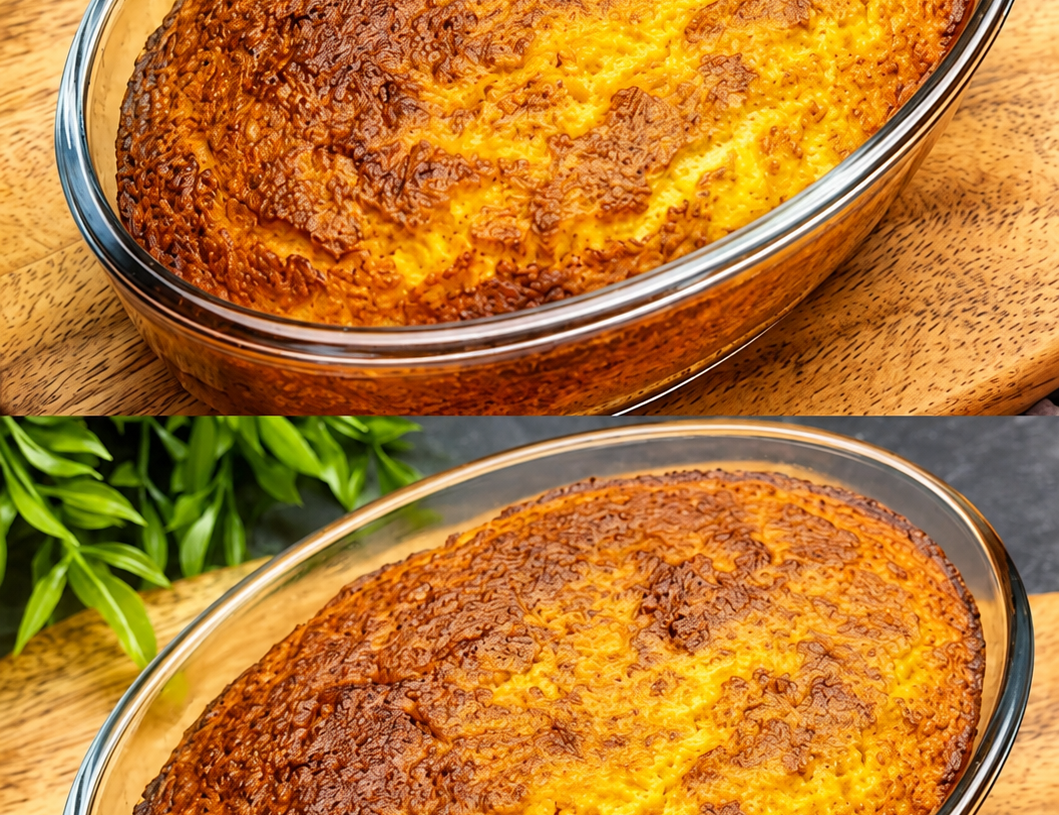
This diabetic-friendly coconut cake is soft, moist, lightly sweet, and packed with rich coconut flavor. Made with almond flour, coconut flour, unsweetened coconut, Greek yogurt, and protein powder, it offers a satisfying combination of protein, healthy fats, and fiber while keeping net carbs relatively low.
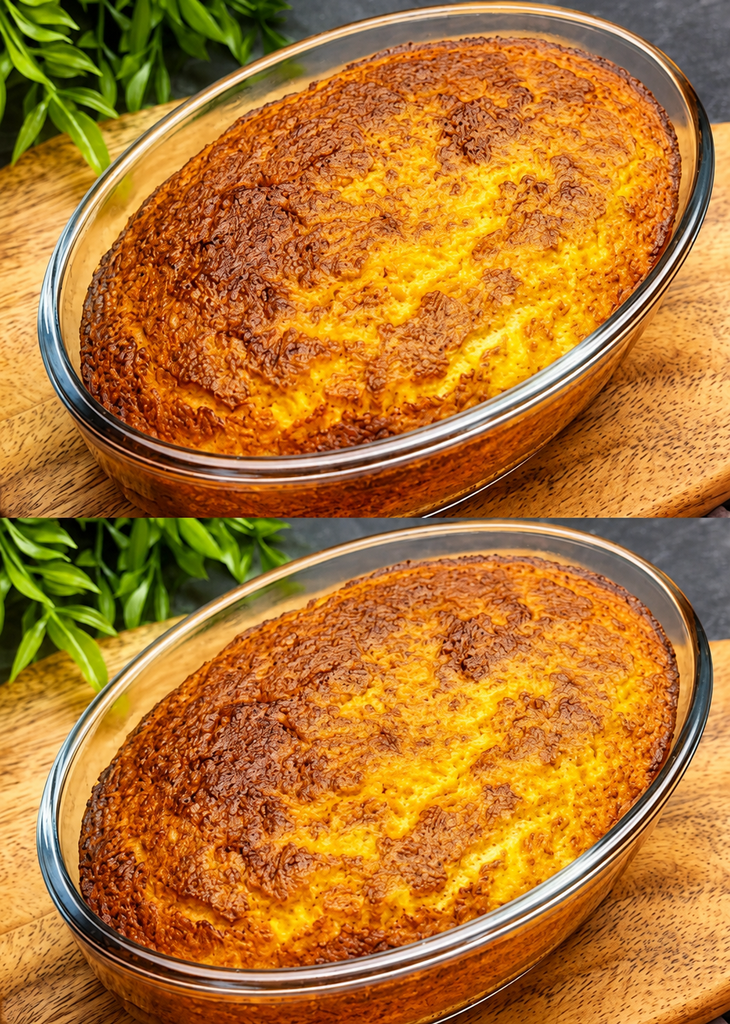
The result is a tender cake with a beautifully golden top and a delicate coconut aroma. It makes a wonderful low-carb dessert, high-protein snack, or simple treat when you want something sweet without relying on traditional refined flour and sugar.
Short 3-Line Description:
A moist coconut cake made with almond flour, coconut flour, Greek yogurt, and protein powder.
It is naturally lower in carbohydrates and provides a useful boost of protein and fiber.
Perfect for a diabetic-friendly eating pattern, low-carb lifestyle, or satisfying snack.
Can This Coconut Cake Support Weight Loss Goals?
This coconut cake can fit into a weight-conscious eating pattern when enjoyed in an appropriate portion. The combination of eggs, Greek yogurt, almond flour, and protein powder provides protein that can make the dessert more satisfying than a conventional sugar-and-flour cake. Almond and coconut flours also contribute fiber and help keep the net carbohydrate content relatively modest. However, weight loss depends on overall calorie intake, dietary pattern, and individual needs—not on one particular recipe.
Does Coconut Cake Fit a High-Protein Lifestyle?
Yes, this version is designed to be more protein-focused than traditional coconut cake.
Protein powder, eggs, and Greek yogurt contribute most of the protein while almond and coconut flour keep the recipe relatively low in carbohydrates.
Each serving provides approximately 15 g of protein and 4 g net carbs, depending on the brands used.
For a higher-protein snack, pair a serving with plain Greek yogurt rather than adding a sugary topping.
Why This Recipe Is Special
- Lower-carb recipe: Almond flour and coconut flour replace traditional wheat flour.
- Protein-focused: Eggs, Greek yogurt, and protein powder increase the protein content.
- Coconut-rich flavor: Unsweetened shredded coconut gives every bite a delicious tropical taste.
- Soft and comforting: Greek yogurt helps create a tender, moist crumb without requiring lots of sugar.
My Personal Experience
- The texture is wonderfully moist:
The Greek yogurt keeps the cake tender instead of dry.
The coconut flour absorbs moisture while helping create a soft, cake-like crumb. - The coconut flavor really stands out:
Unsweetened shredded coconut gives the cake a natural tropical character.
A little vanilla helps round out the flavor without overpowering the coconut. - It feels satisfying as a snack:
The combination of protein, fat, and fiber makes a small slice more substantial.
I especially like it with unsweetened tea or coffee for an afternoon treat. - The golden top makes it especially appealing:
The cake develops a beautifully browned surface during baking.
Letting it cool before slicing gives the crumb time to firm up properly.
Perfect For
This coconut cake is ideal for weeknight desserts, afternoon snacks, meal-prep treats, brunches, family gatherings, and low-carb dessert menus. It can also be portioned ahead of time and refrigerated for convenient snacks throughout the week. Because it contains protein and fiber while remaining relatively low in net carbs, it can work well within a balanced low-carb or high-protein eating plan.
Why You’ll Love This Recipe
- Moist coconut texture:
Greek yogurt and eggs create a soft, tender crumb.
It stays enjoyable even after refrigeration. - Protein-rich ingredients:
Protein powder, eggs, and Greek yogurt provide a meaningful protein boost.
This makes it more substantial than many traditional cakes. - Lower in net carbs:
Coconut and almond flours provide considerably less carbohydrate than regular flour.
Each serving contains approximately 4 g net carbs. - Easy to prepare:
The batter comes together in one main mixing bowl.
There is no complicated frosting or decorating process. - Freezer-friendly:
Individual portions can be wrapped and frozen for later.
This makes the cake convenient for planned snacks and desserts.
Common Mistakes to Avoid
- Using too much coconut flour: Coconut flour absorbs a significant amount of liquid, so adding extra can make the cake dry and crumbly.
- Overbaking the cake: Remove it when the center is set and a toothpick comes out with a few moist crumbs rather than waiting for it to become completely dry.
- Slicing immediately: Allow the cake to cool for at least 20–30 minutes so the crumb can finish setting.
- Using sweetened coconut: Sweetened shredded coconut can substantially increase the sugar and carbohydrate content, so choose unsweetened coconut.
Required Equipment
- Mixing bowls — Makes it easy to combine the wet and dry ingredients separately.
- Whisk — Helps thoroughly blend the eggs, yogurt, and liquid ingredients.
- Rubber spatula — Folds the dry ingredients into the batter without overmixing.
- 8-inch round or square baking pan — Provides an appropriate depth for even baking.
- Parchment paper — Helps prevent sticking and makes the cake easier to remove.
- Toothpick or cake tester — Quickly checks whether the center is fully baked.
Recipe Details
Preparation Time: 15 minutes
Cooking Time: 28–35 minutes
Total Time: 43–50 minutes
Servings: 8
Best Season: All-season
Total Calories: Approximately 235 calories per serving
📝 Ingredients
Dry Ingredients
- 1 cup (112 g) almond flour
- ¼ cup (28 g) coconut flour
- ⅓ cup (80 g) unflavored or vanilla protein powder
- ½ cup (40 g) unsweetened shredded coconut
- 1½ teaspoons baking powder
- ¼ teaspoon baking soda
- ¼ teaspoon salt
Wet Ingredients
- 3 large eggs
- ½ cup (120 g) plain Greek yogurt, preferably unsweetened
- ¼ cup (60 ml) unsweetened almond milk
- 3 tablespoons (42 g) melted coconut oil
- ¼ cup granulated monk-fruit/erythritol sweetener, or adjust to taste
- 1½ teaspoons vanilla extract
Optional Flavor Boost
- ½ teaspoon coconut extract
- 1 tablespoon unsweetened shredded coconut for sprinkling over the top
Ingredient note: Use unsweetened coconut and unsweetened almond milk to keep added sugar and carbohydrates lower. Protein powder varies considerably by brand, so nutrition values will vary.
Directions
1. Prepare the Oven
Preheat your oven to 350°F (175°C) with the rack positioned in the center.
Grease an 8-inch baking pan and line the bottom with parchment paper. This helps prevent sticking and makes removal easier.
2. Combine the Dry Ingredients
In a medium bowl, whisk together the almond flour, coconut flour, protein powder, shredded coconut, baking powder, baking soda, and salt.
Break up any lumps so the protein powder and flours distribute evenly.
3. Mix the Wet Ingredients
In a separate large bowl, whisk the eggs until smooth.
Add the Greek yogurt, almond milk, melted coconut oil, sweetener, vanilla extract, and optional coconut extract. Whisk until creamy and evenly combined.
4. Make the Batter
Gradually add the dry mixture to the wet ingredients.
Fold gently with a spatula until no obvious dry pockets remain. Do not overmix, because excessive mixing can make the cake dense.
5. Check the Texture
The batter should be thick but spoonable, not runny.
If it appears extremely thick after sitting for 1–2 minutes, add 1 tablespoon of almond milk at a time until it becomes easier to spread. Coconut flour continues absorbing moisture as it sits.
6. Transfer to the Pan
Spread the batter evenly into the prepared pan.
Smooth the surface with a spatula and sprinkle a small amount of unsweetened coconut over the top if desired.
7. Bake
Place the pan in the preheated 350°F (175°C) oven.
Bake for approximately 28–35 minutes, depending on your pan and oven.
8. Check for Doneness
The cake should have a golden-brown surface, slightly firm edges, and a center that springs back gently when touched.
Insert a toothpick into the middle. It should come out clean or with a few moist crumbs.
9. Cool
Remove the cake from the oven and place it on a cooling rack.
Allow it to cool in the pan for about 20 minutes, then carefully remove it and continue cooling.
10. Slice and Serve
Once cooled, slice into 8 portions.
For a high-protein serving, pair a slice with a few spoonfuls of plain Greek yogurt instead of sugary frosting.
High-Protein Cooking Tips
- Choose a protein powder with a simple ingredient list and low added sugar.
- Avoid adding extra protein powder beyond the stated amount because it can make the cake dry.
- Greek yogurt contributes protein while also helping maintain moisture.
- For an even higher-protein snack, serve a small slice alongside plain Greek yogurt.
- Allow the cake to cool completely before calculating portions because the texture becomes firmer as it cools.
Nutrition Facts
Per Serving — Approximate
| Nutrient | Amount |
|---|---|
| Calories | ~235 kcal |
| Fat | ~17 g |
| Cholesterol | ~80 mg |
| Sodium | ~190 mg |
| Potassium | ~170 mg |
| Total Carbohydrates | ~8 g |
| Fiber | ~4 g |
| Net Carbs | ~4 g |
| Sugars | ~2 g |
| Protein | ~15 g |
| Calcium | ~110 mg |
Nutrition note: These values are approximate and can change depending on the protein powder, Greek yogurt, almond flour, coconut, sweetener, and other brands used.
Storage Instructions
Refrigerator
Allow the cake to cool completely before storing. Place individual slices in an airtight container, separating layers with parchment paper if necessary. Refrigerate for up to 5 days.
Freezer
For longer storage, wrap individual slices tightly in plastic wrap or freezer-safe paper and place them in a freezer-safe airtight container or bag. Freeze for up to 2 months for best texture.
Thawing
Move a frozen slice to the refrigerator overnight or allow it to thaw at room temperature for approximately 30–60 minutes.
Reheating
For a warm texture, microwave one slice for approximately 10–15 seconds. Avoid excessive heating because the protein-rich cake can become firm or dry.
Proper portioning allows the cake to remain a convenient high-protein, lower-carb snack throughout the week.
Notes
- Sweetener: Use a granulated sugar substitute suitable for your preferred eating pattern and adjust sweetness to taste.
- Coconut: Always use unsweetened shredded coconut for the lower-sugar version.
- Protein powder: Vanilla protein powder works especially well, but unflavored protein powder can also be used.
- Dairy-free option: A suitable unsweetened dairy-free yogurt can replace Greek yogurt, although the protein content may change.
- Allergy note: This recipe contains almonds, eggs, coconut, and dairy if regular Greek yogurt and whey protein are used.
- Flavor boost: Add a little coconut extract or a small amount of lemon zest for a brighter coconut flavor.
- Topping idea: A spoonful of unsweetened Greek yogurt and a sprinkle of toasted coconut makes a simple protein-friendly topping.
- Diabetic-friendly consideration: This recipe uses no conventional granulated sugar and is designed to be lower in carbohydrates, but individual carbohydrate needs and glucose responses vary.
Frequently Asked Questions
1. Is coconut cake diabetic-friendly?
This version is designed to be lower in added sugar and net carbohydrates than traditional coconut cake, but portion size and individual dietary needs still matter.
2. Is this coconut cake keto-friendly?
With approximately 4 g net carbs per serving, it can fit many low-carb or keto-style eating plans when the ingredients and serving size are appropriate.
3. Can I use whey protein powder?
Yes, whey protein works well, although different protein powders can change the texture and nutritional values.
4. Can I make this cake without almond flour?
You can experiment with other low-carb flour blends, but almond flour contributes important moisture and structure, so substitutions may require adjusting the liquid.
5. Why did my coconut cake become dry?
The most common causes are too much coconut flour, excessive protein powder, overmixing, or baking the cake for too long.
6. Can I make the cake ahead of time?
Yes. The cake can be refrigerated for up to 5 days or individually wrapped and frozen for up to 2 months.