
Description
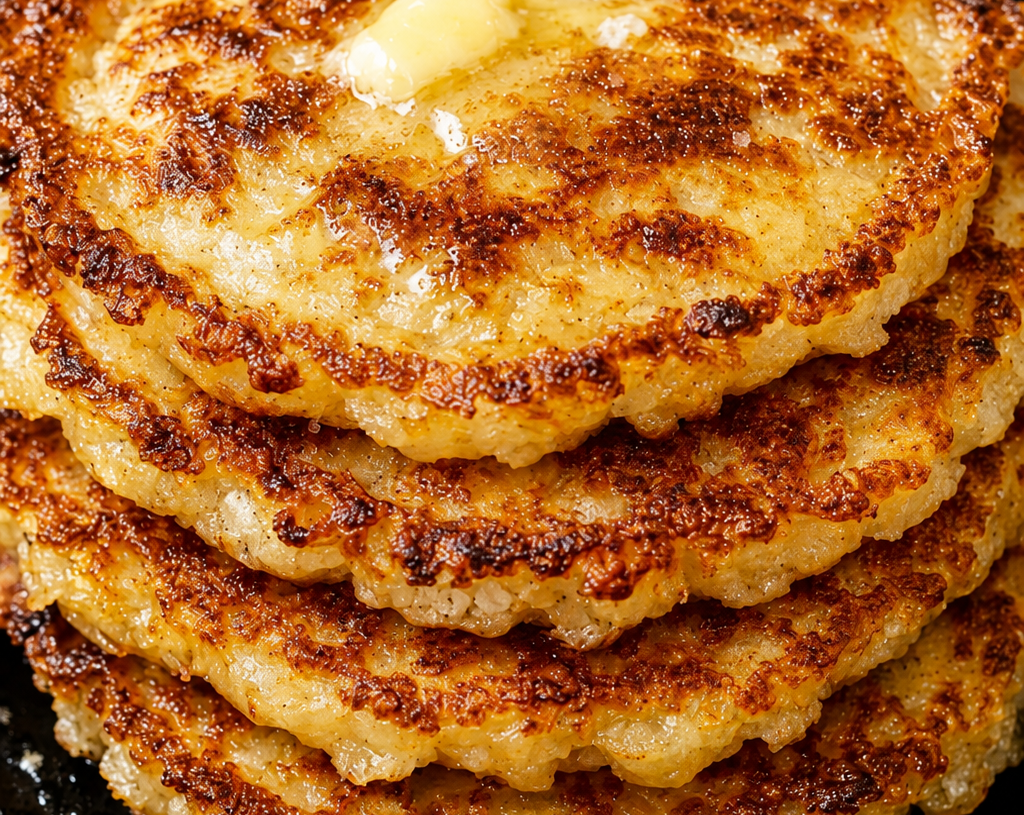
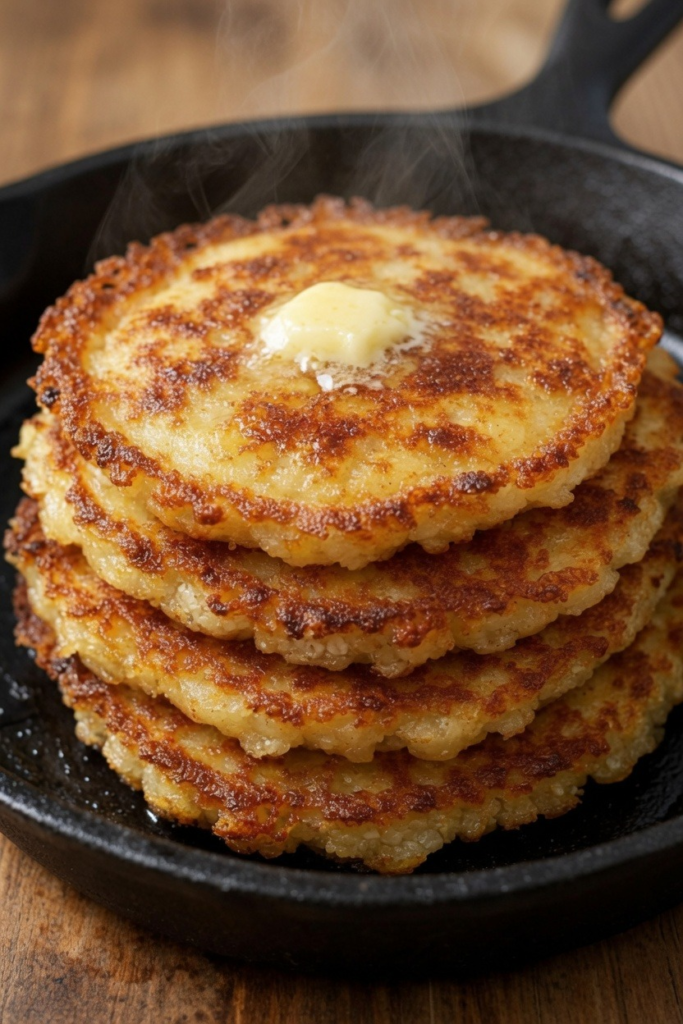
These Grandma’s Secret Cottage Cheese Pancakes are the kind of cozy breakfast that feels homemade from the very first bite. They have beautifully crisp, golden edges, a tender center, and a subtle creamy richness from cottage cheese.
The secret is the combination of cottage cheese and eggs, which gives these pancakes a naturally high-protein breakfast profile while keeping them soft and satisfying. A touch of vanilla and cinnamon adds warm, comforting flavor without overpowering the creamy pancakes.
Serve them straight from the skillet with a small pat of butter, fresh berries, Greek yogurt, or your favorite sugar-free syrup for a delicious breakfast that works equally well for weekends and busy mornings.
Can These Grandma’s Secret Cottage Cheese Pancakes Support Weight Loss Goals?
They can fit into a balanced weight-management eating pattern, particularly when portion sizes and toppings are considered. Cottage cheese and eggs provide protein, which can make breakfast more satisfying, while using a moderate amount of flour keeps the recipe practical and filling. Choosing Greek yogurt, fresh berries, or a light drizzle of sugar-free syrup instead of calorie-dense toppings can help keep the overall meal balanced.
Do These Pancakes Fit a High-Protein Lifestyle?
Yes, these pancakes are a convenient way to add more protein to breakfast without relying on protein powder. Cottage cheese and eggs provide the majority of the protein, while a modest amount of flour supplies the structure needed for fluffy pancakes. The recipe contains moderate carbohydrates, so it is not strictly keto, but the net carbs can be managed through portion size and toppings. For an even higher-protein version, serve the pancakes with Greek yogurt or additional cottage cheese.
Why This Recipe Is Special
Protein-rich: Cottage cheese and eggs make these pancakes more protein-focused than traditional pancakes.
Golden and crispy: Cooking them in a lightly greased skillet creates beautifully browned edges.
Tender center: Cottage cheese helps keep the inside moist and soft.
Grandma-style comfort: Simple pantry ingredients create a nostalgic homemade flavor.
Easy to customize: Add berries, cinnamon, lemon zest, or vanilla for your own variation.
My Personal Experience
The golden edges are my favorite part.
A little butter in the skillet creates beautifully crisp, caramelized edges while the centers remain tender.
Cottage cheese makes a noticeable difference.
It gives the pancakes a creamy interior and adds protein without requiring complicated ingredients.
They feel more filling than ordinary pancakes.
The combination of eggs and cottage cheese makes each serving satisfying enough for a substantial breakfast.
The pancakes smell wonderfully nostalgic while cooking.
Vanilla, cinnamon, and buttery browning create that classic homemade-breakfast aroma.
They are excellent with simple toppings.
A small pat of butter and fresh berries are enough to make these pancakes feel special.
Perfect For
These cottage cheese pancakes are perfect for weekend breakfasts, family brunches, meal-prep breakfasts, post-workout meals, and cozy weekend mornings. They are also a smart option when you want something pancake-like but would prefer a recipe with more protein than traditional pancakes.
For a balanced high-protein breakfast, pair them with plain Greek yogurt, berries, and a small amount of sugar-free syrup.
Why You’ll Love This Recipe
Crispy edges and soft centers — Each pancake develops a beautiful golden crust while remaining tender inside.
Naturally protein-rich — Cottage cheese and eggs boost the protein content using everyday ingredients.
Easy ingredients — No unusual specialty products are required.
Comforting flavor — Vanilla and cinnamon give the pancakes a warm, homemade taste.
Perfect with sweet or savory toppings — Keep them classic with berries or experiment with savory additions.
Great for meal prep — Cooked pancakes can be refrigerated or frozen for quick breakfasts.
Family-friendly — The mild flavor makes them easy to customize for different preferences.
Common Mistakes to Avoid
Using too much flour: Adding excessive flour can make the pancakes dense and dry instead of tender.
Cooking over high heat: Very high heat can brown the outside before the cottage-cheese center has cooked through.
Making the pancakes too large: Smaller pancakes are easier to flip and cook more evenly.
Flipping too early: Wait until bubbles appear and the edges look set before turning the pancakes.
Overmixing the batter: Mix only until combined to prevent unnecessarily dense pancakes.
Required Equipment
Non-stick skillet — Helps the pancakes develop an even golden crust without sticking.
Mixing bowl — Provides enough room to combine the cottage cheese and eggs evenly.
Whisk — Breaks up the eggs and incorporates the wet ingredients smoothly.
Spatula — Makes flipping the delicate pancakes easier.
Measuring cups and spoons — Keep the flour-to-cottage-cheese ratio consistent.
Storage Instructions
Allow the pancakes to cool completely before storing. Place them in an airtight container with parchment paper between the layers and refrigerate for up to 4 days.
For longer storage, freeze the pancakes in a single layer first, then transfer them to a freezer-safe bag or container. They can be frozen for up to 2 months for best quality.
To reheat, warm refrigerated pancakes in a skillet over low to medium heat for 1–2 minutes per side, or use an air fryer at 325°F (165°C) for 3–5 minutes. Frozen pancakes can be reheated directly from frozen for approximately 5–7 minutes in the air fryer.
Recipe Details
Preparation Time: 10 minutes
Cooking Time: 15 minutes
Total Time: 25 minutes
Servings: 4
Yield: Approximately 12 small pancakes
Best Season: All-season
Total Calories: Approximately 290 calories per serving
Short 3-Line Description
Fluffy cottage cheese pancakes with crisp, golden edges and a tender, creamy center.
Made with protein-rich cottage cheese and eggs for a more satisfying breakfast.
Serve warm with berries, Greek yogurt, butter, or your favorite syrup.
📝 Ingredients
For the Pancakes
1 cup cottage cheese — preferably small-curd, 2% or 4%
3 large eggs
¾ cup all-purpose flour
1 tablespoon granulated sweetener or sugar
1 teaspoon baking powder
1 teaspoon vanilla extract
½ teaspoon ground cinnamon
¼ teaspoon salt
2 tablespoons milk, plus more if needed
1 tablespoon unsalted butter or cooking oil, for the skillet
Optional Toppings
½ cup fresh strawberries or blueberries
¼ cup plain Greek yogurt
1–2 tablespoons sugar-free maple syrup
1 teaspoon powdered sweetener
Small pat of butter
Ingredient Notes
Cottage cheese: Small-curd cottage cheese blends into the batter more easily; blending it produces a smoother pancake.
Flour: All-purpose flour gives the pancakes their classic structure and golden crust.
Milk: Add only enough to loosen the batter; cottage cheese varies in moisture.
Sweetener: Regular sugar or a granulated zero-calorie sweetener can be used.
Protein boost: Serve with Greek yogurt or add a little extra cottage cheese on the side.
Directions
- Prepare the Cottage Cheese
Add the cottage cheese to a large mixing bowl.
For a smoother texture, blend it for 20–30 seconds before using. If you prefer small creamy curds throughout the pancakes, simply leave it unblended.
- Mix the Wet Ingredients
Add the 3 eggs, vanilla extract, and milk to the cottage cheese.
Whisk for about 30–45 seconds, until the mixture looks creamy and well combined.
- Combine the Dry Ingredients
In a separate bowl, whisk together the flour, baking powder, cinnamon, salt, and sweetener.
This distributes the baking powder evenly throughout the flour.
- Make the Batter
Gradually add the dry mixture to the cottage-cheese mixture.
Stir gently just until combined. The batter should be thick but scoopable.
If it looks excessively stiff, add another 1 tablespoon of milk.
High-protein tip: Avoid adding excessive flour to a thick-looking batter; cottage cheese naturally makes pancake batter thicker than traditional recipes.
- Rest the Batter
Let the batter sit for 5 minutes.
This allows the flour to hydrate and gives the baking powder time to begin working.
- Preheat the Skillet
Place a non-stick skillet over medium-low to medium heat.
Allow it to warm for approximately 2 minutes, then lightly grease it with butter.
The pan should be hot enough to sizzle gently when batter touches it, but the butter should not burn.
- Add the Batter
Scoop approximately ¼ cup of batter into the skillet for each pancake.
Use the back of the spoon to gently spread the batter into a small round shape.
Avoid making them too thin; the slightly thicker shape helps preserve the tender cottage-cheese center.
- Cook the First Side
Cook for approximately 2–3 minutes.
Look for small bubbles forming on the surface and edges that appear set and lightly golden.
- Flip Carefully
Slide a spatula completely underneath the pancake and flip it in one confident motion.
Cook the second side for another 1½–2½ minutes, until deeply golden and cooked through.
- Check the Texture
The finished pancakes should feel lightly springy when pressed in the center.
If the outside is browning too quickly while the center remains soft, reduce the heat to low and give them another minute.
- Repeat
Continue cooking the remaining batter, adding a small amount of butter or oil to the skillet as needed.
Keep finished pancakes warm on a plate while you cook the remaining batches.
- Serve
Stack the warm pancakes and top with Greek yogurt, fresh berries, a small pat of butter, and sugar-free syrup if desired.
For the best texture, serve immediately while the edges are crisp and the centers are warm and tender.
Nutrition Facts
Per Serving — Approximate
Based on 3 pancakes per serving, without optional toppings.
Nutrient Amount
Calories 290 kcal
Total Fat 13 g
Cholesterol 160 mg
Sodium 510 mg
Potassium 250 mg
Total Carbohydrates 26 g
Fiber 1 g
Net Carbs 25 g
Sugars 4 g
Protein 17 g
Calcium 110 mg
Nutrition values are approximate and may vary depending on the cottage cheese, flour, milk, sweetener, and toppings used.
Notes
For extra fluffy pancakes: Blend the cottage cheese until smooth and avoid overmixing the batter.
For crispier edges: Cook the pancakes in a lightly buttered skillet and allow the first side to become deeply golden before flipping.
For extra protein: Serve with Greek yogurt or a side of cottage cheese.
For lower carbohydrates: Replace part of the all-purpose flour with a suitable low-carb baking blend, keeping in mind that the texture may change.
Flavor boost: Add lemon zest, almond extract, nutmeg, or a pinch of cardamom.
Berry variation: Fold a small amount of blueberries into the batter just before cooking.
Savory variation: Omit the sweetener, vanilla, and cinnamon and add black pepper, chives, spinach, or shredded cheese.
Allergy note: This recipe contains dairy, eggs, and wheat/gluten.
Storage: Refrigerate for up to 4 days or freeze for up to 2 months.
Reheating: Use a skillet or air fryer for the best texture rather than microwaving for a long period.
Frequently Asked Questions
- Can I blend the cottage cheese before making these pancakes?
Yes, blending the cottage cheese creates a smoother batter and produces pancakes with a more uniform texture.
- Why are my cottage cheese pancakes too wet inside?
The batter may contain too much moisture or the pancakes may have been cooked too quickly over high heat, so use medium-low heat and cook until the center is fully set.
- Can I make these pancakes without sugar?
Yes, simply use a zero-calorie granulated sweetener or omit the sweetener if you prefer a less-sweet pancake.
- How can I make these pancakes higher in protein?
Serve them with Greek yogurt or additional cottage cheese, or replace some of the flour with a suitable protein-rich pancake ingredient.
- Can I freeze cottage cheese pancakes?
Yes, freeze cooled pancakes with parchment between the layers and store them in a freezer-safe container for up to 2 months.
- Can I use low-fat cottage cheese?
Yes, low-fat cottage cheese works well, although full-fat cottage cheese generally produces a slightly richer and creamier texture.