
Ingredients
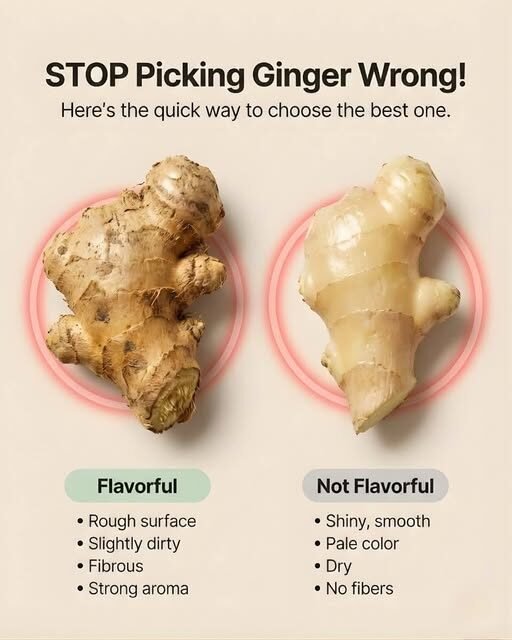
- 1 large piece of fresh ginger root (rough, fibrous, aromatic variety)
- Clean water (for washing)
- 1 vegetable brush or clean cloth
- 1 sharp knife or spoon (for peeling)
- 1 cutting board
- 1 airtight container (for storage)
Directions
Step 1: Selecting the Right Ginger
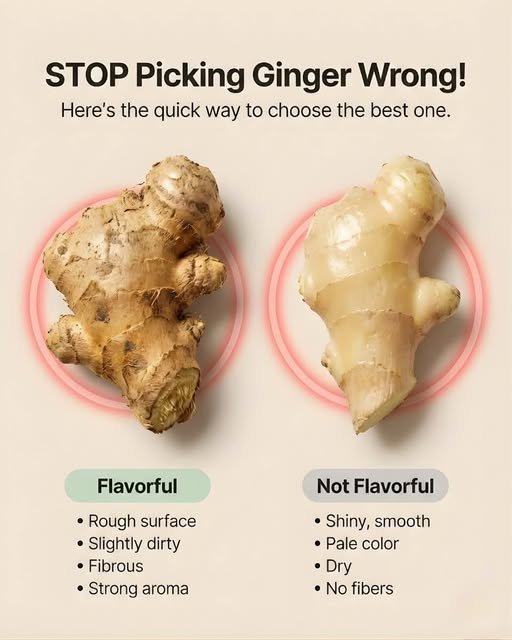
Choose ginger that has a rough, uneven surface with visible fibers and small knobs. The skin should appear slightly dirty or matte rather than shiny. Avoid smooth, pale, or overly glossy ginger, as these varieties are typically mild and lacking in flavor. A strong, spicy aroma is the clearest indicator of quality.
Step 2: Inspecting for Freshness
Gently press the ginger with your fingers. High-quality ginger will feel firm and heavy for its size. Discard any pieces that feel soft, spongy, or shriveled. Fresh ginger should snap cleanly when broken.
Step 3: Cleaning the Ginger
Rinse the ginger briefly under cool running water. Use a vegetable brush or clean cloth to remove surface dirt. Do not soak the ginger, as excess moisture can reduce shelf life and dilute its natural oils.
Step 4: Peeling (Optional but Recommended)
If the ginger skin is thick or fibrous, peel it using the edge of a spoon or a small knife. Thin-skinned, young ginger may be used unpeeled, depending on the recipe.
Step 5: Cutting and Preparation
Slice, mince, or grate the ginger according to your recipe. Grated ginger provides the strongest flavor, while sliced ginger offers a milder infusion. Match the cut to your cooking method for best results.
Step 6: Cooking with Ginger
Add ginger early in cooking for deeper, warmer flavor, or later for a brighter, sharper taste. Avoid overcooking, as prolonged heat can dull its aroma and reduce its effectiveness in a dish.
Step 7: Proper Storage
Store unpeeled ginger in the refrigerator, wrapped in a paper towel and placed inside an airtight container. This method preserves freshness while preventing mold.
Step 8: Freezing for Long-Term Use
For extended storage, freeze ginger whole or grated in a freezer-safe bag. Frozen ginger can be grated directly into dishes without thawing.
Professional Cooking Notes
Rough, fibrous ginger contains higher concentrations of gingerol, the compound responsible for its signature heat and aroma. Smooth, shiny ginger often lacks this intensity, resulting in bland dishes even when used generously.
Using the correct ginger ensures balanced flavor in savory dishes, baked goods, teas, and sauces. Professional kitchens prioritize aroma and texture over visual perfection, making “imperfect” ginger the superior choice.
Useful Information
- Strong ginger enhances both sweet and savory recipes
- Fresh ginger should smell spicy and citrus-like
- Fibrous texture equals stronger flavor
- Freezing ginger preserves flavor better than refrigeration alone
Final Tip
Most cooking mistakes begin at the grocery store. Selecting the correct ginger prevents flavor loss before cooking even starts. Choose rough, aromatic ginger roots to achieve professional-quality results every time.