
Description
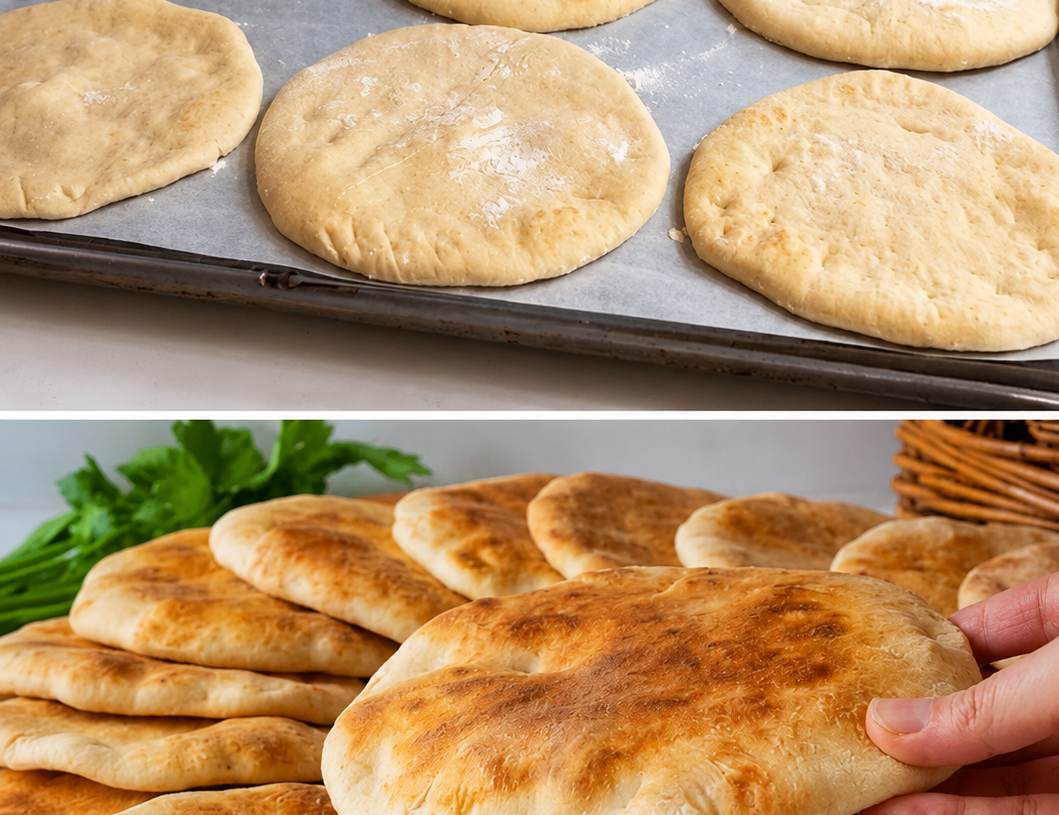
This soft and golden Flatbread is a simple homemade option with a tender center and lightly crisp, browned surface. Made with Greek yogurt and whole-wheat flour, it offers a satisfying combination of protein and fiber while remaining easy to prepare. It’s delicious alongside grilled chicken, eggs, vegetables, dips, or as a lighter wrap.
Can This Flatbread Support Weight Loss Goals?
Yes, this flatbread can fit into a balanced weight-management plan when enjoyed in an appropriate portion. Using Greek yogurt adds protein, while whole-wheat flour provides more fiber than refined flour. Pairing one flatbread with a protein-rich filling such as chicken, eggs, fish, or lean beef can make the meal more satisfying.
Does Flatbread Fit a High-Protein Lifestyle?
This version can fit a high-protein lifestyle because it uses Greek yogurt alongside whole-wheat flour to provide additional protein. Each flatbread contains moderate carbohydrates, so portion size remains important for a lower-carb eating pattern. The net carbs will vary according to the flour and yogurt brands used. For a more protein-focused meal, serve it with grilled chicken, eggs, cottage cheese, or another lean protein.
Why This Recipe is Special
- High-protein friendly: Greek yogurt gives traditional flatbread an extra protein boost.
- Soft and tender: Yogurt helps create a pleasantly soft interior.
- Simple ingredients: No complicated bread-making techniques are required.
- Versatile: Use it for wraps, sandwiches, dipping, or alongside main dishes.
- Meal-prep friendly: The cooked flatbreads can be refrigerated or frozen for later.
My Personal Experience
- I love the soft texture of this flatbread.
The Greek yogurt keeps the inside tender while the hot pan creates beautifully browned spots on the outside. - It works with almost any meal.
I especially like serving it with grilled chicken, scrambled eggs, or a creamy yogurt dip. - The dough is easy to handle.
Resting the dough briefly makes it smoother and easier to roll without excessive flour. - The fresh-toasted flavor is much better than packaged bread.
Cooking each piece until golden creates lightly crisp edges and a warm, homemade taste. - It freezes surprisingly well.
Separating the cooked flatbreads with parchment makes it easy to take out only what you need.
Perfect For
This flatbread is ideal for weeknight dinners, meal prep, quick lunches, breakfast wraps, snacks, grilled chicken wraps, dipping with hummus, and balanced low-carb meal plans. It can also replace traditional bread when you want a homemade option with more protein.
Why You’ll Love This Recipe
- Soft inside and golden outside — A hot skillet gives the flatbread attractive browned patches while keeping the center tender.
- Protein-friendly — Greek yogurt adds protein without making the bread heavy.
- Easy to customize — Garlic, herbs, sesame seeds, or spices can easily be added.
- Great for wraps — The flexible texture makes it useful for chicken, egg, or vegetable fillings.
- Freezer-friendly — Make a batch and freeze extras for convenient future meals.
Common Mistakes to Avoid
- Adding too much flour — Excess flour can make the flatbread dense and tough.
- Rolling it too thin — Very thin dough can become dry and crisp instead of soft.
- Using a cold skillet — The flatbread may dry out before developing attractive golden spots.
- Overcooking — Leaving it on the pan too long can remove moisture and make it chewy.
Required Equipment
- Large mixing bowl — Gives you enough space to combine and knead the dough comfortably.
- Rolling pin — Helps create evenly sized flatbreads.
- Heavy skillet or cast-iron pan — Provides consistent heat and attractive browning.
- Kitchen tongs — Makes flipping the flatbreads quick and easy.
- Clean kitchen towel — Keeps cooked flatbreads covered so they remain soft.
Storage Instructions
Allow cooked flatbreads to cool completely before storing. Place parchment paper between them and keep them in an airtight container or resealable bag.
- Refrigerator: Store for up to 4 days.
- Freezer: Freeze for up to 2 months for best quality.
- Thawing: Thaw overnight in the refrigerator or briefly at room temperature.
- Reheating: Warm in a dry skillet over medium-low heat for 20–30 seconds per side, or microwave under a slightly damp paper towel for about 10–15 seconds.
Proper storage does not change the protein content, although the exact nutrition remains dependent on the ingredients originally used.
Recipe Details

Preparation Time: 15 minutes
Resting Time: 20 minutes
Cooking Time: 15 minutes
Total Time: About 50 minutes
Servings: 8 flatbreads
Best Season: All-season
Total Calories: Approximately 145 calories per flatbread
Short 3-Line Description
Soft, golden homemade flatbread made with Greek yogurt and whole-wheat flour.
It’s protein-friendly, versatile, and easy enough for everyday meals.
Serve it warm with chicken, eggs, vegetables, dips, or your favorite fillings.
📝 Ingredients
- 2 cups whole-wheat flour
- 1 cup plain nonfat Greek yogurt
- 1 teaspoon baking powder
- ½ teaspoon salt
- 1 tablespoon olive oil
- 2–4 tablespoons water, as needed
- ½ teaspoon garlic powder, optional
- 1 tablespoon chopped fresh parsley, optional
Ingredient note: Use plain, unsweetened Greek yogurt. For a more diabetes-conscious version, avoid sweetened yogurt and keep portions moderate. The flour still contributes carbohydrates, so it should be included in your overall meal planning.
Directions
- Combine the dry ingredients.
Add whole-wheat flour, baking powder, salt, and garlic powder to a large bowl. Whisk for about 30 seconds to distribute everything evenly. - Add the yogurt and oil.
Add Greek yogurt and olive oil. Mix with a spoon until a shaggy dough begins to form. - Adjust the dough.
Add water 1 tablespoon at a time while mixing. Stop when the dough becomes soft and pliable but not sticky. - Knead gently.
Transfer the dough to a lightly floured surface and knead for 2–3 minutes. The finished dough should feel smooth and elastic rather than dry. - Rest the dough.
Cover with a clean towel and let it rest at room temperature for 20 minutes. This relaxes the dough and makes rolling easier. - Divide the dough.
Divide into 8 equal pieces and shape each into a ball. - Roll the flatbreads.
Roll each ball into a round approximately ⅛-inch thick. Avoid using excessive flour because it can make the finished bread dry. - Heat the skillet.
Preheat a heavy skillet over medium-high heat for 2–3 minutes. The pan should be hot enough that a tiny sprinkle of flour begins to toast quickly. - Cook the first side.
Place one flatbread in the dry skillet. Cook for approximately 60–90 seconds, until bubbles appear and the underside develops golden-brown spots. - Flip and finish.
Turn the flatbread and cook for another 45–75 seconds. Look for golden patches and a cooked, slightly puffed appearance. - Keep them soft.
Transfer the cooked flatbread to a plate and immediately cover it with a clean kitchen towel. Repeat with the remaining dough.
High-protein cooking tip: Don’t add excessive flour while kneading or rolling. Keeping the dough soft helps maintain a tender texture while allowing the Greek yogurt to contribute its protein without producing a dense bread.
Nutrition Facts — Per Serving (Approximate)
Estimates are based on 8 flatbreads and will vary according to the exact flour, yogurt, and oil used.
- Calories: ~145 kcal
- Fat: ~3.5 g
- Cholesterol: ~2 mg
- Sodium: ~190 mg
- Potassium: ~125 mg
- Total Carbohydrates: ~23 g
- Fiber: ~3.5 g
- Net Carbs: ~19.5 g
- Sugars: ~1 g
- Protein: ~6 g
- Calcium: ~45 mg
Notes
- Storage: Keep refrigerated for up to 4 days or freeze for up to 2 months.
- Reheating: Warm briefly in a skillet or microwave; avoid overheating because it can dry the bread.
- Allergy note: Contains wheat and dairy. Use suitable alternatives only if you have verified they work with the recipe.
- Flavor boost: Add garlic powder, dried oregano, parsley, rosemary, or za’atar to the dough.
- Extra softness: Keep freshly cooked flatbreads covered with a towel until the entire batch is finished.
- Lower-carb approach: For a lower-carb version, use a suitable low-carb flour blend designed for flatbreads and recalculate the nutrition because substitutions can significantly change the texture and carbohydrate content.
Frequently Asked Questions
1. Can I make this flatbread without Greek yogurt?
Yes, but Greek yogurt contributes moisture, tenderness, and protein, so the texture and nutrition will change.
2. Why is my flatbread tough?
Too much flour, excessive kneading, or overcooking can make flatbread tough.
3. Can I cook these in the oven?
Yes, bake them on a preheated baking sheet at about 475°F (245°C) until lightly browned, usually around 5–8 minutes, depending on thickness.
4. Can I add herbs to the dough?
Yes, parsley, oregano, za’atar, rosemary, or garlic make excellent additions.
5. Can I freeze homemade flatbread?
Yes, separate cooled flatbreads with parchment paper and store them in an airtight freezer bag for up to about 2 months.
6. Is this flatbread diabetic-friendly?
It can be incorporated into a diabetes-conscious eating pattern, but it is not carbohydrate-free, so portion size and the specific ingredients should be considered.