
Recipe Overview
This recipe makes a generous roasted-vegetable platter that works beautifully as a side dish, light main course, meal-prep vegetable, or filling for wraps, bowls, sandwiches, and salads.
Servings
Serves: 6–8 people as a side dish
Prep time: 25–30 minutes
Roasting time: 35–45 minutes
Total time: About 1 hour 15 minutes
Ingredients — Vegetables
- 4 medium potatoes, about 700 g, cut into 1-inch chunks
- 3 medium carrots, peeled and cut into thick diagonal pieces
- 2 red bell peppers, seeded and cut into large strips
- 1 large broccoli head, cut into medium florets
- 2 medium zucchini, cut into thick half-moons
- 1 large red onion, cut into chunky wedges
- 1 small cauliflower, cut into medium florets
Ingredients — Oil
- 6 tablespoons extra-virgin olive oil
The oil helps the vegetables brown properly and carries the seasonings over every surface.
Ingredients — Garlic
- 5 cloves fresh garlic, finely minced
Fresh garlic gives the vegetables a strong, savory flavor.
Ingredients — Dried Herbs
- 2 teaspoons dried oregano
- 2 teaspoons dried thyme
- 1 teaspoon dried rosemary
- 1 teaspoon dried parsley
You can substitute an Italian herb blend if desired.
Ingredients — Spices
- 1½ teaspoons smoked paprika
- 1 teaspoon sweet paprika
- 1 teaspoon freshly ground black pepper
- 1½ teaspoons kosher salt
- ½ teaspoon red pepper flakes
Reduce the red pepper flakes if you prefer mild roasted vegetables.
Ingredients — Finishing Flavors
- 1 tablespoon fresh lemon juice
- 1 teaspoon lemon zest
- 1 tablespoon chopped fresh parsley
- 2 tablespoons grated Parmesan cheese, optional
The lemon brightens the vegetables after roasting and balances the richness of the olive oil.
Optional Ingredients
For an even richer platter, add:
- ½ teaspoon onion powder
- ½ teaspoon ground cumin
- 1 tablespoon balsamic vinegar
- 1 tablespoon toasted sesame seeds
- A small handful of fresh basil
- A drizzle of tahini before serving
Equipment Needed
You will need:
- 1 large rimmed baking sheet
- 1 large mixing bowl
- Small bowl for seasoning
- Chef’s knife
- Cutting board
- Vegetable peeler
- Measuring spoons
- Spatula or tongs
- Parchment paper, optional
Preheat the Oven
Preheat your oven to 425°F (220°C).
A properly heated oven is essential because the vegetables should begin roasting immediately when they hit the baking sheet.
Prepare the Baking Sheet
Use a large, sturdy, rimmed baking sheet.
For easier cleanup, line it with parchment paper. If you want maximum browning, roast the vegetables directly on a lightly oiled metal baking sheet.
Wash the Vegetables
Wash all fresh vegetables thoroughly under cool running water.
Pay particular attention to broccoli and cauliflower because small pieces of dirt can hide between their florets.
Cut the Potatoes
Cut the potatoes into pieces approximately 1 inch in size.
Try to keep all pieces similar in size so they cook at roughly the same rate.
Cut the Carrots
Peel the carrots and cut them diagonally into pieces about ½–¾ inch thick.
Because carrots are firm, avoid cutting them too large.
Cut the Bell Peppers
Remove the stems, seeds, and white inner membranes from the bell peppers.
Cut them into large strips or chunky squares.
Do not cut them too thin because they can soften quickly during roasting.
Prepare the Broccoli
Separate the broccoli into medium-sized florets.
If the stems are tender, peel away the tough outer layer and cut the inner stem into bite-sized pieces.
Prepare the Cauliflower
Cut the cauliflower into florets similar in size to the broccoli.
Large florets should be divided so that the cauliflower can become browned and tender without burning on the outside.
Prepare the Zucchini
Cut the zucchini into thick half-moons.
Avoid very thin slices because zucchini contains considerable moisture and can become soft before it develops good caramelization.
Prepare the Red Onion
Peel the red onion and cut it into chunky wedges.
Keep some of the onion layers connected if possible. This helps the onion retain its shape while roasting.
Dry Everything Thoroughly
After washing the vegetables, dry them very well with clean kitchen towels or paper towels.
This step is important.
Wet vegetables release steam in the oven, while dry vegetables have a much better chance of becoming browned and roasted.
Make the Seasoning Mixture
In a small bowl, combine:
- Olive oil
- Minced garlic
- Oregano
- Thyme
- Rosemary
- Parsley
- Smoked paprika
- Sweet paprika
- Black pepper
- Salt
- Red pepper flakes
Stir thoroughly until everything is evenly combined.
Start With the Firm Vegetables
Place the potatoes, carrots, cauliflower, and broccoli into a large mixing bowl.
These vegetables can withstand longer roasting and benefit from extra time in the hot oven.
Add the Seasoning
Pour approximately two-thirds of the olive-oil seasoning mixture over the firm vegetables.
Use clean hands, a spatula, or large spoons to toss everything thoroughly.
Every piece should have a light coating of seasoned oil.
Spread the First Batch
Arrange the potatoes, carrots, cauliflower, and broccoli across the baking sheet.
Keep them in a single layer.
Avoid piling the vegetables on top of each other.
Leave Space Between Pieces
Try to leave small gaps between the vegetables.
If everything is crowded together, moisture becomes trapped and the vegetables steam instead of roast.
If necessary, use two baking sheets.
Begin Roasting
Place the tray in the preheated 425°F (220°C) oven.
Roast the firm vegetables for approximately 15 minutes.
At this stage, they should begin developing golden edges.
Prepare the Softer Vegetables
While the first vegetables roast, place the bell peppers, zucchini, and red onion into the mixing bowl.
Add the remaining seasoned oil and toss thoroughly.
Check the First Roast
After 15 minutes, carefully remove the baking sheet from the oven.
Use a spatula to turn the potatoes, carrots, broccoli, and cauliflower.
Turning them exposes new surfaces to the hot baking sheet and encourages more even browning.
Add the Bell Peppers
Add the seasoned bell peppers to the baking sheet.
Spread them among the other vegetables rather than placing them in one large pile.
Add the Zucchini
Add the zucchini pieces to the tray.
Keep the pieces as separated as possible because zucchini releases moisture as it cooks.
Add the Red Onion
Arrange the red onion wedges throughout the vegetables.
Some onion edges should touch the baking sheet directly so they can become dark, sweet, and caramelized.
Roast Again
Return the baking sheet to the oven.
Continue roasting for approximately 15–20 minutes.
The vegetables should gradually develop browned edges while becoming tender inside.
Turn the Vegetables
After another 10 minutes, check the tray.
Use tongs or a spatula to turn any pieces that are becoming too dark on one side.
Do not constantly stir the vegetables. Too much movement can prevent proper browning.
Look for Caramelization
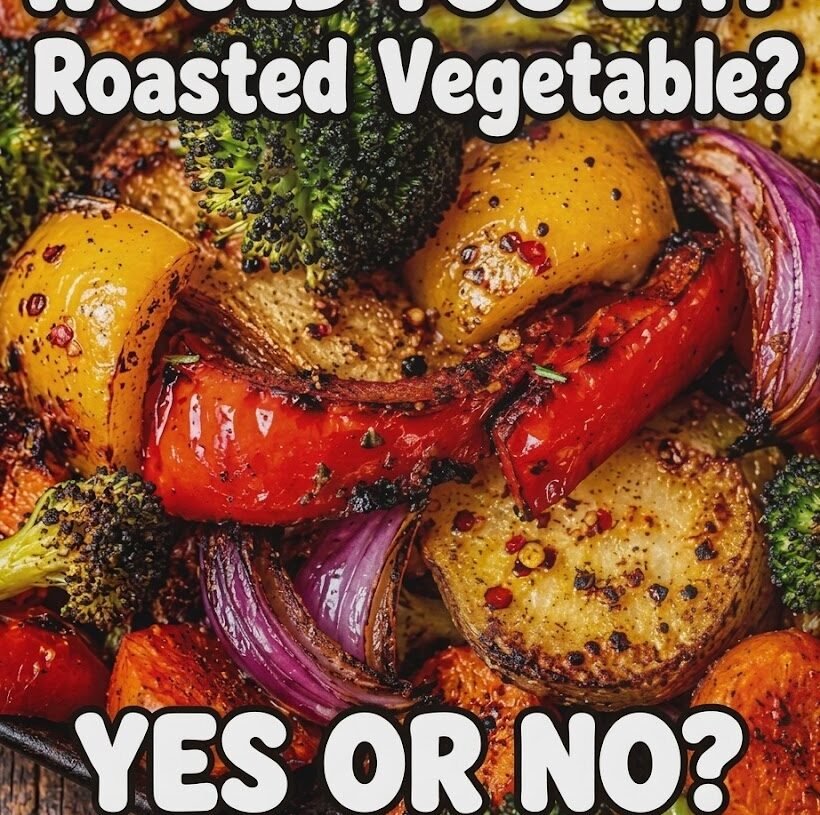
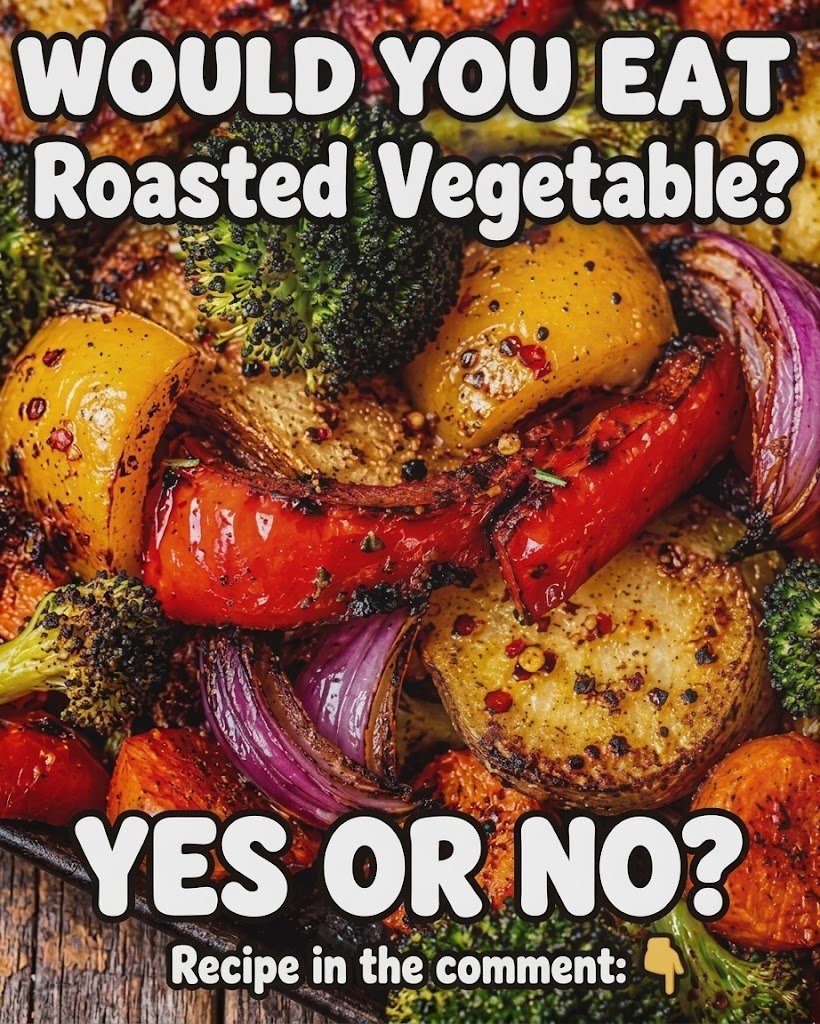
The finished vegetables should have:
- Golden-brown potato edges
- Dark roasted broccoli tips
- Caramelized onion edges
- Slightly charred pepper skin
- Golden cauliflower
- Tender carrots
- Browned zucchini edges
A little darkening is desirable because it creates a deeper roasted flavor.
Test the Potatoes
Pierce one potato with a fork.
It should be tender in the center while remaining browned and slightly crisp on the outside.
If the potato is still firm, roast for another 5–10 minutes.
Test the Carrots
Taste or pierce a carrot piece.
It should be tender but should still have enough structure to hold its shape.
The carrots should taste naturally sweet from roasting.
Add the Lemon
Once the vegetables are finished, remove the tray from the oven.
Immediately sprinkle over:
- 1 tablespoon fresh lemon juice
- 1 teaspoon lemon zest
Toss gently.
The acidity cuts through the richness of the olive oil and makes the roasted flavors taste brighter.
Finish With Fresh Herbs
Sprinkle the hot vegetables with 1 tablespoon chopped fresh parsley.
For extra flavor, add a little fresh basil or additional thyme.
If using Parmesan, scatter 2 tablespoons grated Parmesan over the hot vegetables.
Final Seasoning
Taste one piece of vegetable.
Adjust the seasoning with additional:
- Salt
- Black pepper
- Red pepper flakes
- Lemon juice
- Olive oil
Season gradually rather than adding a large amount at once.
Let the Vegetables Rest
Allow the roasted vegetables to rest for approximately 3–5 minutes before serving.
This gives the flavors a moment to settle while the vegetables remain warm.
Make Them Extra Crispy
For especially crispy vegetables, switch the oven to broil/grill for the final 1–2 minutes.
Watch the tray continuously because the vegetables can go from beautifully browned to burnt very quickly.
Make Them More Flavorful
For a stronger Mediterranean-style flavor, drizzle the finished vegetables with a little balsamic vinegar and sprinkle with fresh parsley.
For a smoky version, add extra smoked paprika.
For a spicy version, add additional red pepper flakes.
Serve as a Side Dish
Serve the roasted vegetables alongside:
- Grilled chicken
- Roast chicken
- Steak
- Baked fish
- Grilled tofu
- Rice
- Couscous
- Quinoa
They are especially good served straight from the oven.
Serve as a Main Course
To turn this into a complete vegetarian meal, serve the vegetables over warm quinoa, rice, couscous, or farro.
Add chickpeas, white beans, lentils, or crumbled feta for additional protein and texture.
Make a Roasted Vegetable Bowl
Place a portion of the roasted vegetables into a bowl.
Add cooked grains, chickpeas, leafy greens, avocado, and a spoonful of hummus.
Finish with lemon juice and a drizzle of olive oil.
Make a Wrap
Fill a warm tortilla or flatbread with roasted vegetables.
Add hummus, garlic yogurt sauce, lettuce, cucumber, and fresh herbs.
Roll tightly and serve warm.
Make a Salad
Allow the vegetables to cool slightly and place them over mixed greens.
Add feta cheese, toasted nuts, fresh parsley, and a simple lemon dressing.
The contrast between the warm roasted vegetables and fresh greens is excellent.
Storage Instructions
Allow leftovers to cool before transferring them to an airtight container.
Store in the refrigerator for approximately 3–4 days.
Keep the vegetables refrigerated rather than leaving them at room temperature for extended periods.
Reheating Instructions
For the best texture, reheat the vegetables in a 425°F (220°C) oven or air fryer until hot and slightly crisp.
Avoid relying exclusively on the microwave if you want crispy edges, because microwaving tends to soften roasted vegetables.
Meal-Prep Instructions
Prepare a large batch at the beginning of the week.
Divide the roasted vegetables into meal-prep containers with rice, quinoa, couscous, or another grain.
Keep sauces and fresh toppings separate until serving.
Best Roasting Secret
The most important trick is not overcrowding the pan.
A little space between the vegetables allows hot air to circulate and moisture to escape.
If your vegetables are packed tightly together, use two trays.
Second Important Secret
Cut the vegetables according to their cooking time.
Firm vegetables: potatoes, carrots, cauliflower
Medium vegetables: broccoli, bell peppers, onions
Soft vegetables: zucchini
This is why the firm vegetables begin roasting before the softer ones.
Third Important Secret
Do not be afraid of color.
Beautiful roasted vegetables should have browned and caramelized edges.
That browning creates much of the savory, sweet, nutty flavor that makes oven-roasted vegetables so delicious.
Flavor Variations
For a Mediterranean version, add oregano, lemon, feta, olives, and parsley.
For a smoky version, use smoked paprika, cumin, garlic, and chili flakes.
For a garlic-herb version, increase the garlic and add rosemary, thyme, and parsley.
For a spicy version, add chili flakes and a small drizzle of hot sauce after roasting.
Final Serving
Transfer the vegetables to a large serving platter.
Arrange the different colors so the red peppers, purple onions, green broccoli, orange carrots, golden potatoes, cauliflower, and zucchini are all visible.
Finish with fresh parsley, lemon zest, and a final tiny drizzle of extra-virgin olive oil.