
Description
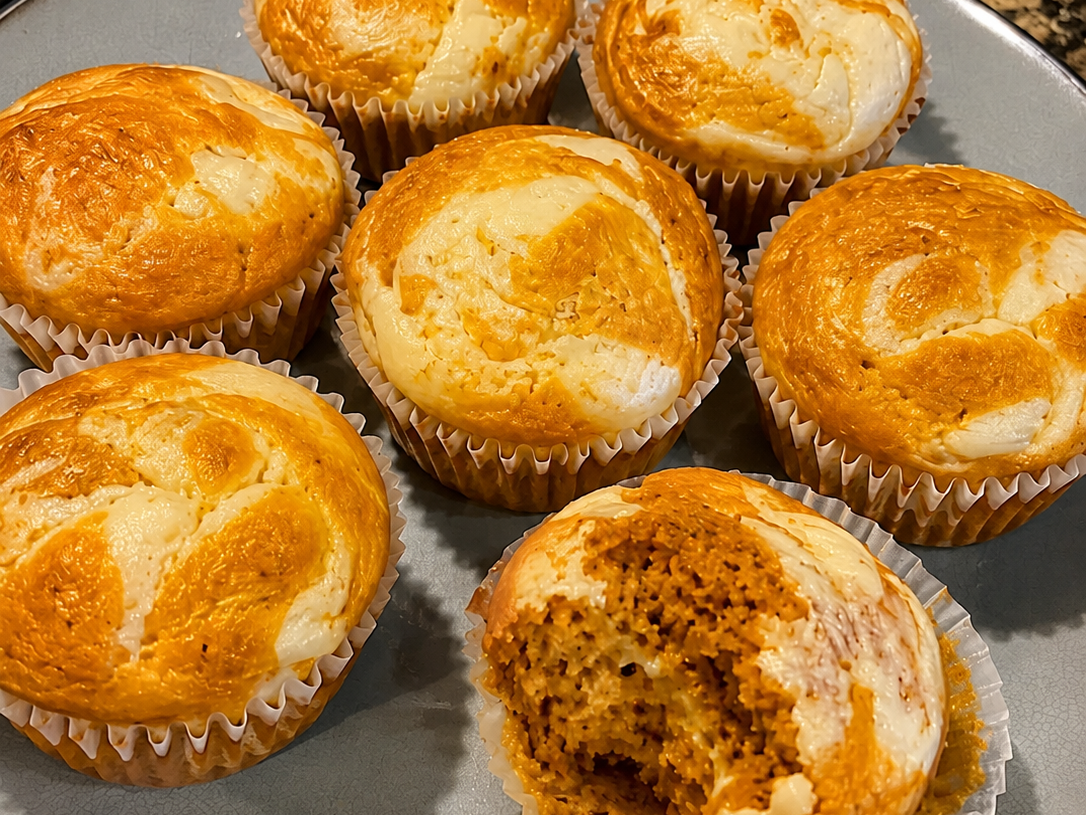
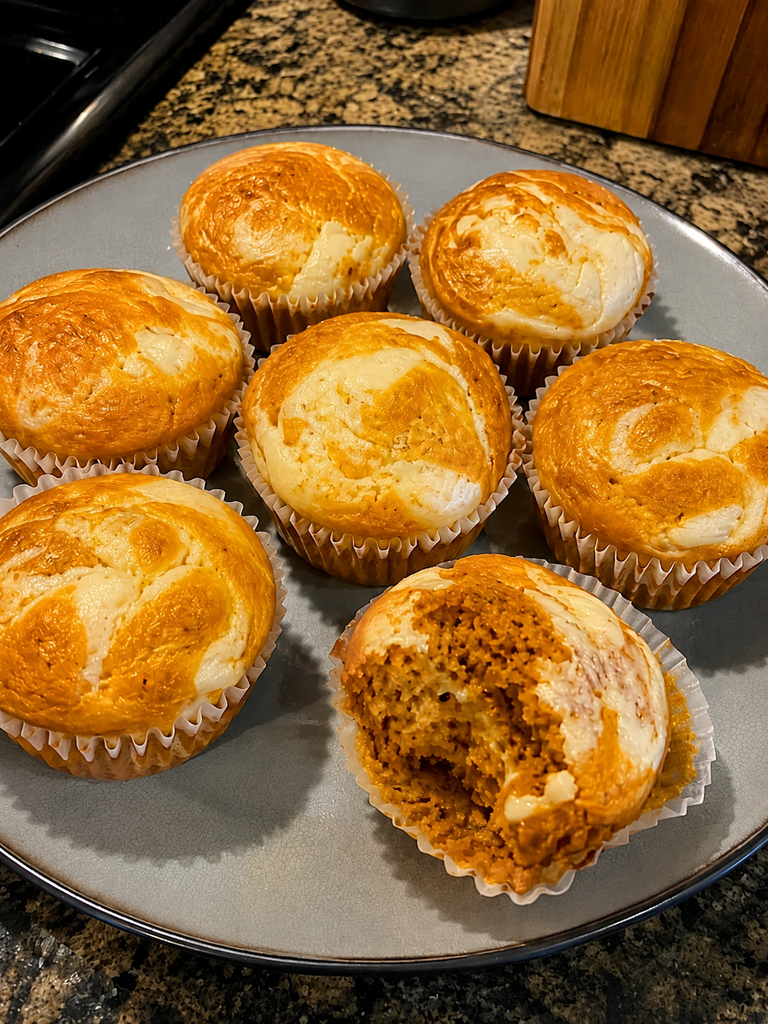
These Pumpkin Cream Cheese Muffins combine warm pumpkin spice with a creamy cheesecake-style center and a tender, moist muffin crumb. Almond flour, Greek yogurt, eggs, and protein powder make them a satisfying high-protein, lower-carb alternative to traditional pumpkin muffins.
They are lightly sweetened without traditional granulated sugar and make a wonderful fall breakfast, snack, or portion-controlled dessert. The contrast between the spiced pumpkin muffin and cool, tangy cream cheese filling makes every bite especially delicious.
Can This Pumpkin Cream Cheese Muffins Support Weight Loss Goals?
These muffins can fit into a weight-conscious eating pattern when enjoyed in an appropriate portion. Greek yogurt, eggs, almond flour, and protein powder provide protein and help make the muffins more filling than conventional sugar-heavy pumpkin muffins.
Using pumpkin puree and a calorie-conscious sweetener also helps keep the recipe more moderate in carbohydrates and added sugar. However, the overall calorie intake, portion size, and balance of your complete diet matter more than any individual recipe.
Does Pumpkin Cream Cheese Muffins Fit a High-Protein Lifestyle?
Yes, these muffins use Greek yogurt, eggs, protein powder, and cream cheese to provide a protein-focused combination.
Each muffin contains approximately 10–11g of protein, depending on the brands of protein powder and dairy products used.
Almond flour keeps the flour portion lower in carbohydrates, while pumpkin provides fiber and natural flavor.
At approximately 7g net carbs per muffin, these are lower-carb but should not automatically be considered keto.
Why This Recipe Is Special
- High-Protein Upgrade — Protein powder, Greek yogurt, and eggs add substantial protein to each muffin.
- Creamy Center — A lightly sweetened cream cheese filling creates a cheesecake-like surprise inside.
- Lower-Carb — Almond flour replaces traditional wheat flour, reducing the carbohydrate load.
- Fall Comfort Flavor — Pumpkin, cinnamon, nutmeg, and ginger give these muffins a classic seasonal taste.
- No Traditional Sugar — A granulated zero-calorie sweetener keeps added sugar low.
My Personal Experience
- The cream cheese center makes these muffins feel extra special.
The tangy filling cuts through the warm pumpkin spice and creates a delicious cheesecake-like contrast. - The pumpkin keeps the crumb wonderfully moist.
Pumpkin puree helps prevent the protein-enriched batter from becoming dry or overly dense. - The spice combination gives them a true fall flavor.
Cinnamon, ginger, and nutmeg complement the pumpkin without overpowering the creamy filling. - They are especially satisfying for breakfast or a snack.
The combination of protein, fiber, and fat makes them more substantial than a conventional sweet muffin. - They smell incredible while baking.
The warm pumpkin-spice aroma fills the kitchen before the muffins even finish cooking.
Perfect For
These muffins are ideal for fall breakfasts, meal prep, afternoon snacks, lunchbox treats, weekend baking, holiday brunches, and portion-controlled desserts. They can also fit into a lower-carb or high-protein meal plan when the serving size and accompanying foods are considered.
Why You’ll Love This Recipe
- Creamy cheesecake center
Every muffin has a smooth cream cheese filling that adds richness and tanginess. - Moist pumpkin crumb
Pumpkin puree and Greek yogurt help create a soft texture without needing large amounts of oil. - Protein-rich ingredients
Protein powder, eggs, and Greek yogurt make these more filling than ordinary pumpkin muffins. - Lower in carbohydrates
Almond flour and a sugar-free sweetener help reduce carbohydrates compared with classic bakery-style muffins. - Perfectly spiced
Cinnamon, ginger, and nutmeg give each bite a warm, comforting pumpkin-spice flavor.
Common Mistakes to Avoid
- Using pumpkin pie filling instead of pumpkin puree — Pie filling can contain added sugar and other ingredients that change the recipe’s nutrition and texture.
- Overmixing the batter — Mix just until the ingredients are combined to keep the muffins tender.
- Making the cream cheese filling too soft — Chill the filling briefly if it becomes difficult to scoop.
- Overbaking the muffins — Remove them when the tops are set and a toothpick inserted into the muffin portion comes out mostly clean.
Required Equipment
- 12-cup muffin pan — Creates evenly sized muffins with consistent baking.
- Paper muffin liners — Make removal easier and reduce sticking.
- Two mixing bowls — Keeps the muffin batter and cream cheese filling separate.
- Electric hand mixer — Quickly creates a smooth cream cheese filling.
- Cookie scoop — Helps portion the batter and filling evenly.
- Wire cooling rack — Prevents condensation from making the muffin bottoms soggy.
Storage Instructions
Refrigerator: Because these muffins contain a cream cheese filling, cool them completely and store them in an airtight container in the refrigerator for up to 4 days.
Freezer: Wrap individual cooled muffins tightly in plastic wrap or freezer-safe material and place them in an airtight freezer container or bag. Freeze for up to 2 months for best quality.
Thawing: Transfer frozen muffins to the refrigerator overnight or let them thaw in the refrigerator for several hours.
Reheating: Warm refrigerated muffins in the microwave for approximately 10–15 seconds if desired. For frozen muffins, thaw first for the best cream cheese texture.
Recipe Details
Preparation Time: 20 minutes
Cooking Time: 20–24 minutes
Total Time: 40–44 minutes
Servings: 12 muffins
Best Season: Fall, but delicious all-season
Total Calories: Approximately 190 calories per muffin
Nutrition information is an approximate estimate and will vary depending on the specific brands of protein powder, cream cheese, Greek yogurt, almond flour, and sweetener used.
📝 Ingredients
Pumpkin Muffin Batter
- 1½ cups (168 g) blanched almond flour
- ½ cup (50 g) vanilla whey protein powder
- 1 teaspoon baking powder
- ½ teaspoon baking soda
- 1½ teaspoons ground cinnamon
- ½ teaspoon ground ginger
- ¼ teaspoon ground nutmeg
- ¼ teaspoon salt
- 2 large eggs
- 1 cup (245 g) unsweetened pumpkin puree
- ½ cup (120 g) plain nonfat Greek yogurt
- ⅓ cup (65–70 g) granulated erythritol or monk-fruit sweetener
- 2 tablespoons (28 g) melted unsalted butter
- 1 teaspoon vanilla extract
Cream Cheese Filling
- 6 oz (170 g) reduced-fat cream cheese, softened
- 2 tablespoons powdered erythritol or preferred zero-calorie sweetener
- 1 large egg yolk
- ½ teaspoon vanilla extract
- ¼ teaspoon ground cinnamon
Ingredient note: Use 100% pure pumpkin puree, not pumpkin pie filling. For the best filling texture, allow the cream cheese to soften at room temperature before mixing.
Directions
1. Prepare the Oven
Preheat the oven to 350°F (175°C).
Line a 12-cup muffin pan with paper liners.
2. Prepare the Cream Cheese Filling
In a small bowl, beat softened cream cheese, powdered sweetener, egg yolk, vanilla, and cinnamon on low-medium speed for 1–2 minutes.
Continue until the mixture looks smooth, creamy, and lump-free.
Set aside.
3. Combine the Dry Ingredients
In a large bowl, whisk almond flour, protein powder, baking powder, baking soda, cinnamon, ginger, nutmeg, and salt.
Breaking up any protein powder or almond-flour lumps now helps produce a smoother muffin.
4. Mix the Wet Ingredients
In another bowl, whisk the eggs, pumpkin puree, Greek yogurt, sweetener, melted butter, and vanilla.
Whisk for about 1 minute, until evenly combined.
5. Make the Batter
Pour the wet mixture into the dry ingredients.
Fold gently with a spatula until just combined.
High-protein tip: Do not overmix. Protein powder can make baked goods dense if the batter is aggressively stirred.
6. Fill the Muffin Cups
Add approximately 1 tablespoon of pumpkin batter to each liner.
Place about 1 tablespoon of cream cheese filling in the center.
Cover with another 1 tablespoon of pumpkin batter, keeping the cream cheese mostly enclosed.
Each liner should be approximately ¾ full.
7. Bake
Place the muffin pan in the preheated oven.
Bake at 350°F (175°C) for 20–24 minutes.
The muffins are ready when the tops look set and lightly golden, and a toothpick inserted into the pumpkin portion comes out mostly clean. Avoid inserting the toothpick directly into the cream cheese center.
8. Cool
Remove the pan from the oven and let the muffins cool in the pan for 10 minutes.
Transfer them to a wire rack and cool for another 20–30 minutes.
The cream cheese center will firm as the muffins cool.
9. Chill and Serve
For the cleanest cream cheese center and best texture, refrigerate the muffins for approximately 1 hour before serving.
Serve chilled or allow them to sit at room temperature for several minutes before eating.
Nutrition Facts
Per Muffin – Approximate
| Nutrient | Amount |
|---|---|
| Calories | ~190 kcal |
| Fat | ~13 g |
| Cholesterol | ~55 mg |
| Sodium | ~190 mg |
| Potassium | ~170 mg |
| Total Carbohydrates | ~10 g |
| Fiber | ~3 g |
| Net Carbs | ~7 g |
| Sugars | ~2 g |
| Protein | ~10–11 g |
| Calcium | ~95 mg |
Values are approximate estimates and can change substantially depending on the brands and specific products used.
Notes
- Pumpkin: Always use unsweetened pure pumpkin puree rather than pumpkin pie filling.
- Sweetener: Erythritol or a monk-fruit/erythritol blend works well; sweetness can be adjusted to taste.
- Extra protein: Choose a protein powder with a high protein-to-calorie ratio for a stronger protein boost.
- Flavor boost: Add ¼ teaspoon of vanilla or a small pinch of cloves for deeper pumpkin-spice flavor.
- Crunchy topping: A few chopped pecans or walnuts can be sprinkled on top before baking, although this will increase calories and fat.
- Allergy note: This recipe contains almonds, dairy, and eggs. Whey protein is also dairy-derived.
- Reheating: Warm refrigerated muffins briefly in the microwave, but avoid overheating because the cream cheese center can become very soft.
- Diabetic-friendly note: These muffins use no traditional granulated sugar and are lower in carbohydrates than many conventional pumpkin muffins, but they still contain carbohydrates. Portion size and individual dietary needs should be considered.
Frequently Asked Questions
1. Can I use regular flour instead of almond flour?
Yes, but regular flour will substantially change the carbohydrate content, texture, and nutrition profile.
2. Can I use fresh pumpkin?
Yes, but cooked fresh pumpkin should be pureed and drained well so the batter does not become excessively wet.
3. Can I make these muffins without protein powder?
Yes, although the muffins will have less protein and may have a slightly different texture.
4. Why did my cream cheese filling sink?
The filling may sink if the batter is too thin or if too much filling is added, so keep the cream cheese portion centered and covered with batter.
5. Can I freeze Pumpkin Cream Cheese Muffins?
Yes, wrap them individually and freeze them in an airtight container for up to 2 months for best quality.
6. Are these muffins keto-friendly?
They are lower-carb but not necessarily keto, with approximately 7g net carbs per muffin depending on the ingredients used.