
Description
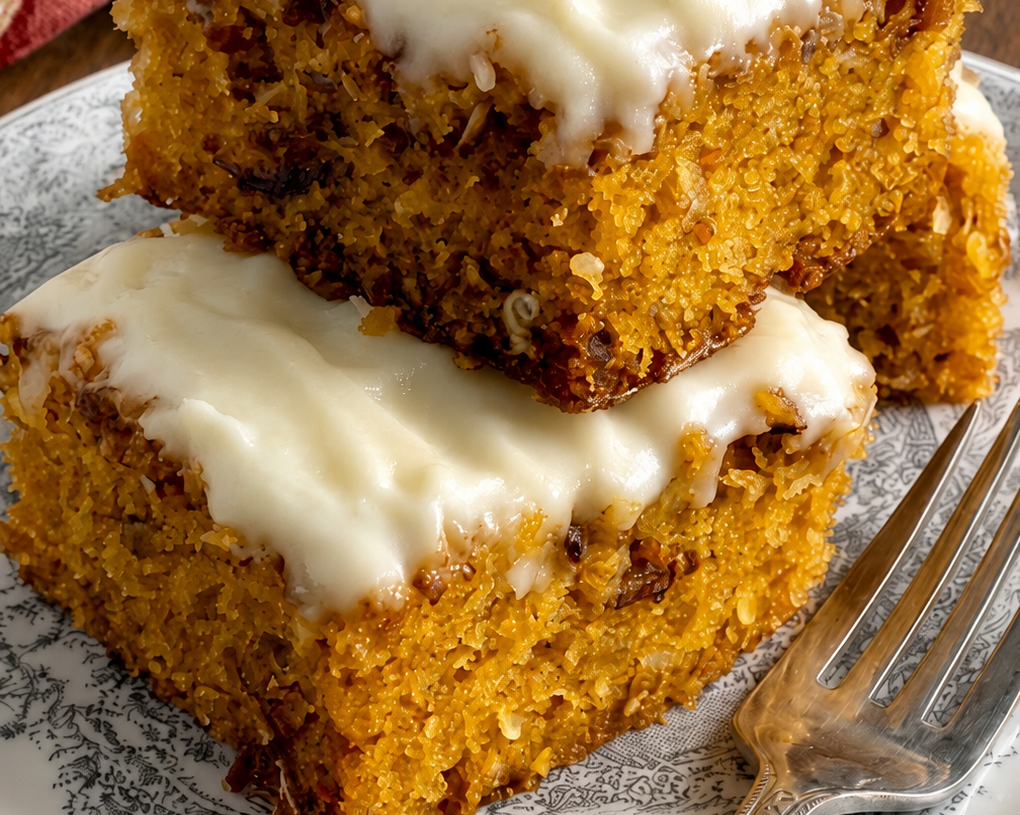
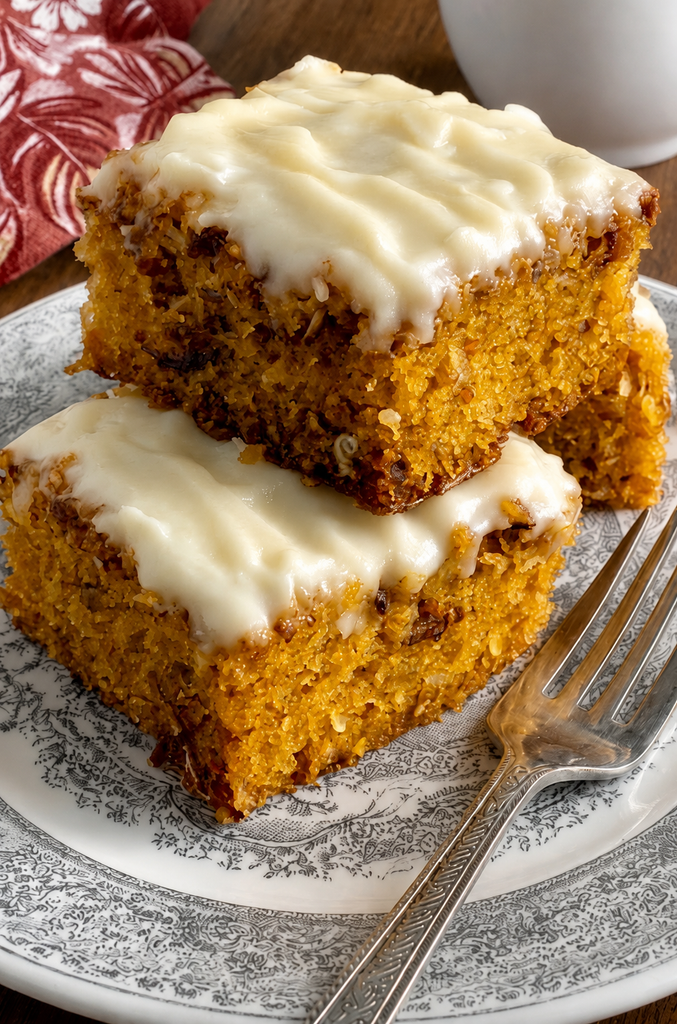
This Carrot Cake with Cream Cheese Frosting delivers the cozy flavor of classic carrot cake in a more balanced, low-carb and high-protein version. Almond flour, protein powder, shredded carrots, warm cinnamon, and a creamy sugar-free frosting create a moist, tender texture with plenty of comforting flavor.
It is a satisfying dessert option for anyone following a high-protein, low-carb lifestyle. Using a low-sugar sweetener and portion-conscious ingredients helps keep the carbohydrate content more moderate than traditional carrot cake.
The result is a beautifully spiced cake topped with smooth cream cheese frosting—perfect when you want something indulgent without relying on traditional refined sugar and white flour.
Can This Carrot Cake with Cream Cheese Frosting Support Weight Loss Goals?
It can fit into a weight-conscious eating pattern when enjoyed in an appropriate portion. This version uses protein powder, eggs, Greek yogurt, and cream cheese to provide more protein and satiety than a conventional carrot cake, while almond flour replaces most of the higher-carb wheat flour.
Because calories still matter, the frosting and serving size should be considered when planning the rest of your day. Pairing one serving with a protein-rich meal or snack can make it easier to include this dessert while maintaining an overall balanced eating pattern.
Does Carrot Cake with Cream Cheese Frosting Fit a High-Protein Lifestyle?
Yes, this recipe can fit a high-protein lifestyle because it combines protein powder, eggs, Greek yogurt, and cream cheese with almond flour and a modest amount of carrot.
The recipe provides approximately 12–13g of protein per serving, depending on the protein powder and dairy products used.
Its estimated net carbs are around 6g per serving, making it considerably lower in carbohydrates than traditional carrot cake.
For a diabetic-friendly approach, use a no-added-sugar sweetener and keep portions consistent.
Why This Recipe Is Special
- Low-carb friendly: Almond flour replaces traditional refined flour for a lower-carbohydrate cake.
- Higher in protein: Protein powder, eggs, and Greek yogurt add protein to each serving.
- Creamy frosting: Sugar-free cream cheese frosting provides the classic carrot-cake finish.
- Warm and comforting: Cinnamon, vanilla, and nutmeg create a cozy homemade flavor.
- Great portion-controlled dessert: Individual servings make it easier to enjoy as part of a balanced eating plan.
My Personal Experience
- The texture is wonderfully moist:
The combination of shredded carrot and Greek yogurt keeps the cake tender without making it heavy. - The frosting makes it feel like a classic dessert:
A thick layer of tangy cream cheese frosting balances the warm spices and naturally sweet carrots. - I love the almond-flour base:
It gives the cake a pleasantly rich texture while keeping the recipe lower in carbohydrates than traditional versions. - The cinnamon really stands out:
Fresh cinnamon gives every bite that familiar carrot-cake warmth without requiring excessive sugar. - It works especially well for planned treats:
Cutting the cake into measured portions makes it easy to enjoy a satisfying dessert without turning it into an oversized serving.
Perfect For
This carrot cake is ideal for weeknight desserts, weekend baking, afternoon snacks, birthday-style celebrations, holiday dessert tables, meal prep, and low-carb or high-protein diet plans. It can also be prepared ahead of time and refrigerated, making it convenient when you want a ready-to-serve dessert.
Why You’ll Love This Recipe
- Moist and tender:
Greek yogurt and carrots help create a soft texture without relying on large amounts of oil. - Rich cream cheese topping:
The smooth frosting adds tangy sweetness and makes the cake feel extra indulgent. - Lower-carb ingredients:
Almond flour and a zero- or low-sugar sweetener help reduce the carbohydrate load. - Protein-conscious:
Eggs, Greek yogurt, and protein powder make this a more protein-forward dessert than traditional carrot cake. - Easy to portion:
Baking in a square pan makes it simple to divide the cake into consistent servings.
Common Mistakes to Avoid
- Using too much carrot: Excess moisture from oversized amounts of carrot can make the center gummy instead of tender.
- Overmixing the batter: Mix only until the ingredients are combined to help maintain a softer crumb.
- Frosting the warm cake: Allow the cake to cool completely or the cream cheese frosting can melt and slide off.
- Overbaking: Remove the cake when the center is set and a toothpick comes out with a few moist crumbs.
Required Equipment
- 8×8-inch baking pan — provides evenly sized portions and consistent baking.
- Mixing bowls — keeps wet and dry ingredients organized for easier preparation.
- Electric mixer — creates a smooth, creamy frosting quickly.
- Box grater — produces finely shredded carrots that incorporate evenly.
- Rubber spatula — gently folds the batter without excessive mixing.
- Parchment paper — makes removing and slicing the finished cake easier.
Storage Instructions
Refrigerator: Because the cake contains cream cheese frosting, store leftovers in an airtight container in the refrigerator for up to 4–5 days. Keep the cake covered to prevent it from absorbing refrigerator odors and drying out.
Freezer: For longer storage, freeze individual unfrosted or fully frosted portions in freezer-safe containers. Wrap pieces tightly and freeze for up to 2 months for best quality.
Meal prep: Individual portions are convenient for controlled servings and can be transferred from the freezer to the refrigerator overnight.
High-protein-friendly tip: Store portions individually so you can easily include one serving alongside a protein-rich meal or snack.
Recipe Details
Preparation Time: 20 minutes
Cooking Time: 30–35 minutes
Total Time: 50–55 minutes
Servings: 12
Best Season: All-season
Total Calories: Approximately 260 calories per serving
Short 3-Line Description
Moist, warmly spiced carrot cake meets a creamy sugar-free cream cheese frosting.
Almond flour, Greek yogurt, eggs, and protein powder make this a higher-protein, lower-carb dessert.
A delicious portion-controlled treat for low-carb and diabetic-friendly meal plans.
📝 Ingredients
For the Carrot Cake
- 1½ cups finely shredded carrots — about 150g; squeeze lightly if exceptionally wet.
- 1½ cups almond flour — about 168g.
- ½ cup vanilla protein powder — about 45–50g; use a low-sugar variety.
- 2 teaspoons baking powder
- 1 teaspoon ground cinnamon
- ½ teaspoon ground nutmeg
- ¼ teaspoon salt
- 3 large eggs
- ½ cup plain nonfat Greek yogurt — about 120g.
- ⅓ cup granulated monk fruit or erythritol sweetener — adjust to taste depending on sweetness.
- 2 tablespoons melted unsalted butter
- 1 teaspoon vanilla extract
- ¼ cup chopped walnuts — optional.
For the Cream Cheese Frosting
- 6 oz reduced-fat cream cheese, softened
- ¼ cup powdered monk fruit/erythritol sweetener
- 2 tablespoons plain Greek yogurt
- 1 teaspoon vanilla extract
- 1–2 tablespoons unsweetened almond milk, only if needed for consistency
Ingredient note: Choose unsweetened Greek yogurt and a no-added-sugar sweetener to keep the recipe more suitable for a lower-carb, diabetic-friendly eating pattern.
Directions
1. Prepare the Oven
Preheat the oven to 350°F (175°C). Line an 8×8-inch baking pan with parchment paper and lightly grease the sides.
2. Prepare the Dry Ingredients
In a large bowl, whisk together almond flour, protein powder, baking powder, cinnamon, nutmeg, and salt.
Mixing the dry ingredients first helps distribute the protein powder and leavening agents evenly.
3. Mix the Wet Ingredients
In another bowl, whisk the eggs, Greek yogurt, sweetener, melted butter, and vanilla until smooth.
High-protein tip: Greek yogurt adds moisture and protein without requiring a large amount of additional fat.
4. Combine the Batter
Gradually add the wet mixture to the dry ingredients. Stir gently until just combined.
Fold in the shredded carrots and optional walnuts. Do not overmix, as excessive mixing can produce a dense cake.
5. Bake
Transfer the batter to the prepared pan and spread it evenly.
Bake at 350°F (175°C) for 30–35 minutes, or until the center is set and a toothpick inserted into the middle comes out with a few moist crumbs.
6. Cool Completely
Place the pan on a cooling rack and allow the cake to cool for at least 45–60 minutes.
The cake should be completely cool before frosting.
7. Make the Frosting
Beat softened cream cheese with powdered monk fruit/erythritol, Greek yogurt, and vanilla on medium speed for 1–2 minutes until smooth and creamy.
If the frosting is too thick, add unsweetened almond milk ½ teaspoon at a time.
8. Frost the Cake
Spread the cream cheese frosting evenly over the completely cooled cake.
For the best texture, refrigerate the frosted cake for 20–30 minutes before slicing.
9. Slice and Serve
Cut into 12 even portions. For the cleanest slices, use a sharp knife and wipe it between cuts.
High-protein cooking tip: Keep the serving size consistent and pair the dessert with a protein-rich meal or snack rather than treating it as an unlimited snack.
Nutrition Facts — Per Serving (Approximate)
Estimates can vary depending on the exact protein powder, sweetener, cream cheese, yogurt, and almond flour used.
| Nutrient | Amount |
|---|---|
| Calories | 260 kcal |
| Fat | 18 g |
| Cholesterol | 70 mg |
| Sodium | 220 mg |
| Potassium | 190 mg |
| Total Carbohydrates | 10 g |
| Fiber | 4 g |
| Net Carbs | 6 g |
| Sugars | 3 g |
| Protein | 13 g |
| Calcium | 115 mg |
Notes
- Storage: Refrigerate the frosted cake in an airtight container for 4–5 days.
- Reheating: This cake is best served chilled or at room temperature; if desired, let one portion sit at room temperature for 10–15 minutes before serving rather than microwaving the frosting.
- Freezing: Freeze individually wrapped portions for up to 2 months for best quality.
- Allergy notes: Contains almonds, dairy, eggs, and potentially nuts if walnuts are added; use appropriate substitutions if needed.
- Flavor boost: Add a little extra cinnamon, a pinch of ginger, or a small amount of orange zest for additional carrot-cake flavor.
- Sweetener: Erythritol or monk fruit blends can vary considerably in sweetness, so adjust according to the specific product.
- Diabetic-friendly consideration: This recipe is designed to be lower in carbohydrates and without traditional added sugar, but individual blood-glucose responses can vary, so portion size and personal dietary needs still matter.
Frequently Asked Questions
1. Is this carrot cake diabetic-friendly?
It is designed as a lower-carb, no-added-sugar alternative to traditional carrot cake, although individual dietary needs and glucose responses vary.
2. Is this carrot cake high in protein?
Yes, each serving provides approximately 13g of protein, primarily from protein powder, eggs, Greek yogurt, and cream cheese.
3. How many net carbs are in one serving?
One serving contains approximately 6g net carbohydrates, based on the ingredient quantities and nutrition estimates above.
4. Can I make this carrot cake without walnuts?
Yes, simply omit the walnuts without needing to change the other ingredients.
5. Why is my carrot cake too wet?
Excessively wet carrots, underbaking, or using substantially different ingredient quantities can leave the center too moist, so lightly squeeze very wet shredded carrots and bake until the center is set.
6. Can I freeze carrot cake with cream cheese frosting?
Yes, individual portions can be tightly wrapped and frozen for up to approximately 2 months for best quality.