
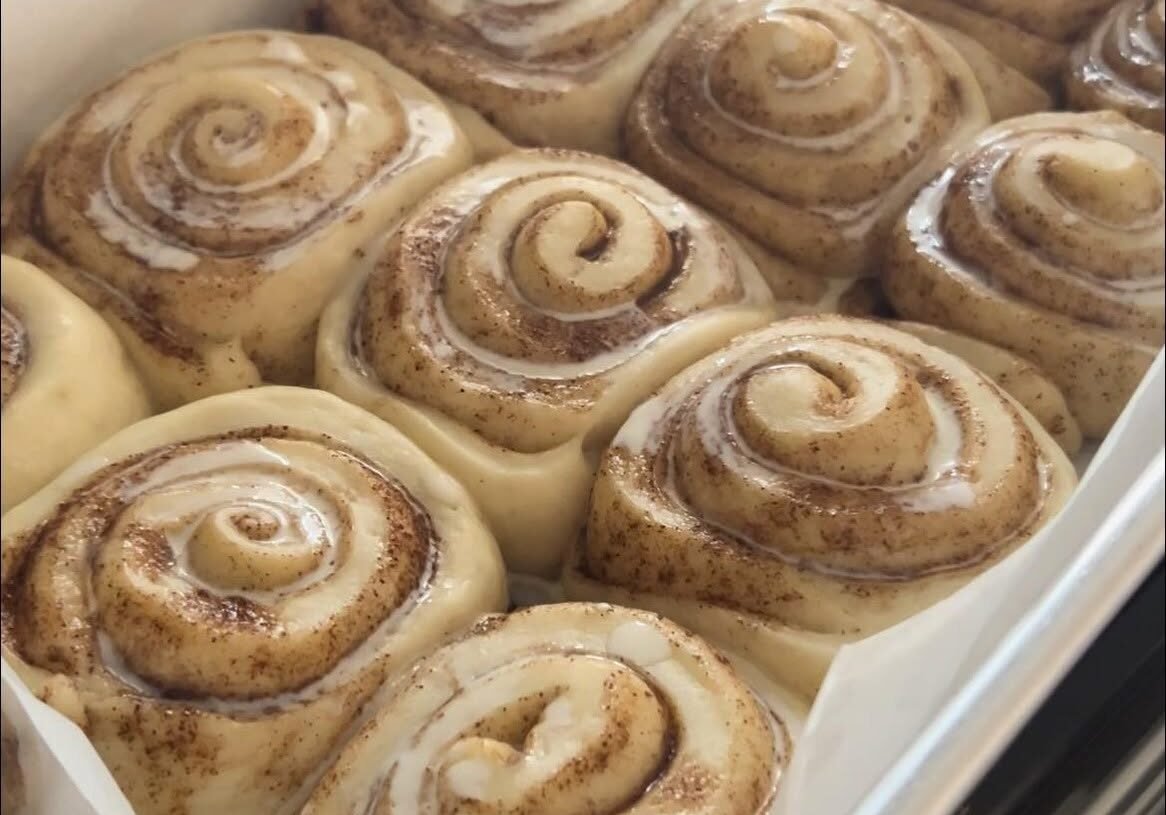
Light & Fluffy Cinnamon Rolls
A Lighter Homemade Cinnamon Roll Recipe with Greek Yogurt, Warm Cinnamon Filling & Creamy Vanilla Glaze
After plenty of testing, these lighter homemade cinnamon rolls are designed to give you the soft, fluffy texture and comforting cinnamon flavor you expect from a classic cinnamon roll while using a more moderate amount of butter and sugar.
This version is not intended to be a “magic weight-loss food.” Instead, it is a portion-conscious, lighter dessert recipe that can fit into a balanced eating pattern. The recipe uses Greek yogurt for moisture and a creamy glaze, while keeping the filling sweet and flavorful without an excessive amount of sugar.
Recipe Overview
Recipe Name: Light & Fluffy Cinnamon Rolls
Category: Breakfast / Dessert / Baking
Cuisine: American-inspired
Prep Time: 25 minutes
Rise Time: 1 hour 15 minutes
Bake Time: 18–23 minutes
Total Time: Approximately 2 hours 5 minutes
Servings: 12 rolls
Difficulty: Intermediate
Best Served: Warm
Why You’ll Love These Lighter Cinnamon Rolls
These cinnamon rolls are soft, tender, fragrant, and satisfying without relying on a large amount of butter or frosting.
The dough contains a combination of all-purpose flour, milk, egg, Greek yogurt, and a small amount of butter. The yogurt helps contribute moisture and tenderness, while the yeast gives the rolls their characteristic airy texture.
The filling is intentionally simple: a modest amount of butter, brown sugar, and plenty of cinnamon. Using more cinnamon allows you to create a rich-tasting filling without needing to add a large amount of sugar.
The finished rolls are topped with a light Greek-yogurt cream cheese glaze. The glaze adds tanginess and sweetness while remaining considerably lighter than a thick layer of traditional frosting.
Ingredients
For the Dough
- 2½ cups (300 g) all-purpose flour
- 2¼ teaspoons (7 g) instant yeast
- 2 tablespoons (25 g) granulated sugar
- ½ teaspoon salt
- ¾ cup (180 ml) low-fat milk, warmed
- 1 large egg
- ¼ cup (60 g) plain nonfat Greek yogurt
- 2 tablespoons (28 g) unsalted butter, melted and slightly cooled
- 1 teaspoon vanilla extract
For the Cinnamon Filling
- 2 tablespoons (28 g) light butter or softened unsalted butter
- ¼ cup (50 g) packed light brown sugar
- 1½ tablespoons ground cinnamon
- ⅛ teaspoon salt
For the Light Vanilla Cream Cheese Glaze
- ½ cup (120 g) plain nonfat Greek yogurt
- 1 oz (28 g) reduced-fat cream cheese, softened
- 1 tablespoon (8 g) powdered sugar
- ½ teaspoon vanilla extract
- 1–2 teaspoons milk, only if needed to thin
Equipment
You will need:
- Large mixing bowl
- Small bowl
- Measuring cups and spoons
- Rolling pin
- Pastry brush or spoon
- Sharp knife or unflavored dental floss
- 9 × 13-inch baking dish
- Parchment paper
- Kitchen towel or plastic wrap
- Wire cooling rack
Detailed Instructions
1. Warm the Milk
Begin by warming the milk until it is comfortably warm but not hot.
The ideal temperature is approximately 100–110°F (38–43°C).
Milk that is too hot can interfere with the yeast, while milk that is too cool may slow the rising process.
2. Prepare the Yeast Mixture
Place the warm milk in a large mixing bowl.
Add the granulated sugar and instant yeast.
Stir gently and allow the mixture to sit for approximately 5 minutes.
Instant yeast generally does not require extensive proofing, but this short resting period allows the ingredients to begin combining.
3. Add the Wet Ingredients
Add the egg, Greek yogurt, melted butter, and vanilla extract to the milk mixture.
Whisk until the mixture is relatively smooth.
Don’t worry if the Greek yogurt creates a few small lumps; they will disappear as the dough comes together.
4. Add the Flour
Add approximately 2¼ cups of the flour along with the salt.
Stir using a wooden spoon or sturdy spatula.
Gradually add the remaining flour as necessary.
The dough should be soft and slightly tacky but should not be extremely sticky.
5. Knead the Dough
Transfer the dough to a lightly floured surface.
Knead for approximately 6–8 minutes.
You can also use a stand mixer fitted with a dough hook and knead on low to medium-low speed for approximately 5–6 minutes.
Avoid adding excessive flour. Too much flour can produce dense, dry cinnamon rolls.
6. Check the Dough
The finished dough should feel soft, elastic, and slightly springy.
If it is extremely sticky, add flour one tablespoon at a time.
If it feels stiff or dry, avoid automatically adding more flour. A slightly soft dough usually produces a more tender finished roll.
7. First Rise
Place the dough in a lightly greased bowl.
Cover it with a clean kitchen towel or plastic wrap.
Allow it to rise in a warm, draft-free location for approximately 60–75 minutes, or until it has visibly increased in size.
The exact rising time depends on the temperature of your kitchen.
8. Prepare the Filling
While the dough rises, prepare the cinnamon filling.
Combine the brown sugar, cinnamon, and salt in a small bowl.
Mix thoroughly so the cinnamon is evenly distributed throughout the sugar.
Set aside.
9. Prepare the Baking Dish
Line a 9 × 13-inch baking dish with parchment paper, leaving a little overhang on the sides.
Lightly grease the parchment.
The parchment makes cleanup easier and helps you remove the rolls after baking.
10. Roll Out the Dough
Once the dough has risen, gently press out some of the air.
Transfer it to a lightly floured work surface.
Roll the dough into an approximately 15 × 12-inch rectangle.
Try to keep the thickness relatively even from one side to the other.
11. Add the Butter
Spread the softened butter evenly over the surface of the dough.
Leave a small border around the edges.
The thin layer of butter helps the cinnamon-sugar mixture adhere to the dough.
12. Add the Cinnamon Sugar
Sprinkle the cinnamon-brown sugar mixture evenly over the butter.
Use your fingers or the back of a spoon to distribute it.
Try to reach close to the edges without piling the filling too thickly in one area.
13. Roll the Dough
Starting from one long side, carefully roll the dough into a log.
Roll it firmly enough to create a neat spiral, but don’t squeeze the dough aggressively.
A gentle, even roll helps produce attractive cinnamon layers.
14. Cut the Rolls
Using a sharp knife, divide the log into 12 approximately equal pieces.
For especially clean cuts, you can use unflavored dental floss.
Slide the floss underneath the dough, cross the ends over the top, and pull gently.
15. Arrange the Rolls
Place the 12 rolls cut-side up in the prepared baking dish.
Leave a little space between them.
They will expand during the second rise and while baking.
16. Second Rise
Cover the baking dish loosely.
Allow the rolls to rest for approximately 20–30 minutes.
They should become visibly puffier.
This second rise is important because it helps create a softer texture.
17. Preheat the Oven
While the rolls are completing their second rise, preheat your oven to:
350°F (175°C).
Make sure the oven has fully preheated before putting the rolls inside.
18. Bake the Cinnamon Rolls
Place the baking dish in the center of the oven.
Bake for approximately 18–23 minutes.
The tops should be lightly golden and the centers should look cooked but still soft.
Avoid overbaking, because excessive baking can make lighter cinnamon rolls dry.
19. Cool Slightly
Remove the rolls from the oven.
Allow them to cool for approximately 10–15 minutes.
They will continue to set as they cool slightly.
Serving them warm gives you the softest, most aromatic result.
20. Make the Light Glaze
While the rolls cool, combine the Greek yogurt, reduced-fat cream cheese, powdered sugar, and vanilla extract.
Whisk until smooth.
If the glaze is too thick, add milk ½ teaspoon at a time until you reach your preferred consistency.
21. Glaze the Rolls
Spread or drizzle the glaze over the warm cinnamon rolls.
For a lighter topping, use a thin drizzle rather than covering the entire surface with a thick layer.
This also allows the beautiful cinnamon spirals to remain visible.
Important Baking Tips
Don’t Over-Flour the Dough
One of the biggest mistakes when making homemade cinnamon rolls is adding too much flour.
A soft dough produces softer rolls.
Add additional flour only when the dough genuinely needs it.
Don’t Overheat the Milk
Milk that is too hot can damage the yeast.
It should feel warm rather than hot when touched.
If you use a thermometer, aim for approximately 100–110°F (38–43°C).
Give the Dough Enough Time
Rising time can vary depending on your kitchen temperature.
Don’t focus exclusively on the clock.
Look for the dough to visibly expand and become soft and puffy.
Don’t Overbake
The goal is a tender cinnamon roll with a lightly golden exterior.
Once the rolls are cooked through, remove them from the oven rather than waiting for a very dark brown top.
How This Recipe Is Made Lighter
Traditional cinnamon rolls can contain substantial amounts of butter, sugar, and rich frosting.
This version makes several practical adjustments.
The dough uses only 2 tablespoons of butter, while Greek yogurt contributes moisture and tenderness.
The filling uses a controlled amount of brown sugar and relies heavily on cinnamon for flavor.
The glaze combines Greek yogurt with a small amount of reduced-fat cream cheese instead of using a thick butter-based frosting.
These changes reduce the overall richness while keeping the recipe recognizable as a cinnamon roll.
Portioning for a Balanced Treat
This recipe makes 12 rolls, which makes portioning straightforward.
A single roll can be enjoyed as part of breakfast or as a dessert alongside a balanced meal.
If you’re serving these for a family gathering, arranging them individually also makes it easy for everyone to choose an appropriate portion.
Remember that enjoying a sweet food doesn’t have to mean avoiding other foods you enjoy. Overall eating patterns matter much more than any individual recipe.
Serving Suggestions
These cinnamon rolls are delicious with:
- Fresh berries
- Sliced strawberries
- Orange slices
- Plain Greek yogurt
- Fresh fruit salad
- Coffee
- Tea
- A glass of milk
For breakfast, pairing one cinnamon roll with Greek yogurt and fresh fruit creates a more substantial meal with additional protein and fiber.
Make-Ahead Instructions
You can prepare the rolls the night before.
Prepare the dough, fill it, roll it, and cut the individual rolls.
Arrange them in the baking dish and cover tightly.
Refrigerate overnight.
The next morning, allow the rolls to sit at room temperature for approximately 30–60 minutes, depending on how cold they are, while the oven preheats.
Bake according to the instructions.
Freezing Instructions
These cinnamon rolls can also be frozen.
For best results, freeze the baked rolls without the glaze.
Allow them to cool completely, then wrap individually or place them in a freezer-safe container.
Freeze for up to approximately 2 months for best quality.
Thaw overnight in the refrigerator or reheat gently from frozen.
Add fresh glaze after reheating.
Reheating Instructions
For one roll, microwave for approximately 10–20 seconds.
For several rolls, place them in a covered baking dish and warm them in a 300°F (150°C) oven until heated through.
Avoid overheating because this can dry out the dough.
Recipe Variations
Apple Cinnamon Rolls
Add ½ cup finely diced apple to the filling.
Pat the apple pieces dry first to prevent excess moisture.
Raisin Cinnamon Rolls
Add ¼ cup raisins to the cinnamon filling.
This creates a classic cinnamon-raisin flavor.
Nutty Cinnamon Rolls
Add ¼ cup finely chopped walnuts or pecans to the filling.
Keep in mind that nuts will increase the calorie and fat content.
Orange Cinnamon Rolls
Add 1 teaspoon finely grated orange zest to the dough or glaze.
Orange and cinnamon make an excellent combination.
Maple Cinnamon Rolls
Replace the honey-style sweetness in the glaze with a small amount of pure maple syrup.
Because maple syrup is liquid, use it sparingly to maintain the glaze consistency.
Common Problems & Solutions
Why are my cinnamon rolls dense?
Dense rolls can result from adding too much flour, insufficient kneading, inactive yeast, or inadequate rising time.
Make sure the yeast is fresh and give the dough enough time to rise.
Why didn’t my rolls rise?
The kitchen may have been too cold, the yeast may have been old, or the milk may have been too hot.
Yeast dough generally rises more effectively in a comfortably warm environment.
Why are my rolls dry?
Overbaking or adding excessive flour is often responsible.
Measure flour carefully and avoid packing it tightly into measuring cups.
Why did the filling leak out?
The dough may have been rolled too loosely, or too much filling may have been concentrated in one area.
Spread the filling evenly and roll the dough firmly but gently.
Why are the centers undercooked?
The rolls may be too tightly packed, too large, or the oven temperature may be inaccurate.
Give the rolls enough baking time and make sure the oven is fully preheated.
Nutrition Information
Estimated nutrition per 1 cinnamon roll, including the light glaze, based on 12 servings:
| Nutrient | Approximate Amount |
|---|---|
| Calories | 175 kcal |
| Protein | 6 g |
| Carbohydrates | 27 g |
| Fat | 5 g |
| Saturated Fat | 2.5 g |
| Fiber | 1 g |
| Total Sugars | 9 g |
| Added Sugars | 7–8 g |
| Sodium | 180 mg |
| Calcium | 55 mg |
| Iron | 1.5 mg |
Nutrition values are estimates, not laboratory measurements. Actual nutrition will vary according to flour, milk, yogurt, butter, cream cheese, and other brands used.
Frequently Asked Questions
Can I make these cinnamon rolls without Greek yogurt?
Yes. You can replace the Greek yogurt with an equal amount of plain low-fat yogurt, although the texture and nutrition will change slightly.
Can I use whole-wheat flour?
You can replace part of the all-purpose flour with whole-wheat flour. Start by replacing ½ cup rather than using 100% whole-wheat flour.
A completely whole-wheat dough can be considerably denser.
Can I reduce the sugar further?
Yes, although the sugar contributes sweetness and some structure to the dough and filling.
The easiest place to reduce sugar is the glaze.
Can I make these dairy-free?
Yes, use dairy-free milk, dairy-free butter, and a suitable dairy-free yogurt and cream-cheese alternative.
Can I make them without the glaze?
Absolutely.
The cinnamon rolls are delicious on their own, and omitting the glaze will reduce the calories and added sugar per serving.
How long do homemade cinnamon rolls last?
Store them in an airtight container at room temperature for approximately 1–2 days, or refrigerate for longer storage.
Warm them gently before serving.
Recipe Card
Light & Fluffy Cinnamon Rolls
Soft homemade cinnamon rolls made with Greek yogurt, a moderate cinnamon-sugar filling, and a light vanilla cream cheese glaze. A delicious portion-conscious option for breakfast or dessert.
Ingredients
Dough:
- 2½ cups (300 g) all-purpose flour
- 2¼ tsp instant yeast
- 2 tbsp granulated sugar
- ½ tsp salt
- ¾ cup low-fat milk
- 1 large egg
- ¼ cup plain nonfat Greek yogurt
- 2 tbsp melted unsalted butter
- 1 tsp vanilla
Filling:
- 2 tbsp light or unsalted butter
- ¼ cup brown sugar
- 1½ tbsp cinnamon
- ⅛ tsp salt
Glaze:
- ½ cup nonfat Greek yogurt
- 1 oz reduced-fat cream cheese
- 1 tbsp powdered sugar
- ½ tsp vanilla
- 1–2 tsp milk as