
Description
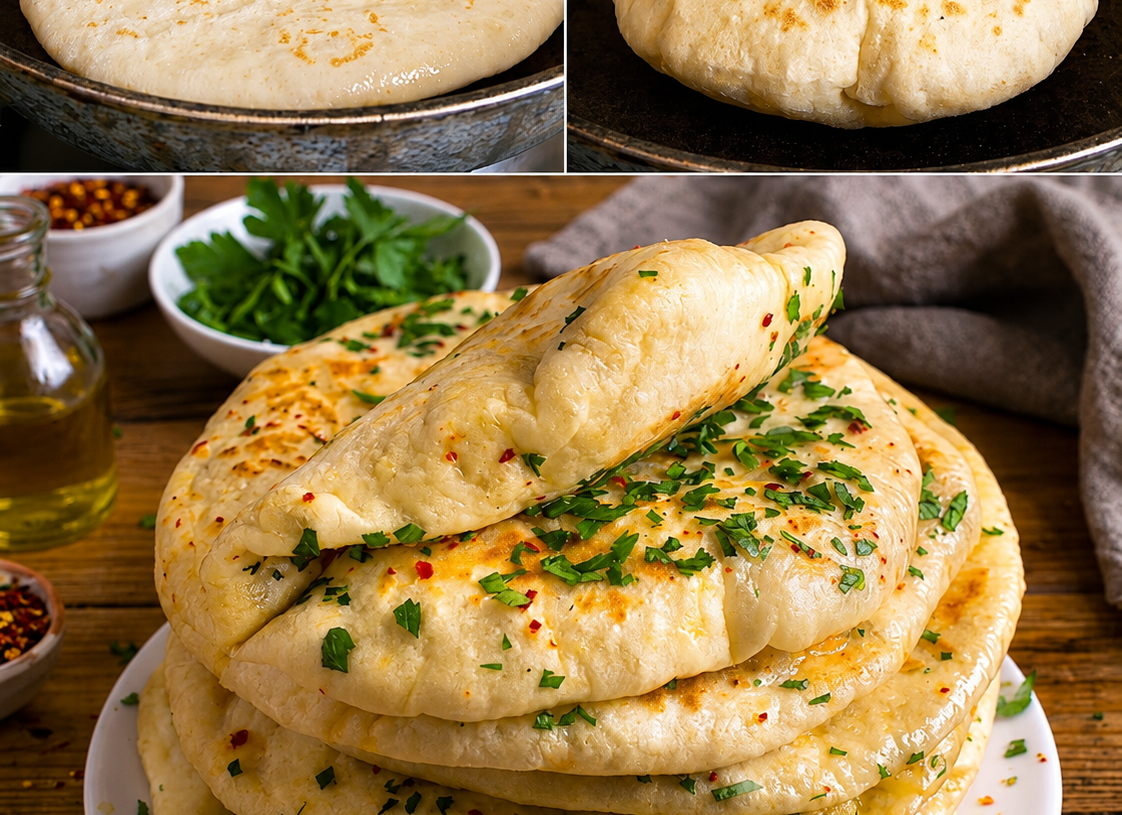
This High-Protein Turkish Flatbread is soft, pillowy, lightly chewy, and beautifully golden when cooked in a hot skillet. It has the satisfying texture of traditional Turkish-style flatbread while using a higher-protein, lower-carb ingredient combination.
Vital wheat gluten and unflavored whey protein help increase the protein content, while almond flour and oat fiber reduce the reliance on conventional wheat flour. Fresh parsley, olive oil, and optional red pepper flakes add a delicious savory finish.
It’s an excellent high-protein, lower-carb bread option for sandwiches, wraps, dipping, or serving alongside grilled meats and vegetables.
Can This Turkish Flatbread Support Weight Loss Goals?
This flatbread can fit into a weight-conscious eating pattern because it provides more protein per serving than many conventional flatbreads.
Protein can help make meals more satisfying, while the lower-carbohydrate formulation allows you to enjoy a bread-like side without using a large amount of traditional flour. Portion size and toppings still matter, since oils, sauces, cheese, and fillings can substantially increase calories.
Does This Recipe Fit a High-Protein Lifestyle?
Yes, this version is designed to provide a higher amount of protein while keeping net carbohydrates more moderate than traditional Turkish flatbread. Vital wheat gluten, whey protein, Greek yogurt, and egg contribute protein throughout the recipe. Each flatbread provides approximately 10g protein and 6g net carbs, depending on ingredient brands and final size. It works particularly well when paired with chicken, turkey, eggs, fish, or Greek yogurt-based dips.
Why This Recipe Is Special
- High-protein: Vital wheat gluten, whey protein, yogurt, and egg increase the protein content.
- Lower-carb: Almond flour and oat fiber replace much of the conventional flour.
- Soft and flexible: The yogurt and gluten help create a pliable flatbread.
- Skillet-friendly: No oven is required, making this an easy everyday bread.
- Versatile: Use it for wraps, dipping, sandwiches, or as a side for grilled foods.
My Personal Experience
- The texture is soft and flexible.
The yogurt helps keep the flatbread tender while the gluten provides enough structure.
It bends easily without immediately cracking when used as a wrap. - The skillet gives it beautiful toasted spots.
Cooking over medium-high heat creates golden-brown patches without requiring an oven.
Those lightly charred areas add extra flavor. - Fresh herbs make a noticeable difference.
Parsley and optional red pepper flakes give the bread a fresh Turkish-inspired finish.
A small brush of olive oil after cooking makes it even more aromatic. - It works especially well with protein-rich fillings.
Grilled chicken, turkey, eggs, tuna, or seasoned beef turn one flatbread into a satisfying meal.
Greek yogurt dip also adds extra protein without requiring a heavy sauce.
Perfect For
This Turkish flatbread is perfect for breakfast, lunch, weeknight dinners, meal prep, sandwiches, wraps, savory snacks, and lower-carb meal plans.
Serve it alongside grilled chicken, kebabs, eggs, roasted vegetables, or a protein-rich yogurt dip. It can also replace conventional pita or flatbread when you’re looking for a higher-protein option.
Why You’ll Love This Recipe
- No oven required
Everything cooks directly in a skillet, making this recipe convenient for everyday cooking.
The hot pan creates a beautifully browned exterior. - Protein-rich
Whey protein, vital wheat gluten, yogurt, and egg contribute to the protein content.
Pairing the flatbread with lean meat makes the overall meal even more protein-focused. - Soft enough for wraps
The dough remains flexible after cooking rather than becoming cracker-like.
This makes it ideal for chicken wraps and grilled vegetable sandwiches. - Lower in net carbs
Almond flour and oat fiber help reduce digestible carbohydrates compared with traditional flatbread.
The exact amount varies according to the ingredients and serving size. - Easy to customize
Add parsley, garlic, sesame seeds, nigella seeds, or red pepper flakes.
You can make the same basic flatbread work with savory breakfasts or dinners.
Common Mistakes to Avoid
- Making the skillet too hot — Excessive heat can burn the outside before the center cooks through.
- Rolling the dough too thin — Very thin dough can become dry and brittle instead of soft and flexible.
- Adding too much flour while shaping — Excess dry ingredients can make this protein-rich dough tough.
- Stacking uncovered flatbreads — Cover cooked flatbreads with a clean towel immediately so they retain moisture and remain pliable.
Required Equipment
- Large mixing bowl — Provides enough room to mix and hydrate the dough evenly.
- Digital kitchen scale — Helps measure low-carb ingredients accurately.
- Rolling pin — Makes it easier to create evenly sized flatbreads.
- Heavy skillet or cast-iron pan — Holds steady heat for consistent browning.
- Silicone spatula — Makes flipping the flatbreads easy without tearing them.
- Pastry brush — Helps distribute olive oil evenly without making the bread greasy.
Storage Instructions
Allow cooked flatbreads to cool completely before storing.
For refrigeration, stack them with small pieces of parchment between each flatbread and place them in an airtight container or zip-top bag. Refrigerate for up to 4–5 days.
For freezing, separate each flatbread with parchment paper and place them inside a freezer-safe bag. Remove as much air as possible before sealing.
They can be frozen for approximately 2 months for best quality.
To reheat, place one flatbread in a dry skillet over medium heat for 30–60 seconds per side, or microwave it for about 15–20 seconds before serving.
Recipe Details
Preparation Time: 20 minutes
Resting Time: 30 minutes
Cooking Time: 15 minutes
Total Time: 1 hour 5 minutes
Servings: 6 flatbreads
Best Season: All-season
Total Calories: Approximately 145 calories per flatbread
Nutrition values are approximate estimates and vary according to ingredient brands, dough thickness, and final flatbread size.
Short 3-Line Description
Soft, flexible, and golden, this high-protein Turkish flatbread is a delicious lower-carb alternative to traditional flatbread.
Greek yogurt, whey protein, vital wheat gluten, and egg provide protein while almond flour and oat fiber help reduce net carbs.
Serve it warm with grilled chicken, eggs, vegetables, or a creamy yogurt dip.
📝 Ingredients
For the Flatbread
- 1 cup (120 g) vital wheat gluten
- ½ cup (56 g) finely ground almond flour
- ¼ cup (25 g) unflavored whey protein isolate
- ¼ cup (15 g) oat fiber
- 1 tablespoon (8 g) psyllium husk powder
- ½ teaspoon baking powder
- ½ teaspoon salt
- ¾ cup (170 g) plain unsweetened Greek yogurt
- 1 large egg
- 2 tablespoons (30 ml) warm water, plus 1–2 tablespoons if needed
- 1 tablespoon (15 ml) extra-virgin olive oil
- 1 tablespoon finely chopped fresh parsley
- ½ teaspoon red pepper flakes, optional
- ¼ teaspoon garlic powder
For Cooking
- 1 tablespoon (15 ml) olive oil, divided as needed
Ingredient Notes
Use plain, unsweetened Greek yogurt rather than sweetened yogurt.
Unflavored whey protein is recommended because flavored protein powders can alter the taste significantly.
If your dough feels dry after resting, add warm water 1 teaspoon at a time rather than adding a large amount at once.
Directions
1. Combine the Dry Ingredients
Add vital wheat gluten, almond flour, whey protein, oat fiber, psyllium husk, baking powder, salt, and garlic powder to a large bowl.
Whisk for 30–45 seconds until evenly combined.
This prevents concentrated pockets of psyllium or protein powder.
2. Add the Wet Ingredients
Add the Greek yogurt, egg, olive oil, parsley, and red pepper flakes.
Mix with a sturdy spoon until a thick dough begins to form.
3. Hydrate the Dough
Add 2 tablespoons warm water and mix thoroughly.
Allow the dough to rest for 5 minutes.
The psyllium will absorb moisture and the dough should become more cohesive.
4. Knead Briefly
Knead the dough by hand for approximately 3–4 minutes.
You want a smooth, elastic dough that feels soft and slightly tacky.
High-protein tip: Avoid adding large amounts of extra flour because protein-rich dough can become tough when overloaded with dry ingredients.
5. Rest the Dough
Cover the dough with a clean towel or plastic wrap.
Let it rest at room temperature for approximately 25 minutes.
This resting period allows the gluten to relax, making the dough easier to roll.
6. Divide
Divide the dough into 6 equal portions.
Roll each portion into a ball.
Keep the unused dough covered while working with each piece so it doesn’t dry out.
7. Roll the Flatbreads
Lightly dust your work surface with a small amount of almond flour if necessary.
Roll each dough ball into a round approximately 6–7 inches wide and about ⅛ inch thick.
Don’t make them paper-thin because they need enough thickness to remain soft.
8. Preheat the Skillet
Place a heavy skillet over medium-high heat.
Allow it to preheat for approximately 2–3 minutes.
The pan should be hot enough that a tiny drop of water sizzles immediately.
9. Cook the First Side
Lightly brush the skillet with a small amount of olive oil.
Place one flatbread into the hot skillet.
Cook for approximately 60–90 seconds.
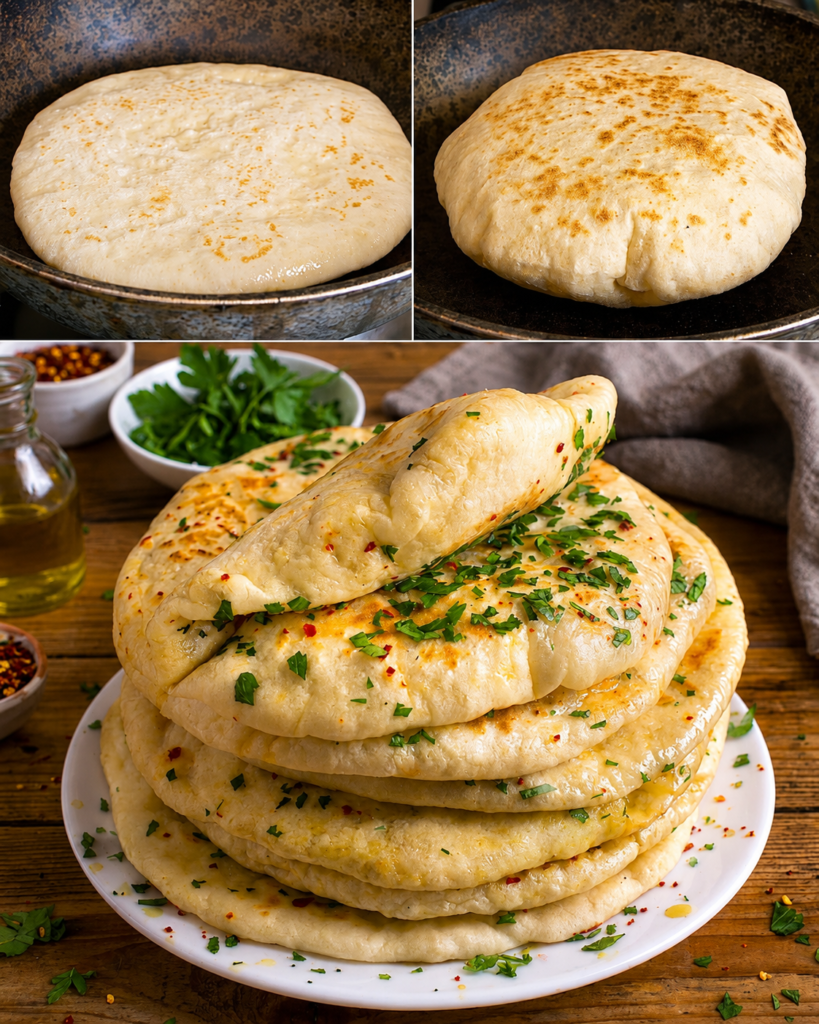
Look for small bubbles forming on the surface and golden-brown spots underneath.
10. Flip
Flip the flatbread using a spatula.
Cook the second side for another 45–75 seconds.
The surface should develop golden-brown toasted patches without becoming dark or burnt.
11. Keep Them Soft
Transfer each cooked flatbread to a plate and immediately cover it with a clean kitchen towel.
The trapped steam helps keep the flatbreads soft and flexible.
12. Finish
Continue cooking the remaining flatbreads.
Brush them lightly with olive oil and sprinkle with fresh parsley or red pepper flakes if desired.
For extra Turkish-inspired flavor, add a small pinch of sesame or nigella seeds.
13. Serve
Serve warm alongside grilled chicken, beef, shrimp, eggs, roasted vegetables, or Greek yogurt dip.
For a high-protein meal, fill one flatbread with grilled chicken and vegetables and finish with a spoonful of Greek yogurt sauce.
Nutrition Facts — Per Flatbread
Approximate values:
- Calories: 145 kcal
- Fat: 7 g
- Cholesterol: 40 mg
- Sodium: 255 mg
- Potassium: 115 mg
- Total Carbohydrates: 10 g
- Fiber: 4 g
- Net Carbs: 6 g
- Sugars: 2 g
- Protein: 10 g
- Calcium: 55 mg
Nutrition is an approximate estimate. Values can vary considerably depending on the brands of whey protein, yogurt, almond flour, and vital wheat gluten used.
Notes
- For softer flatbreads: Keep cooked pieces covered with a clean towel while finishing the batch.
- For more flavor: Add minced garlic, parsley, oregano, sesame seeds, or nigella seeds.
- For heat: Increase the red pepper flakes or add Aleppo pepper.
- For meal prep: Cook the entire batch, cool completely, and refrigerate or freeze individually.
- Reheating: A dry skillet is the best option for restoring a freshly cooked texture.
- Allergy note: This recipe contains wheat/gluten, dairy, egg, and almonds.
- Gluten-free: This particular formulation is not gluten-free because vital wheat gluten provides important structure.
- Dairy-free: Use an appropriate unsweetened dairy-free yogurt and dairy-free protein powder, but expect some texture differences.
- Serving idea: Pair with grilled chicken, turkey, lean beef, shrimp, eggs, or Greek yogurt dip for additional protein.
- Diabetes-conscious note: This is a lower-carb formulation, not a medically prescribed diabetes diet food; carbohydrate needs and glucose responses vary from person to person.
Frequently Asked Questions
1. Is Turkish flatbread traditionally low-carb?
Traditional Turkish flatbreads are generally made with wheat flour and are substantially higher in carbohydrates than this modified version.
2. Is this flatbread high in protein?
Yes, this recipe provides approximately 10g of protein per flatbread, depending on the ingredients used.
3. Can I make these without whey protein?
You can experiment with omitting it, but the protein content and texture will change, so a direct one-to-one replacement is not recommended.
4. Can I freeze Turkish flatbread?
Yes, separate cooled flatbreads with parchment paper and freeze them in an airtight freezer bag for up to approximately 2 months.
5. Why are my flatbreads tough?
Over-kneading, excessive dry ingredients, rolling them too thin, or cooking them too long can all make protein-rich flatbreads tough.
6. What should I serve with this flatbread?
Grilled chicken, kebabs, eggs, shrimp, roasted vegetables, hummus in a controlled portion, or a protein-rich Greek yogurt dip all pair particularly well with it.
Diabetes-conscious note: “Diabetic-friendly” is best understood here as lower-carb and carbohydrate-conscious, rather than as a guarantee that the recipe is appropriate for every person with diabetes.