
Description
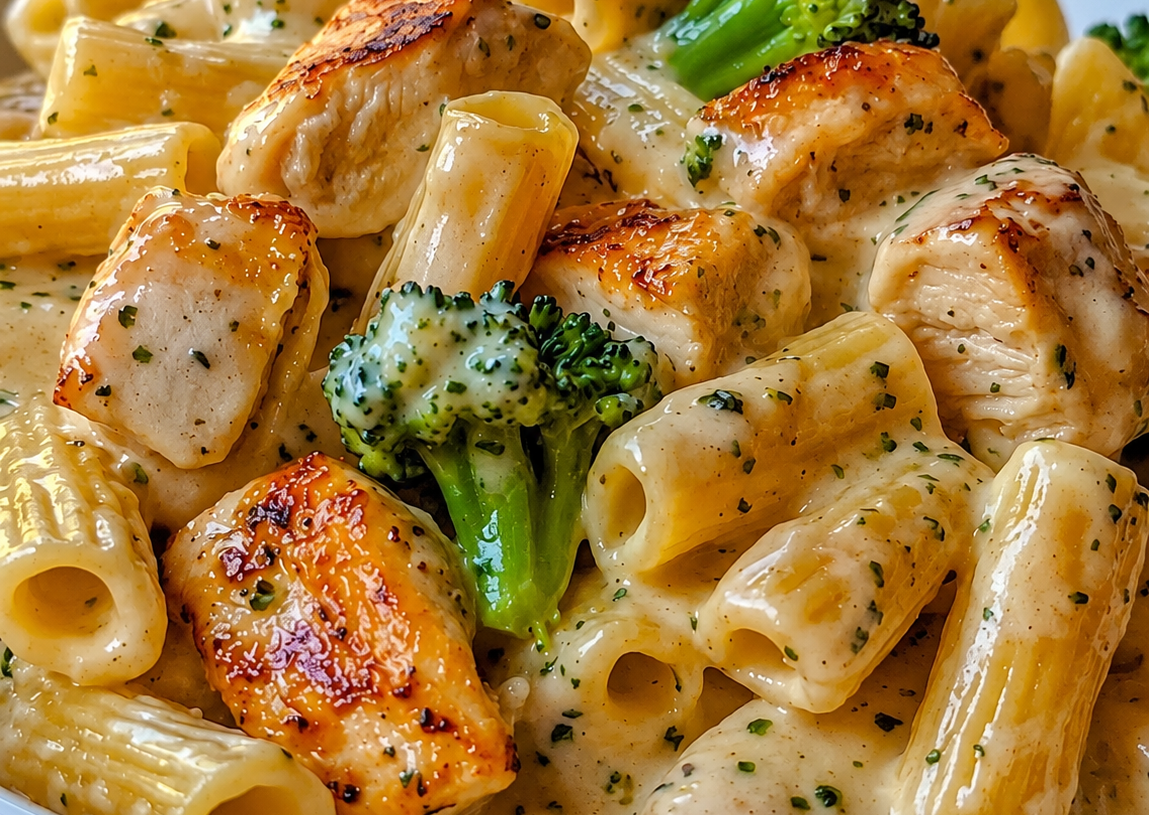
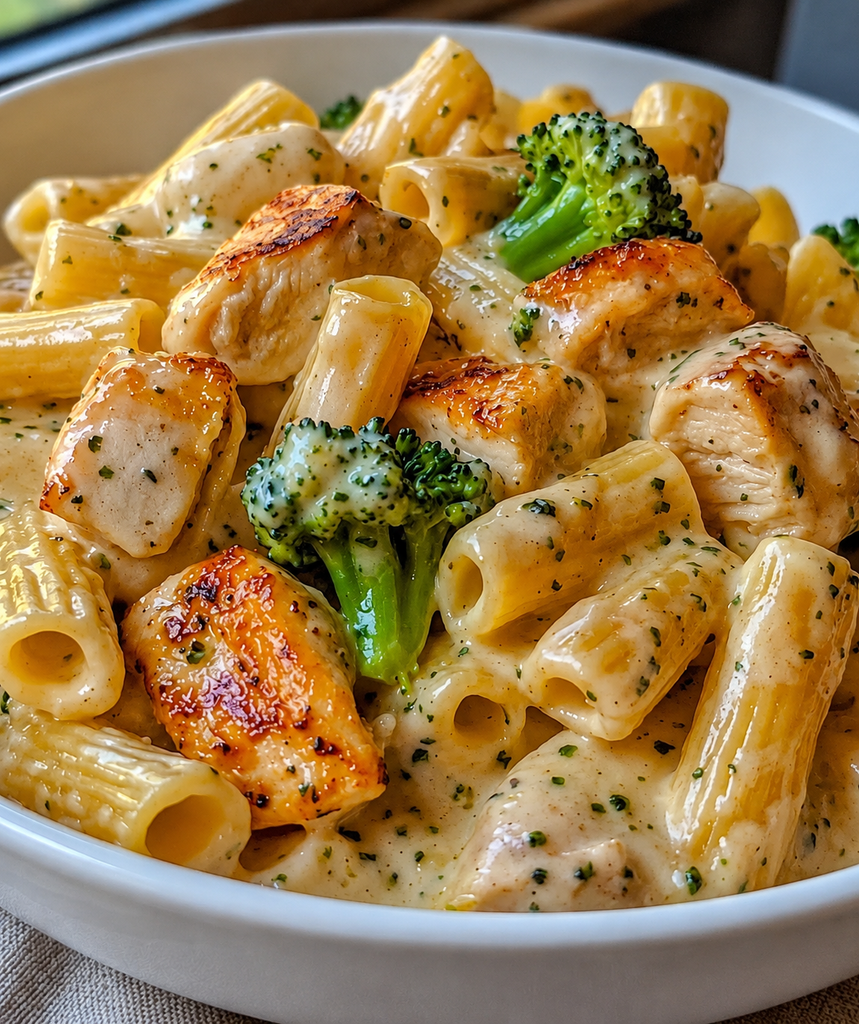
This creamy chicken and broccoli pasta combines tender, protein-rich chicken, crisp-tender broccoli, and a silky garlic Parmesan sauce for a comforting meal that feels indulgent while remaining balanced. Using whole-wheat or higher-protein pasta adds fiber and protein, while broccoli brings volume and nutrients with relatively few carbohydrates.
It is an excellent option when you’re looking for a high-protein, diabetes-friendly pasta recipe that can fit into a balanced eating pattern. The creamy sauce, savory chicken, and Parmesan create plenty of flavor without relying on excessive added sugar.
Can This Creamy Chicken and Broccoli Pasta Support Weight Loss Goals?
Yes, this recipe can fit into weight-conscious eating when served in an appropriate portion. Chicken provides filling protein, while broccoli adds volume and fiber, helping make the meal satisfying. Choosing whole-wheat or higher-protein pasta and keeping the creamy sauce portion reasonable can create a more balanced combination of protein, carbohydrates, and fats. Weight-loss results depend on overall food intake and lifestyle rather than one individual recipe.
Does Creamy Chicken and Broccoli Pasta Fit a High-Protein Lifestyle?
Yes, this pasta is designed around lean chicken breast, Parmesan cheese, broccoli, and higher-protein pasta, making it substantially more protein-focused than traditional creamy pasta. Using whole-wheat or legume-based pasta can also increase fiber and protein while helping keep portions of refined carbohydrates lower. The approximate net carbs are moderate rather than very low, so portion size matters. For an even lower-carb version, reduce the pasta and increase the chicken and broccoli.
Why This Recipe Is Special
- High-protein: Chicken breast and Parmesan provide a substantial protein foundation.
- Diabetes-friendly approach: Fiber-rich broccoli and a higher-fiber pasta option help create a more balanced meal.
- Creamy without being overly complicated: A simple Parmesan-based sauce delivers rich flavor.
- Quick weeknight dinner: Most of the meal comes together in one skillet after the pasta is cooked.
- Meal-prep friendly: It reheats well with a small splash of milk or broth.
My Personal Experience
- The chicken stays wonderfully tender: I like cutting the chicken into bite-sized pieces so every forkful gets a little savory, seasoned chicken.
It also helps distribute the protein evenly throughout the pasta instead of leaving large pieces at the bottom of the bowl. - Broccoli adds the perfect contrast: The creamy sauce becomes much more enjoyable with crisp-tender broccoli mixed throughout.
I prefer cooking it until bright green and just tender rather than making it soft and mushy. - The Parmesan makes the sauce flavorful: Freshly grated Parmesan gives the sauce a naturally savory, cheesy character.
It means you don’t need a large amount of heavy cream to make the dish taste satisfying. - It works especially well for leftovers: The flavors become even more blended after resting in the refrigerator.
A splash of milk or broth while reheating brings the creamy texture back without needing to remake the sauce.
Perfect For
This recipe is ideal for busy weeknights, family dinners, meal prep, lunch leftovers, and balanced high-protein meal plans. It is also a useful option when you’re craving creamy pasta but want to include lean protein and vegetables in the same dish. For a diabetes-friendly eating pattern, serve a measured portion alongside additional non-starchy vegetables if desired.
Why You’ll Love This Recipe
- Creamy and comforting: The garlic-Parmesan sauce coats the pasta beautifully without overpowering the chicken or broccoli.
It delivers the cozy flavor of classic creamy pasta in a more balanced format. - Packed with protein: Chicken breast provides lean protein while Parmesan contributes additional protein and richness.
Using higher-protein pasta can increase the protein content even further. - Broccoli makes it more satisfying: Tender broccoli adds fiber, texture, color, and volume to every serving.
It also keeps the dish from feeling like a bowl of pasta covered entirely in sauce. - Easy to customize: You can use whole-wheat, chickpea, lentil, or another higher-protein pasta depending on your nutritional goals.
The sauce also works with extra vegetables such as spinach, mushrooms, or zucchini. - Great for meal prep: Individual portions can be refrigerated and reheated for quick lunches or dinners.
The recipe remains protein-focused while making busy-day meals much easier.
Common Mistakes to Avoid
- Overcooking the chicken: Cooking chicken too long can make it dry and chewy. Cook just until it reaches 165°F/74°C internally.
- Overcooking the broccoli: Very soft broccoli can become watery and lose its pleasant texture. Aim for bright green, fork-tender florets.
- Boiling the cream sauce: High heat can cause dairy-based sauces to separate. Keep the skillet over low to medium-low heat.
- Using too much pasta: A large pasta portion can significantly increase carbohydrates. Measure portions and increase chicken or broccoli for extra volume.
Required Equipment
- Large pot — provides enough space to cook the pasta evenly.
- Large non-stick skillet — helps brown the chicken and build the sauce in one pan.
- Colander — makes draining the pasta quick and easy.
- Sharp knife — makes cutting chicken and broccoli into uniform pieces easier.
- Measuring cups and spoons — help maintain consistent portions and nutrition estimates.
- Instant-read thermometer — confirms the chicken has safely reached 165°F/74°C.
Storage Instructions
Store leftovers in an airtight glass or BPA-free food-storage container and refrigerate within about 2 hours of cooking. Properly refrigerated leftovers are best enjoyed within 3–4 days.
For freezing, place completely cooled portions into freezer-safe airtight containers or freezer bags, removing as much excess air as possible. Freeze for up to 2 months for best quality. The broccoli and creamy sauce may soften slightly after thawing.
Reheat refrigerated portions gently in the microwave or in a skillet over low heat. Add 1–2 tablespoons of milk or low-sodium broth to loosen the sauce. For best texture, thaw frozen portions overnight in the refrigerator before reheating.
Recipe Details
- Preparation Time: 15 minutes
- Cooking Time: 25 minutes
- Total Time: 40 minutes
- Servings: 6
- Best Season: All-season
- Total Calories: Approximately 455 calories per serving
Short 3-Line Description
Tender chicken, broccoli, and wholesome pasta come together in a creamy garlic-Parmesan sauce.
This high-protein pasta dinner balances comforting flavors with fiber-rich vegetables.
A satisfying option for a diabetes-friendly, portion-conscious meal plan.
📝 Ingredients
- 12 oz (340 g) whole-wheat or higher-protein pasta
- 1½ lb (680 g) boneless, skinless chicken breasts, cut into bite-sized pieces
- 4 cups (about 300 g) broccoli florets
- 1 tablespoon olive oil
- 4 cloves garlic, finely minced
- 1 cup (240 ml) low-fat milk
- ½ cup (120 ml) low-sodium chicken broth
- ½ cup (50 g) freshly grated Parmesan cheese
- ¼ cup (60 g) light cream cheese
- 1 teaspoon Italian seasoning
- ½ teaspoon onion powder
- ½ teaspoon black pepper
- ¼ teaspoon salt, or to taste
- ¼ teaspoon red pepper flakes, optional
- 1 tablespoon fresh lemon juice
- 2 tablespoons chopped fresh parsley, optional
Ingredient note: For a higher-protein and more fiber-conscious version, choose pasta made from chickpeas, lentils, or another higher-protein grain/legume blend. Check the package carbohydrate information because brands vary considerably.
Directions
- Boil the pasta.
Bring a large pot of water to a boil over high heat. Add the pasta and cook according to package directions until al dente. Reserve about ½ cup pasta water, then drain. - Blanch the broccoli.
During the final 2–3 minutes of pasta cooking, add the broccoli florets to the pasta water. Cook until they become bright green and fork-tender, then drain with the pasta. - Season the chicken.
Pat the chicken pieces dry and season with Italian seasoning, onion powder, black pepper, and a small amount of salt. - Brown the chicken.
Heat olive oil in a large non-stick skillet over medium-high heat. Add chicken in a single layer and cook for approximately 6–8 minutes, turning occasionally, until golden on the outside and the center reaches 165°F/74°C. - Add the garlic.
Reduce heat to medium. Add minced garlic and optional red pepper flakes. Cook for approximately 30–60 seconds, stirring constantly, until fragrant. Avoid browning the garlic heavily. - Build the creamy sauce.
Reduce heat to medium-low. Pour in the milk and chicken broth, then add the cream cheese. Stir continuously for about 2–3 minutes, until the cream cheese melts and the sauce becomes smooth. - Add Parmesan.
Stir in the Parmesan gradually. Continue cooking over low heat for another 1–2 minutes until the sauce becomes creamy and lightly thickened. Do not allow it to boil. - Combine everything.
Add the cooked pasta and broccoli to the skillet. Toss gently for 2–3 minutes until the sauce evenly coats the pasta and chicken. - Adjust the consistency.
If the sauce looks too thick, add reserved pasta water 1 tablespoon at a time until it reaches a smooth, silky consistency. - Finish with lemon and parsley.
Turn off the heat and stir in lemon juice. Sprinkle with fresh parsley and taste for seasoning. - Serve immediately.
Divide into 6 measured portions. For a more carbohydrate-conscious plate, serve the pasta with an additional side of non-starchy vegetables rather than increasing the pasta portion.
High-Protein Cooking Tips
- Use chicken breast as the primary protein source and avoid overcrowding the skillet so it browns instead of steaming.
- Choose higher-protein pasta when available to increase protein without simply adding more meat.
- Increase broccoli rather than pasta if you want more volume with fewer additional carbohydrates.
- Freshly grated Parmesan melts more smoothly and provides strong flavor with a relatively small amount.
- Measure pasta portions because even nutritious pasta contributes carbohydrates.
Nutrition Facts
Per Serving — Approximate; calculated using whole-wheat pasta and the listed ingredients
- Calories: 455 kcal
- Fat: 13 g
- Cholesterol: 100 mg
- Sodium: 510 mg
- Potassium: 780 mg
- Total Carbohydrates: 48 g
- Fiber: 7 g
- Net Carbs: 41 g
- Sugars: 7 g
- Protein: 40 g
- Calcium: 230 mg
Nutrition values are estimates and can vary depending on the pasta, dairy products, chicken size, brands, and exact portion sizes used.
Notes
- Storage: Refrigerate leftovers in airtight containers for up to 3–4 days.
- Freezing: Freeze individual portions for up to about 2 months for best quality.
- Reheating: Add a splash of milk or low-sodium broth and reheat gently over low heat or in short microwave intervals.
- Allergy notes: Contains milk/dairy and wheat when traditional whole-wheat pasta is used. Choose suitable alternatives if needed.
- Gluten-free: Use certified gluten-free higher-protein pasta and verify all packaged ingredients.
- Flavor boost: Add fresh parsley, lemon zest, cracked black pepper, or a small pinch of red pepper flakes.
- Lower-carb option: Reduce the pasta portion and increase broccoli and chicken, or substitute a suitable low-carb/higher-protein pasta.
- Diabetes-friendly portioning: The recipe is not carbohydrate-free, so portion size and the specific pasta used matter.
Frequently Asked Questions
1. Can I make this recipe with regular pasta?
Yes, but regular pasta may provide less fiber and protein, so whole-wheat or higher-protein pasta is preferable for the recipe’s nutritional goals.
2. Can I use chicken thighs instead of chicken breast?
Yes, boneless skinless chicken thighs work well but will generally increase the fat and calorie content.
3. How can I make this pasta lower in carbohydrates?
Use a lower-carb pasta alternative, reduce the pasta quantity, and increase the chicken and broccoli.
4. Can I add more vegetables?
Absolutely—spinach, mushrooms, zucchini, or cauliflower can add volume and nutrients without requiring much additional pasta.
5. Why did my creamy sauce become too thick?
Add reserved pasta water, milk, or low-sodium broth one tablespoon at a time while gently stirring over low heat.
6. Is this recipe suitable for meal prep?
Yes, portion it into airtight containers, refrigerate for 3–4 days, and reheat gently with a small splash of milk or broth.