
Description
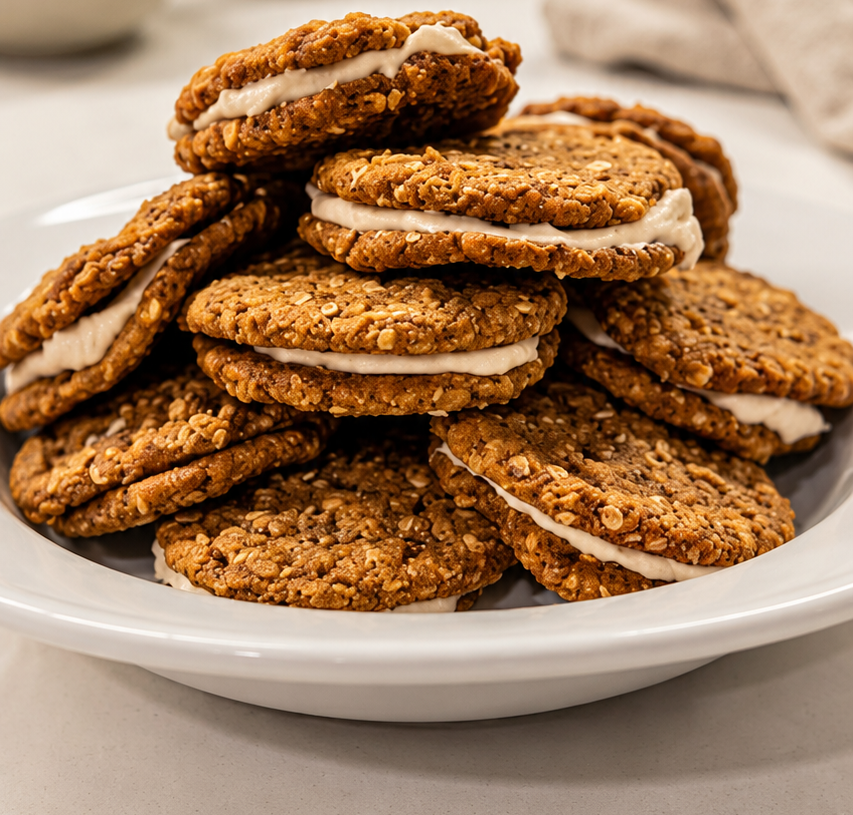
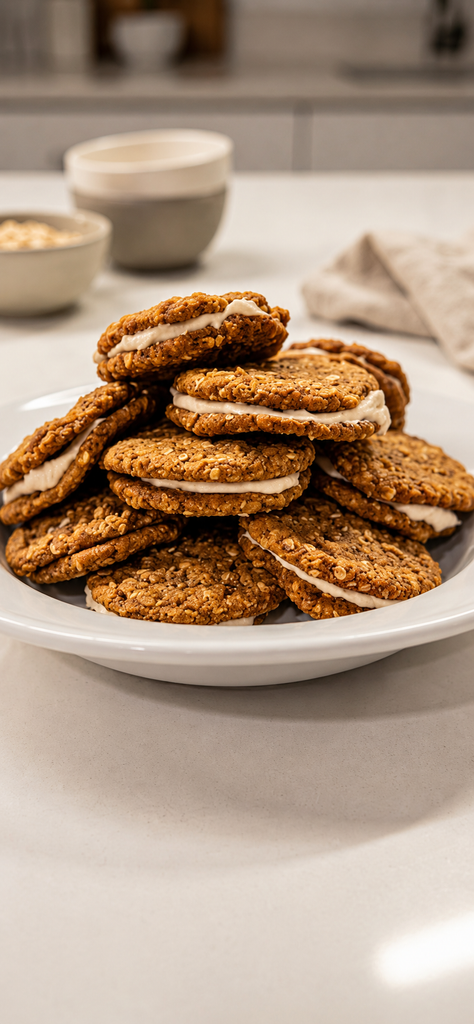
These homemade Oatmeal Cream Pies feature soft, chewy oatmeal cookies sandwiched around a smooth, creamy vanilla filling. Cinnamon and vanilla give the cookies that nostalgic bakery-style flavor, while a protein-enriched filling makes this version more suitable for a high-protein lifestyle.
Using oat fiber, almond flour, Greek yogurt, and protein powder helps create a lower-carb alternative to traditional oatmeal cream pies. They’re sweet, satisfying, and perfect when you want a portion-controlled dessert without relying on traditional refined sugar.
Can These Oatmeal Cream Pies Support Weight Loss Goals?
They can fit into a weight-conscious eating pattern when enjoyed in appropriate portions. The protein powder and Greek yogurt add protein to the filling, while almond flour and oat fiber provide structure and some fiber. Because nut-based ingredients and sweeteners can still contribute calories, portion size remains important.
Do Oatmeal Cream Pies Fit a High-Protein Lifestyle?
This recipe is designed to be more protein-friendly than traditional oatmeal cream pies by incorporating vanilla protein powder and Greek yogurt into the filling. Oat fiber and almond flour help reduce the reliance on traditional flour while keeping the cookies pleasantly chewy. Each sandwich contains approximately 8 g protein and 5 g net carbs, depending on the brands and sweeteners used. They work best as a small dessert or snack within an overall balanced high-protein eating pattern.
Why This Recipe is Special
- Protein-enhanced: Greek yogurt and protein powder add protein to the creamy filling.
- Lower-carb friendly: Oat fiber and almond flour help reduce the carbohydrate load.
- Soft and chewy: The cookies are designed to stay tender rather than becoming crunchy.
- Nostalgic flavor: Cinnamon, vanilla, and oats recreate the classic oatmeal-cookie profile.
- Portion-friendly: Individual sandwich cookies make it easy to enjoy a measured dessert.
My Personal Experience
- The cinnamon makes these cookies smell amazing while baking.
It gives the oatmeal cookies a warm, comforting aroma.
Combined with vanilla, it creates a classic homemade-cookie flavor. - The cookies stay pleasantly soft.
The Greek yogurt and carefully measured wet ingredients help maintain tenderness.
This makes them especially good for sandwiching with the creamy filling. - The filling provides a nice contrast.
The soft vanilla cream sits between the slightly chewy oatmeal cookies beautifully.
A short chill helps the filling become thicker and easier to handle. - They taste even better after resting.
Once assembled, the filling slightly softens the cookie edges.
This creates the familiar soft texture associated with oatmeal cream pies. - The individual portions are convenient.
Each sandwich can be wrapped separately for an easy grab-and-go snack.
They also make a nice addition to a dessert platter.
Perfect For
These oatmeal cream pies are ideal for snacks, lunchbox treats, weekend baking, afternoon coffee, family desserts, meal-prep snacks, holiday cookie trays, and lower-carb dessert plans. They are especially useful when you want a homemade alternative to packaged cream-filled cookies.
Why You’ll Love This Recipe
- Soft oatmeal-cookie texture:
The cookies are tender and chewy rather than dry or hard.
This makes them perfect for holding the creamy center. - Creamy vanilla filling:
The filling has a smooth, lightly sweet vanilla flavor.
It complements the cinnamon oatmeal cookies without overpowering them. - Protein-friendly:
Vanilla protein powder and Greek yogurt increase the protein content.
This gives the dessert a more substantial nutritional profile than conventional versions. - Lower-carb approach:
Oat fiber and almond flour replace much of the traditional flour.
A suitable sugar alternative also keeps added sugar very low. - Make-ahead friendly:
The assembled cookies can be chilled and stored for several days.
Their texture becomes especially soft and cohesive after resting.
Common Mistakes to Avoid
- Making the cookies too large: Larger cookies require longer baking and can become dry before the centers set.
- Overbaking: Remove them when the edges are set but the centers still look slightly soft.
- Making the filling too thin: Add the milk gradually so the cream remains thick enough to sandwich between the cookies.
- Assembling while cookies are hot: Allow the cookies to cool completely or the filling may melt and slide out.
Required Equipment
- Baking sheets — provide a flat surface for evenly shaped cookies.
- Parchment paper — prevents sticking and makes cleanup easier.
- Mixing bowls — keep the cookie dough and filling easy to prepare separately.
- Electric hand mixer — creates a smooth, fluffy cream filling.
- Cookie scoop — helps produce evenly sized sandwich cookies.
- Wire cooling rack — prevents the cookie bottoms from becoming soggy while cooling.
Storage Instructions
Place assembled oatmeal cream pies in an airtight container, separating layers with parchment paper.
- Refrigerator: Store for up to 5 days.
- Freezer: Freeze assembled or unfilled cookies for up to 2 months in a freezer-safe airtight container.
- Best freezer method: Freeze cookies individually first, then transfer them to a freezer bag or container.
- Thawing: Thaw in the refrigerator for several hours or overnight.
- Serving: Let refrigerated cookies sit at room temperature for about 10 minutes for a softer filling.
For the best texture, freeze the cookies without filling and prepare fresh filling after thawing.
Recipe Details
Preparation Time: 25 minutes
Cooking Time: 10–12 minutes
Cooling Time: 20 minutes
Total Time: Approximately 55 minutes
Servings: 12 sandwich cookies
Best Season: All-season
Total Calories: Approximately 155 calories per sandwich, depending on the exact ingredients and sweeteners used.
Short 3-Line Description
Soft cinnamon oatmeal cookies sandwich a creamy vanilla protein filling.
Almond flour, oat fiber, Greek yogurt, and protein powder create a lower-carb, protein-friendly twist.
They’re perfect for snacks, coffee breaks, and portion-controlled desserts.
📝 Ingredients
Oatmeal Cookies
- 1 cup (100 g) almond flour
- ½ cup (45 g) oat fiber
- ¼ cup (25 g) finely ground rolled oats
- ½ cup (95 g) granulated allulose or monk-fruit/erythritol blend
- 1 teaspoon ground cinnamon
- ½ teaspoon baking soda
- ¼ teaspoon salt
- 4 tablespoons (56 g) unsalted butter, softened
- 1 large egg
- 2 tablespoons (30 g) plain Greek yogurt
- 1 teaspoon vanilla extract
- 1–2 tablespoons unsweetened almond milk, only if needed
Protein Vanilla Cream Filling
- ½ cup (113 g) plain Greek yogurt
- ½ cup (56 g) vanilla whey protein powder
- 2 tablespoons (28 g) softened cream cheese
- 2 tablespoons powdered allulose or powdered erythritol
- 1 teaspoon vanilla extract
- 1–2 teaspoons unsweetened almond milk, as needed
Ingredient notes:
Oat fiber is very absorbent, so add almond milk gradually. For the best texture, use a finely ground oat fiber and a protein powder that mixes smoothly. If using regular rolled oats instead of finely ground oats, the cookies will have a more noticeable oat texture and slightly different carbohydrate values.
Directions
- Preheat the oven.
Heat the oven to 350°F (175°C). Line two baking sheets with parchment paper. - Combine the dry ingredients.
In a medium bowl, whisk together almond flour, oat fiber, ground oats, sweetener, cinnamon, baking soda, and salt. - Cream the butter and sweetener.
In another bowl, beat the softened butter and sweetener on medium speed for 1–2 minutes until creamy. - Add the wet ingredients.
Beat in the egg, Greek yogurt, and vanilla until smooth. - Make the dough.
Gradually add the dry mixture to the wet mixture. Mix on low speed just until combined. The dough should be soft but scoopable. - Adjust the texture.
If the dough appears unusually dry, add almond milk 1 teaspoon at a time. Do not add too much liquid because the cookies should hold their shape. - Portion the cookies.
Scoop approximately 1½ tablespoons of dough for each cookie. Place them several inches apart on the prepared baking sheets. - Flatten gently.
Lightly press each mound with your fingers or the bottom of a glass. Aim for cookies about ¼ inch thick. - Bake.
Bake at 350°F (175°C) for 10–12 minutes. The edges should be set and lightly golden while the centers remain slightly soft. - Cool completely.
Leave the cookies on the baking sheet for 5 minutes, then transfer them to a wire rack. Cool completely before filling. - Prepare the filling.
Beat Greek yogurt, protein powder, cream cheese, powdered sweetener, and vanilla on medium speed for 1–2 minutes until smooth and creamy. - Adjust the filling.
Add almond milk ½ teaspoon at a time if necessary. The finished cream should be thick enough to hold its shape. - Assemble the sandwiches.
Spread or pipe approximately 1 tablespoon of filling onto the flat side of one cookie. Place another cookie on top and gently press until the filling reaches the edges. - Chill.
Refrigerate the assembled oatmeal cream pies for 20–30 minutes to firm the filling. - Serve.
Serve chilled or allow them to sit at room temperature for approximately 10 minutes for a softer, creamier center.
High-protein cooking tip: Avoid adding excessive protein powder to the cookie dough. Protein powder absorbs moisture quickly and can make oatmeal cookies tough or dry; keeping most of the protein powder in the filling gives a better texture.
Nutrition Facts — Per Sandwich, Approximate
| Nutrient | Amount |
|---|---|
| Calories | ~155 kcal |
| Fats | ~11 g |
| Cholesterol | ~30 mg |
| Sodium | ~120 mg |
| Potassium | ~115 mg |
| Total Carbohydrates | ~9 g |
| Fiber | ~4 g |
| Net Carbs | ~5 g |
| Sugars | ~2 g |
| Protein | ~8 g |
| Calcium | ~65 mg |
Nutrition values are approximate. Actual amounts vary according to the protein powder, almond flour, sweetener, yogurt, and cream cheese used. Allulose and sugar alcohols may be calculated differently on different nutrition labels.
Notes
- Storage: Keep assembled cookies refrigerated in an airtight container for up to 5 days.
- Freezing: Freeze unfilled cookies for up to 2 months for the best texture.
- Reheating: These cookies do not need reheating; allow refrigerated cookies to sit at room temperature briefly before serving.
- Allergy note: Contains almonds, dairy, eggs, and whey. Oat products can also have cross-contact with gluten depending on the brand.
- Gluten-free option: Use certified gluten-free oat ingredients and check all packaged ingredients for gluten.
- Flavor boost: Add a pinch of nutmeg or ¼ teaspoon maple extract to the cookie dough.
- Extra texture: A tablespoon of finely chopped pecans can be added to the dough.
- Sweeter filling: Increase the powdered sweetener slightly according to your preferred sweetness.
- Diabetic-friendly note: This recipe is designed to be lower in traditional sugar and carbohydrates, but it is not carbohydrate-free. Individual carbohydrate needs and portion sizes should still be considered.
Frequently Asked Questions
1. Are oatmeal cream pies diabetic-friendly?
This lower-sugar, lower-carb version may fit some diabetes-conscious eating patterns, but individual carbohydrate requirements vary.
2. Can I use regular oats?
Yes, but regular oats will increase the carbohydrate content and produce a more traditional chewy oat texture.
3. Can I make these without protein powder?
Yes, but the filling will contain substantially less protein and may need additional powdered sweetener or cream cheese for the desired consistency.
4. Why did my cookies turn out hard?
They were likely overbaked, so remove them when the edges are set while the centers still appear slightly soft.
5. Can I use coconut flour instead of oat fiber?
Not as a direct one-to-one substitution because coconut flour absorbs liquid differently and can make the cookies dry.
6. Can I prepare the cookies ahead of time?
Yes, bake the cookies a day ahead and store them airtight, then fill and assemble them when you’re ready to serve.