
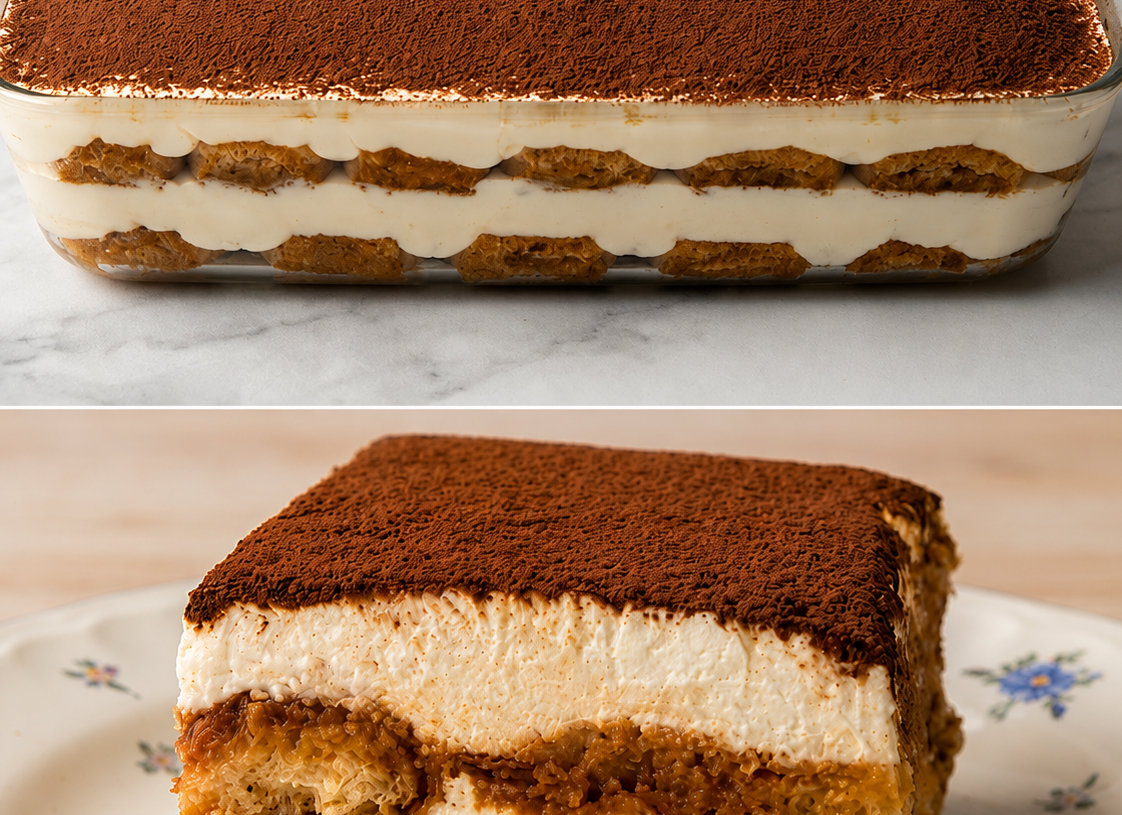
Description
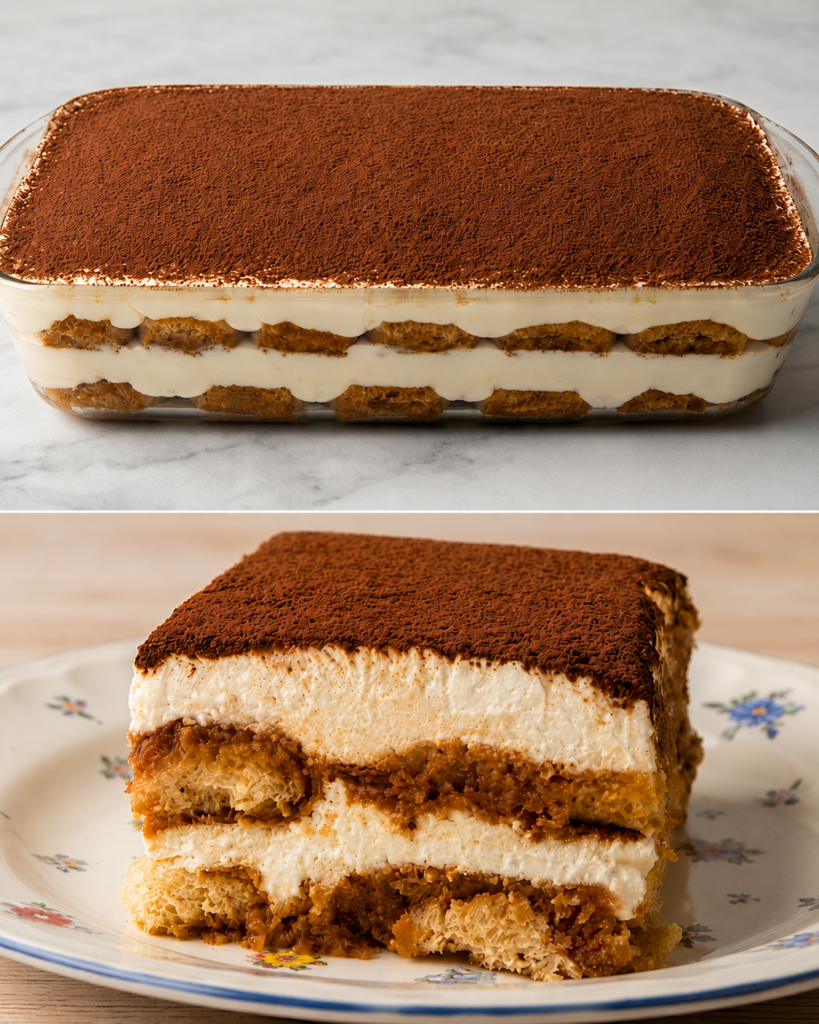
Classic Homemade Tiramisu is a wonderfully creamy Italian-inspired dessert made with espresso-soaked ladyfingers, rich mascarpone cream, and a generous dusting of unsweetened cocoa powder. Each bite combines bold coffee flavor with a soft, delicate texture and luxurious creaminess.
This easy homemade tiramisu is perfect when you want an impressive make-ahead dessert without complicated baking. The eggs and mascarpone provide protein, while strong espresso and cocoa add plenty of flavor without needing excessive decoration or toppings.
For those following a balanced or high-protein lifestyle, tiramisu can be enjoyed as an occasional dessert alongside protein-rich meals. It is not naturally a low-carb dessert because traditional ladyfingers and sugar contribute most of the carbohydrates, but simple ingredient swaps can create a lower-carb, higher-protein version.
Can This Classic Homemade Tiramisu Support Weight Loss Goals?
Classic Homemade Tiramisu can fit into a balanced eating pattern when enjoyed in an appropriate portion. The mascarpone and eggs contribute protein and fat, which help make the dessert satisfying, while coffee and cocoa provide intense flavor without requiring large amounts of additional ingredients. However, traditional tiramisu also contains sugar and ladyfingers, making it relatively calorie- and carbohydrate-dense. For weight-management goals, portion size and the overall balance of the day’s meals are more important than labeling one dessert as inherently weight-loss-friendly.
Does Classic Homemade Tiramisu Fit a High-Protein Lifestyle?
Classic tiramisu provides a moderate amount of protein from eggs and mascarpone, but it is not considered a high-protein dessert by itself. Traditional ladyfingers and sugar contribute most of its net carbohydrates, so the classic version is not particularly low-carb. For a more protein-focused option, part of the mascarpone can be replaced with strained Greek yogurt or blended cottage cheese. This keeps the creamy texture while increasing protein and reducing some of the richness.
Why This Recipe Is Special
- Creamy and luxurious: Mascarpone creates the signature silky filling associated with traditional tiramisu.
- Bold coffee flavor: Espresso-soaked ladyfingers bring a rich coffee taste to every layer.
- No complicated decorating: A simple cocoa topping gives the finished dessert an elegant appearance.
- Make-ahead friendly: Chilling allows the flavors to blend and the layers to soften beautifully.
- Protein-containing dessert: Eggs and mascarpone add protein while creating a rich, satisfying texture.
My Personal Experience
- The espresso makes the difference.
I love using strong, freshly brewed espresso because it gives the ladyfingers a deep coffee flavor without making the dessert taste overly sweet. - The chilling time improves the texture.
After several hours in the refrigerator, the cream becomes beautifully set while the ladyfingers soften into a tender, cake-like layer. - The cocoa balances the sweetness.
A generous layer of unsweetened cocoa powder adds gentle bitterness that complements the mascarpone and coffee. - Thin layers create the best bite.
Keeping the ladyfingers and mascarpone cream evenly distributed gives every serving a balanced combination of coffee, cream, and cocoa. - It is an excellent make-ahead dessert.
Preparing tiramisu the day before serving makes entertaining easier and gives the flavors plenty of time to develop.
Perfect For
Classic Homemade Tiramisu is ideal for dinner parties, birthdays, holidays, date nights, family gatherings, Italian-themed dinners, and weekend desserts. Because it needs several hours to chill, it is especially convenient for meal planning and entertaining.
It is also a lovely choice when you want a dessert that looks elegant without requiring complicated pastry skills. For a high-protein meal plan, serve a smaller portion after a protein-rich main meal rather than treating the dessert itself as the primary protein source.
Why You’ll Love This Recipe
- Rich coffee flavor
Strong espresso gives the soft ladyfingers a deep, aromatic flavor that pairs beautifully with mascarpone. - Ultra-creamy filling
The mascarpone mixture is smooth, airy, and rich without needing complicated pastry techniques. - Beautiful make-ahead dessert
Tiramisu actually benefits from refrigeration, making it perfect for preparing ahead of time. - Simple ingredient list
You only need a handful of familiar ingredients to create an impressive dessert. - Perfectly balanced sweetness
Coffee and unsweetened cocoa help balance the sweetness of the mascarpone filling and ladyfingers.
Common Mistakes to Avoid
- Over-soaking the ladyfingers — Dip them quickly in espresso; soaking them too long can make the finished tiramisu watery and difficult to slice.
- Using hot coffee — Allow the espresso to cool before dipping the cookies so they do not become excessively soft.
- Overmixing the mascarpone — Mix gently once the mascarpone is incorporated to prevent the filling from becoming loose or grainy.
- Skipping the chilling period — Tiramisu needs several hours in the refrigerator to properly set and develop its best texture.
Required Equipment
- 9 × 13-inch baking dish — Provides enough surface area for neat, even layers.
- Large mixing bowls — Gives you plenty of room to combine the cream without spilling.
- Electric hand mixer — Quickly creates a light and fluffy egg mixture.
- Whisk — Helps combine the mascarpone mixture smoothly.
- Shallow dipping bowl — Makes it easy to quickly coat the ladyfingers with espresso.
- Fine-mesh sieve — Creates an even, delicate cocoa topping.
- Rubber spatula — Folds the cream gently while preserving its airy texture.
Storage Instructions
Cover the finished tiramisu tightly with plastic wrap or transfer individual portions to airtight containers. Refrigerate at 40°F/4°C or below and enjoy within 3–4 days.
For the best texture, keep the cocoa topping dry and dust it over individual portions if you expect the tiramisu to remain refrigerated for several days.
Tiramisu can be frozen, preferably in individual airtight portions, for up to 1 month for best quality. Thaw overnight in the refrigerator rather than at room temperature. The texture may become slightly softer after freezing, but the dessert should still remain creamy and enjoyable.
Because this recipe contains eggs and dairy, keep it refrigerated and avoid leaving it at room temperature for extended periods.
Recipe Details
Preparation Time: 25 minutes
Chilling Time: 6 hours minimum
Cooking Time: 5 minutes
Total Time: About 6 hours 30 minutes
Servings: 8
Best Season: All-season
Total Calories: Approximately 345 calories per serving
Nutrition is an approximate estimate and can vary depending on the brands and exact quantities used.
Short 3-Line Description
Creamy mascarpone layers meet espresso-soaked ladyfingers in this classic homemade tiramisu.
A dusting of unsweetened cocoa adds a rich, slightly bitter finish to every bite.
Make it ahead, chill it well, and serve this elegant Italian-inspired dessert cold.
📝 Ingredients
For the Coffee-Soaked Ladyfingers
- 24 crisp ladyfingers (savoiardi)
- 1½ cups strong espresso or very strong brewed coffee, cooled
- 2 tablespoons coffee liqueur, optional
- 1 teaspoon pure vanilla extract
Note: The coffee liqueur is optional; omit it for an alcohol-free tiramisu.
For the Mascarpone Cream
- 4 large egg yolks
- ¾ cup granulated sugar
- 8 ounces mascarpone cheese, softened slightly
- 1 teaspoon pure vanilla extract
- 1 cup heavy whipping cream, cold
For Finishing
- 2–3 tablespoons unsweetened cocoa powder
- 1–2 ounces dark chocolate, finely grated, optional
High-Protein Tip: For a more protein-focused variation, replace up to half of the mascarpone with thick, strained plain Greek yogurt. This changes the traditional flavor slightly but increases the protein content.
Directions
1. Prepare the Coffee
Brew 1½ cups of strong espresso or coffee and allow it to cool completely for about 15–20 minutes.
Stir in the vanilla and optional coffee liqueur. The coffee should be cool or barely lukewarm before you dip the ladyfingers.
2. Prepare the Egg Mixture
Place the egg yolks and sugar in a heatproof bowl.
Set the bowl over a saucepan containing gently simmering water, making sure the bottom of the bowl does not touch the water.
Whisk continuously over low to medium-low heat for about 5 minutes, until the mixture becomes pale, thick, and creamy.
For food safety, the egg mixture should reach approximately 160°F/71°C.
3. Cool the Egg Mixture
Remove the bowl from the heat and continue whisking for another 1–2 minutes.
Let it cool slightly before adding the mascarpone. The mixture should feel warm rather than hot.
4. Add the Mascarpone
Add the mascarpone and vanilla.
Whisk gently until the mixture becomes smooth and creamy. Avoid prolonged vigorous mixing because overworked mascarpone can become loose or grainy.
5. Whip the Cream
In a separate chilled bowl, beat the cold heavy cream on medium-high speed for 2–4 minutes, until medium-stiff peaks form.
The cream should hold its shape but still look smooth rather than dry.
6. Fold the Cream
Add about one-third of the whipped cream to the mascarpone mixture and gently fold it in.
Add the remaining whipped cream in two additions, folding carefully with a rubber spatula.
High-protein cooking tip: If using Greek yogurt for a higher-protein variation, fold it into the mascarpone mixture before adding the whipped cream.
7. Dip the Ladyfingers
Pour the cooled espresso mixture into a shallow bowl.
Dip each ladyfinger for approximately 1 second per side.
Do not leave them submerged—the cookies should absorb coffee while remaining firm enough to hold their shape.
8. Build the First Layer
Arrange the coffee-dipped ladyfingers in a single layer in a 9 × 13-inch baking dish.
Break a few ladyfingers if necessary so the entire base is covered.
9. Add the Cream
Spread approximately half of the mascarpone cream evenly over the ladyfingers.
Use a spatula to create a smooth, level layer.
10. Repeat the Layers
Add another layer of quickly dipped ladyfingers.
Top with the remaining mascarpone cream and smooth the surface.
11. Chill
Cover the dish tightly and refrigerate for at least 6 hours, preferably overnight.
This resting period allows the coffee to distribute through the ladyfingers while the mascarpone cream firms up.
12. Add the Cocoa
Immediately before serving, sift unsweetened cocoa powder evenly over the top.
For extra chocolate flavor, add a small amount of finely grated dark chocolate.
13. Serve
Use a sharp knife to cut the chilled tiramisu into 8 portions.
For especially clean slices, chill the tiramisu overnight and wipe the knife clean between cuts.
Nutrition Facts
Per Serving — Approximate
- Calories: 345 kcal
- Fat: 17 g
- Cholesterol: 155 mg
- Sodium: 70 mg
- Potassium: 150 mg
- Total Carbohydrates: 43 g
- Fiber: 1 g
- Net Carbs: 42 g
- Sugars: 25 g
- Protein: 8 g
- Calcium: 95 mg
Values are estimates and will vary according to the ladyfingers, mascarpone, cream, sugar, and other brands used.
Notes
Storage: Keep covered and refrigerated for 3–4 days.
Reheating: Tiramisu should not be reheated; serve it chilled or allow it to sit at room temperature for approximately 10 minutes before serving.
Allergy information: Contains eggs, milk/dairy, and wheat/gluten from traditional ladyfingers; check packaged ingredients for additional allergens.
Alcohol-free option: Simply omit the coffee liqueur and use espresso, vanilla, and cocoa for flavor.
Flavor boost: Add a small amount of finely grated dark chocolate between the layers for a more intense chocolate-coffee flavor.
Lower-carb option: Use low-carb homemade ladyfingers or another suitable low-carb cake layer and replace the granulated sugar with an appropriate baking sweetener.
Higher-protein option: Replace up to half of the mascarpone with thick plain Greek yogurt, or use a combination of mascarpone and blended cottage cheese for a protein-forward variation.
Frequently Asked Questions
1. Can I make tiramisu the day before?
Yes, making tiramisu the day before is ideal because the overnight chilling period improves both texture and flavor.
2. Can I make tiramisu without alcohol?
Absolutely; simply leave out the coffee liqueur without needing to make any other major changes.
3. Why are my ladyfingers soggy?
Ladyfingers become soggy when they are soaked for too long, so dip them very quickly in the cooled espresso.
4. Can I use regular brewed coffee instead of espresso?
Yes, use very strong brewed coffee so the coffee flavor remains noticeable after combining it with the mascarpone cream.
5. Is classic tiramisu high in protein?
Traditional tiramisu contains protein from eggs and mascarpone, but it is better described as a moderate-protein dessert rather than a true high-protein recipe.
6. Can I freeze homemade tiramisu?
Yes, tiramisu can be frozen in an airtight container for up to about one month, although the cream and ladyfinger texture may soften slightly after thawing.