
Description
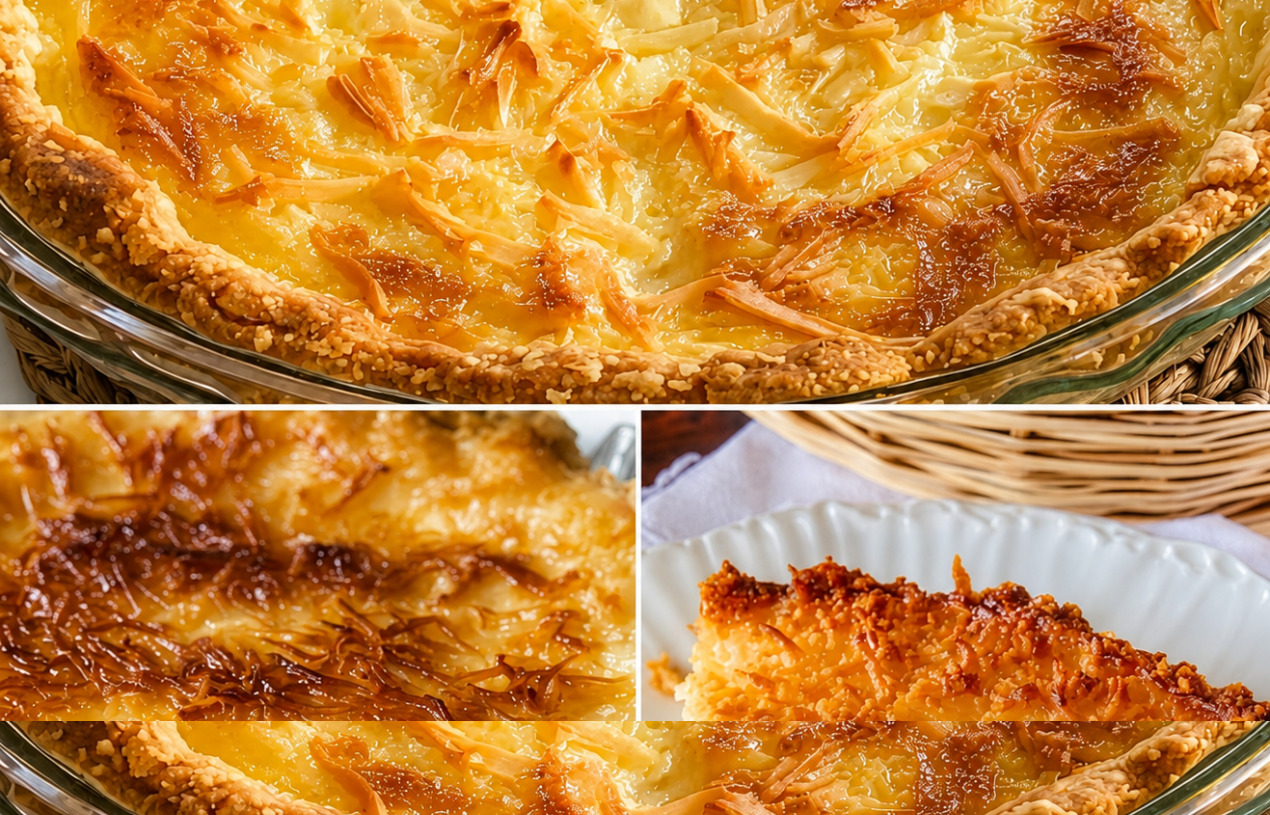
This Crust-Less Coconut Custard Pie is wonderfully creamy in the center with a lightly toasted coconut topping and a delicate, golden finish. The naturally rich combination of eggs, unsweetened coconut, and Greek yogurt creates a satisfying custard without needing a traditional pie crust.
It is an easy low-carb, high-protein dessert that feels indulgent while keeping the ingredient list simple. With no flour-based crust and a reduced-sugar filling, it makes a comforting choice for anyone looking for a lighter coconut dessert.
The contrast between the silky custard and toasted coconut makes every bite especially delicious. Serve it chilled for a firm, cheesecake-like texture or slightly warm for a softer, creamier dessert.
Can This Crust-Less Coconut Custard Pie Support Weight Loss Goals?
This pie can fit into a balanced weight-conscious eating plan when enjoyed in an appropriate portion. Using eggs and Greek yogurt provides protein, which can make a dessert more satisfying than a traditional sugar-heavy pie. The crustless preparation also removes the flour-based crust, while unsweetened coconut and a low-calorie sweetener help keep carbohydrates more moderate.
As with any dessert, portion size and overall dietary intake matter more than one individual recipe.
Does This Recipe Fit a High-Protein Lifestyle?
Yes, this version is designed to be more protein-friendly than a traditional coconut custard pie.
Eggs and Greek yogurt provide the primary protein, while unsweetened coconut contributes texture and healthy fats.
Using a low-carb sweetener keeps the added sugar and net carbohydrates relatively low.
Each serving provides a useful amount of protein while still delivering the creamy coconut-custard experience.
Why This Recipe Is Special
- Crustless and easy: No pie dough, rolling, chilling, or blind-baking is required.
- High-protein friendly: Eggs and Greek yogurt give the creamy dessert a protein boost.
- Low-carb option: Unsweetened coconut and a granulated sugar substitute help reduce carbohydrates.
- Creamy and comforting: The custard bakes into a soft, silky center with a lightly golden top.
- Coconut-forward flavor: Toasted coconut creates a delicious contrast against the smooth custard.
My Personal Experience
- I love how simple the preparation is.
Everything comes together in one bowl, making this much easier than a traditional coconut pie. - The texture is my favorite part.
After chilling, the custard becomes creamy and sliceable while the toasted coconut adds a pleasant bite. - I find the crustless design especially convenient.
There is no pastry to prepare, yet the baked custard still feels like a complete dessert. - The coconut flavor really stands out.
Using unsweetened shredded coconut lets the natural coconut taste shine without making the dessert overwhelmingly sweet.
Perfect For
This coconut custard pie is ideal for weeknight desserts, weekend baking, family gatherings, holiday tables, meal-prep desserts, and low-carb eating plans. Because it can be prepared ahead and refrigerated, it is especially convenient when you want dessert ready before guests arrive.
It also works beautifully as a lighter afternoon sweet treat alongside coffee or tea. Cut it into smaller portions for a controlled serving when incorporating it into a high-protein meal plan.
Why You’ll Love This Recipe
- No crust to make: Skip the rolling pin and enjoy a much simpler pie-making process.
- Creamy coconut center: The custard is soft, rich, and smooth without needing a traditional pastry filling.
- Protein-friendly: Greek yogurt and eggs make this more substantial than many conventional coconut desserts.
- Naturally beautiful: Toasted coconut creates a golden, bakery-style finish without complicated decoration.
- Make-ahead friendly: The pie slices especially well after it has cooled and chilled.
- Low-carb adaptable: A sugar-free sweetener keeps the recipe more suitable for low-carb menus.
Common Mistakes to Avoid
- Overbaking the custard — Remove the pie when the center still has a gentle jiggle; it will continue setting as it cools.
- Using sweetened coconut — Sweetened coconut can make the pie excessively sweet and significantly increase the carbohydrates.
- Cutting it while hot — Allow the pie to cool completely before slicing so the custard has time to firm.
- Using cold ingredients — Room-temperature eggs and Greek yogurt blend more smoothly and reduce the chance of a lumpy custard.
Required Equipment
- 9-inch pie dish — Provides the ideal depth for even baking.
- Large mixing bowl — Gives you enough room to whisk the custard without splashing.
- Whisk — Creates a smooth, evenly blended filling.
- Measuring cups and spoons — Helps maintain consistent proportions.
- Rubber spatula — Makes it easy to fold in coconut without overmixing.
- Wire cooling rack — Allows the pie to cool evenly after baking.
Storage Instructions
Allow the pie to cool completely before covering it. Store leftovers in an airtight container or tightly cover the pie dish with plastic wrap or foil.
Refrigerator: Keep refrigerated for up to 4 days. Because this is an egg- and dairy-based dessert, refrigeration is important for maintaining quality and food safety.
Freezer: Individual slices can be wrapped tightly and frozen for up to 2 months. Thaw overnight in the refrigerator before serving.
For the best high-protein-friendly texture, avoid repeatedly freezing and thawing the entire pie. Freezing individual portions makes it easier to take out only what you need.
Recipe Details
Preparation Time: 10 minutes
Cooking Time: 40–45 minutes
Cooling Time: 30 minutes
Total Time: About 1 hour 20 minutes
Servings: 8
Best Season: All-season
Total Calories: Approximately 205 calories per serving
Short 3-Line Description
Creamy, coconut-filled custard baked to golden perfection without a traditional crust.
Made with eggs and Greek yogurt for a more protein-friendly dessert with fewer carbs.
A simple, comforting low-carb treat with a soft center and beautifully toasted coconut top.
📝 Ingredients
For the Coconut Custard
- 4 large eggs, room temperature
- 1 cup plain nonfat Greek yogurt
- ¾ cup unsweetened almond milk
- ½ cup unsweetened shredded coconut
- ½ cup granulated monk fruit/erythritol sweetener, or preferred 1:1 sugar substitute
- ¼ cup vanilla whey protein powder, unflavored or vanilla
- 2 tablespoons melted unsalted butter
- 1 teaspoon vanilla extract
- ½ teaspoon coconut extract, optional but recommended
- ¼ teaspoon salt
- 2 tablespoons unsweetened shredded coconut, for topping
Ingredient Notes
- Use unsweetened shredded coconut to keep the carbohydrate and sugar content lower.
- If your protein powder is already very sweet, reduce the sweetener slightly.
- Full-fat Greek yogurt can be substituted for a richer custard, although the nutrition values will change.
- Coconut extract is optional but intensifies the coconut flavor without adding much carbohydrate.
Directions
1. Prepare the Oven
Preheat your oven to 350°F (175°C). Lightly grease a 9-inch pie dish with nonstick spray or a thin layer of butter.
2. Whisk the Eggs
In a large bowl, whisk the 4 eggs for about 30–45 seconds until the yolks and whites are completely combined.
High-protein tip: Avoid aggressively whipping the eggs into a foam; a smooth custard mixture is the goal.
3. Add the Dairy Ingredients
Add the Greek yogurt, almond milk, melted butter, vanilla extract, coconut extract, sweetener, and salt. Whisk until smooth and creamy.
The mixture should look evenly blended with no visible streaks of yogurt.
4. Add the Protein Powder
Sprinkle in the protein powder gradually while whisking continuously. This helps prevent dry pockets or lumps.
Let the mixture stand for 1–2 minutes, then whisk again until completely smooth.
5. Fold in the Coconut
Add ½ cup unsweetened shredded coconut and gently fold it through the custard with a spatula.
Do not overmix; simply distribute the coconut evenly.
6. Fill the Pie Dish
Pour the custard into the prepared pie dish. Smooth the surface gently.
Sprinkle the remaining 2 tablespoons shredded coconut evenly over the top.
7. Bake
Place the pie on the center rack and bake at 350°F (175°C) for approximately 40–45 minutes.
The edges should look set and lightly golden while the center should still have a slight jiggle when the dish is gently moved.
8. Check for Doneness
Insert a thin knife near the center; it should come out mostly clean with a little moisture but no liquid custard.
Avoid waiting until the center is completely firm in the oven because overbaking can produce a rubbery texture.
9. Cool
Remove the pie and place it on a wire rack. Allow it to cool for at least 30 minutes.
The custard will continue to firm as it cools.
10. Chill and Serve
For the cleanest slices, refrigerate for at least 2 hours before cutting.
Slice into 8 portions and serve chilled, or allow individual slices to sit at room temperature for about 10 minutes before serving.
Nutrition Facts
Per Serving — Approximate
| Nutrient | Amount |
|---|---|
| Calories | 205 kcal |
| Total Fat | 11 g |
| Cholesterol | 105 mg |
| Sodium | 170 mg |
| Potassium | 180 mg |
| Total Carbohydrates | 9 g |
| Fiber | 3 g |
| Net Carbs | 6 g |
| Sugars | 3 g |
| Protein | 16 g |
| Calcium | 135 mg |
Nutrition values are approximate and can vary depending on the Greek yogurt, protein powder, sweetener, almond milk, and coconut products used.
Notes
Storage
Refrigerate the cooled pie in an airtight container for up to 4 days. Individual slices can be frozen for up to 2 months.
Reheating
This dessert is best cold or slightly cool, but if you prefer it warm, microwave one slice for approximately 10–15 seconds. Avoid overheating because the egg-based custard can become firm or rubbery.
Allergy Notes
This recipe contains eggs and dairy and may contain coconut; check your protein powder and almond milk labels for additional allergens.
Flavor Boosts
Add ½ teaspoon cinnamon, a pinch of nutmeg, or a little extra vanilla for a warmer flavor. A small amount of fresh lime or lemon zest also gives the coconut custard a bright finish.
Protein Powder Tip
Different protein powders absorb liquid differently, so if your mixture becomes unusually thick, whisk in 1–2 tablespoons additional almond milk before baking.
Serving Tip
For an especially attractive presentation, chill the pie thoroughly, slice with a sharp knife, and sprinkle each piece with a tiny amount of toasted unsweetened coconut before serving.
Frequently Asked Questions
1. Is this coconut custard pie really crustless?
Yes, the creamy custard is baked directly in a greased pie dish without a traditional flour-based crust.
2. Can I make this pie keto-friendly?
Yes, using a keto-approved sweetener, unsweetened almond milk, unsweetened coconut, and a low-carb protein powder keeps the recipe relatively low in net carbohydrates.
3. Can I use regular milk instead of almond milk?
Yes, but regular milk will slightly change the carbohydrate, calorie, and protein values.
4. Why is my custard rubbery?
Rubbery custard is usually caused by overbaking, so remove the pie when the center still has a slight jiggle.
5. Can I use full-fat Greek yogurt?
Absolutely; it will create a richer and creamier pie, although the calories and fat will increase.
6. Can I prepare it the day before?
Yes, this pie is excellent as a make-ahead dessert and can be refrigerated overnight before serving.Description
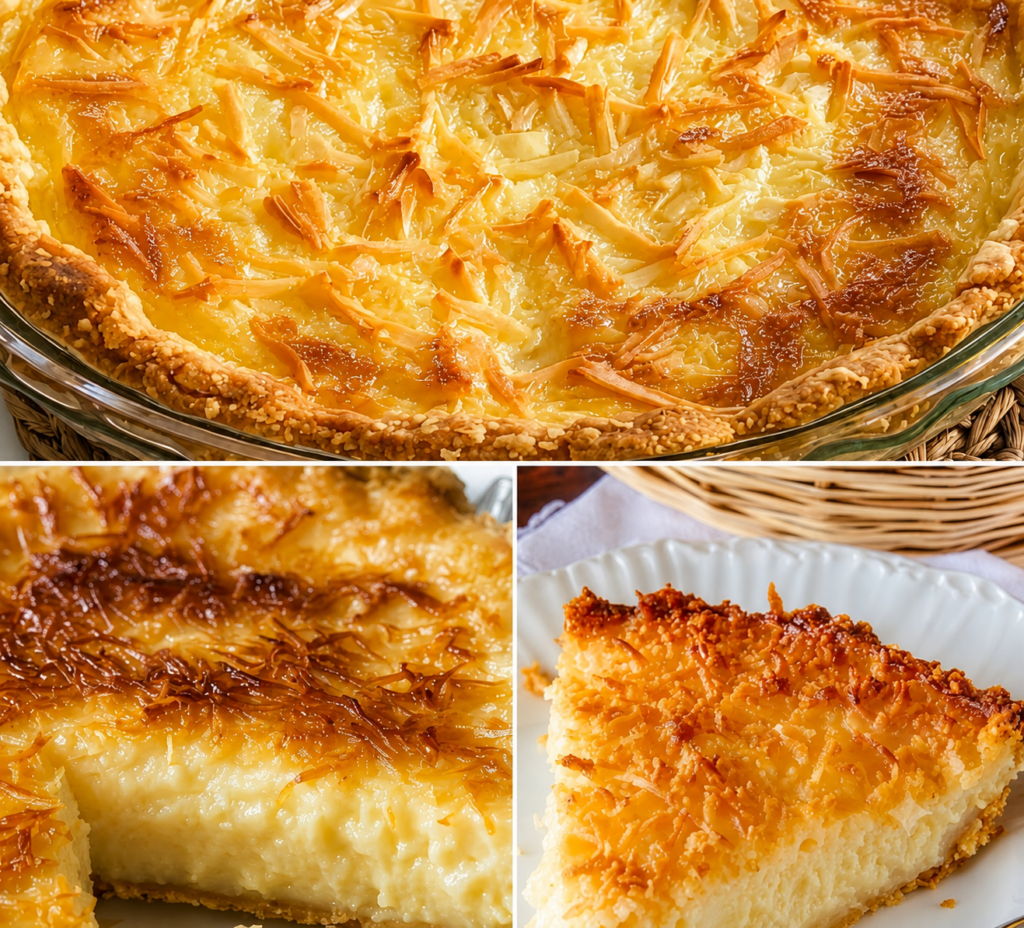
This Crust-Less Coconut Custard Pie is wonderfully creamy in the center with a lightly toasted coconut topping and a delicate, golden finish. The naturally rich combination of eggs, unsweetened coconut, and Greek yogurt creates a satisfying custard without needing a traditional pie crust.
It is an easy low-carb, high-protein dessert that feels indulgent while keeping the ingredient list simple. With no flour-based crust and a reduced-sugar filling, it makes a comforting choice for anyone looking for a lighter coconut dessert.
The contrast between the silky custard and toasted coconut makes every bite especially delicious. Serve it chilled for a firm, cheesecake-like texture or slightly warm for a softer, creamier dessert.
Can This Crust-Less Coconut Custard Pie Support Weight Loss Goals?
This pie can fit into a balanced weight-conscious eating plan when enjoyed in an appropriate portion. Using eggs and Greek yogurt provides protein, which can make a dessert more satisfying than a traditional sugar-heavy pie. The crustless preparation also removes the flour-based crust, while unsweetened coconut and a low-calorie sweetener help keep carbohydrates more moderate.
As with any dessert, portion size and overall dietary intake matter more than one individual recipe.
Does This Recipe Fit a High-Protein Lifestyle?
Yes, this version is designed to be more protein-friendly than a traditional coconut custard pie.
Eggs and Greek yogurt provide the primary protein, while unsweetened coconut contributes texture and healthy fats.
Using a low-carb sweetener keeps the added sugar and net carbohydrates relatively low.
Each serving provides a useful amount of protein while still delivering the creamy coconut-custard experience.
Why This Recipe Is Special
- Crustless and easy: No pie dough, rolling, chilling, or blind-baking is required.
- High-protein friendly: Eggs and Greek yogurt give the creamy dessert a protein boost.
- Low-carb option: Unsweetened coconut and a granulated sugar substitute help reduce carbohydrates.
- Creamy and comforting: The custard bakes into a soft, silky center with a lightly golden top.
- Coconut-forward flavor: Toasted coconut creates a delicious contrast against the smooth custard.
My Personal Experience
- I love how simple the preparation is.
Everything comes together in one bowl, making this much easier than a traditional coconut pie. - The texture is my favorite part.
After chilling, the custard becomes creamy and sliceable while the toasted coconut adds a pleasant bite. - I find the crustless design especially convenient.
There is no pastry to prepare, yet the baked custard still feels like a complete dessert. - The coconut flavor really stands out.
Using unsweetened shredded coconut lets the natural coconut taste shine without making the dessert overwhelmingly sweet.
Perfect For
This coconut custard pie is ideal for weeknight desserts, weekend baking, family gatherings, holiday tables, meal-prep desserts, and low-carb eating plans. Because it can be prepared ahead and refrigerated, it is especially convenient when you want dessert ready before guests arrive.
It also works beautifully as a lighter afternoon sweet treat alongside coffee or tea. Cut it into smaller portions for a controlled serving when incorporating it into a high-protein meal plan.
Why You’ll Love This Recipe
- No crust to make: Skip the rolling pin and enjoy a much simpler pie-making process.
- Creamy coconut center: The custard is soft, rich, and smooth without needing a traditional pastry filling.
- Protein-friendly: Greek yogurt and eggs make this more substantial than many conventional coconut desserts.
- Naturally beautiful: Toasted coconut creates a golden, bakery-style finish without complicated decoration.
- Make-ahead friendly: The pie slices especially well after it has cooled and chilled.
- Low-carb adaptable: A sugar-free sweetener keeps the recipe more suitable for low-carb menus.
Common Mistakes to Avoid
- Overbaking the custard — Remove the pie when the center still has a gentle jiggle; it will continue setting as it cools.
- Using sweetened coconut — Sweetened coconut can make the pie excessively sweet and significantly increase the carbohydrates.
- Cutting it while hot — Allow the pie to cool completely before slicing so the custard has time to firm.
- Using cold ingredients — Room-temperature eggs and Greek yogurt blend more smoothly and reduce the chance of a lumpy custard.
Required Equipment
- 9-inch pie dish — Provides the ideal depth for even baking.
- Large mixing bowl — Gives you enough room to whisk the custard without splashing.
- Whisk — Creates a smooth, evenly blended filling.
- Measuring cups and spoons — Helps maintain consistent proportions.
- Rubber spatula — Makes it easy to fold in coconut without overmixing.
- Wire cooling rack — Allows the pie to cool evenly after baking.
Storage Instructions
Allow the pie to cool completely before covering it. Store leftovers in an airtight container or tightly cover the pie dish with plastic wrap or foil.
Refrigerator: Keep refrigerated for up to 4 days. Because this is an egg- and dairy-based dessert, refrigeration is important for maintaining quality and food safety.
Freezer: Individual slices can be wrapped tightly and frozen for up to 2 months. Thaw overnight in the refrigerator before serving.
For the best high-protein-friendly texture, avoid repeatedly freezing and thawing the entire pie. Freezing individual portions makes it easier to take out only what you need.
Recipe Details
Preparation Time: 10 minutes
Cooking Time: 40–45 minutes
Cooling Time: 30 minutes
Total Time: About 1 hour 20 minutes
Servings: 8
Best Season: All-season
Total Calories: Approximately 205 calories per serving
Short 3-Line Description
Creamy, coconut-filled custard baked to golden perfection without a traditional crust.
Made with eggs and Greek yogurt for a more protein-friendly dessert with fewer carbs.
A simple, comforting low-carb treat with a soft center and beautifully toasted coconut top.
📝 Ingredients
For the Coconut Custard
- 4 large eggs, room temperature
- 1 cup plain nonfat Greek yogurt
- ¾ cup unsweetened almond milk
- ½ cup unsweetened shredded coconut
- ½ cup granulated monk fruit/erythritol sweetener, or preferred 1:1 sugar substitute
- ¼ cup vanilla whey protein powder, unflavored or vanilla
- 2 tablespoons melted unsalted butter
- 1 teaspoon vanilla extract
- ½ teaspoon coconut extract, optional but recommended
- ¼ teaspoon salt
- 2 tablespoons unsweetened shredded coconut, for topping
Ingredient Notes
- Use unsweetened shredded coconut to keep the carbohydrate and sugar content lower.
- If your protein powder is already very sweet, reduce the sweetener slightly.
- Full-fat Greek yogurt can be substituted for a richer custard, although the nutrition values will change.
- Coconut extract is optional but intensifies the coconut flavor without adding much carbohydrate.
Directions
1. Prepare the Oven
Preheat your oven to 350°F (175°C). Lightly grease a 9-inch pie dish with nonstick spray or a thin layer of butter.
2. Whisk the Eggs
In a large bowl, whisk the 4 eggs for about 30–45 seconds until the yolks and whites are completely combined.
High-protein tip: Avoid aggressively whipping the eggs into a foam; a smooth custard mixture is the goal.
3. Add the Dairy Ingredients
Add the Greek yogurt, almond milk, melted butter, vanilla extract, coconut extract, sweetener, and salt. Whisk until smooth and creamy.
The mixture should look evenly blended with no visible streaks of yogurt.
4. Add the Protein Powder
Sprinkle in the protein powder gradually while whisking continuously. This helps prevent dry pockets or lumps.
Let the mixture stand for 1–2 minutes, then whisk again until completely smooth.
5. Fold in the Coconut
Add ½ cup unsweetened shredded coconut and gently fold it through the custard with a spatula.
Do not overmix; simply distribute the coconut evenly.
6. Fill the Pie Dish
Pour the custard into the prepared pie dish. Smooth the surface gently.
Sprinkle the remaining 2 tablespoons shredded coconut evenly over the top.
7. Bake
Place the pie on the center rack and bake at 350°F (175°C) for approximately 40–45 minutes.
The edges should look set and lightly golden while the center should still have a slight jiggle when the dish is gently moved.
8. Check for Doneness
Insert a thin knife near the center; it should come out mostly clean with a little moisture but no liquid custard.
Avoid waiting until the center is completely firm in the oven because overbaking can produce a rubbery texture.
9. Cool
Remove the pie and place it on a wire rack. Allow it to cool for at least 30 minutes.
The custard will continue to firm as it cools.
10. Chill and Serve
For the cleanest slices, refrigerate for at least 2 hours before cutting.
Slice into 8 portions and serve chilled, or allow individual slices to sit at room temperature for about 10 minutes before serving.
Nutrition Facts
Per Serving — Approximate
| Nutrient | Amount |
|---|---|
| Calories | 205 kcal |
| Total Fat | 11 g |
| Cholesterol | 105 mg |
| Sodium | 170 mg |
| Potassium | 180 mg |
| Total Carbohydrates | 9 g |
| Fiber | 3 g |
| Net Carbs | 6 g |
| Sugars | 3 g |
| Protein | 16 g |
| Calcium | 135 mg |
Nutrition values are approximate and can vary depending on the Greek yogurt, protein powder, sweetener, almond milk, and coconut products used.
Notes
Storage
Refrigerate the cooled pie in an airtight container for up to 4 days. Individual slices can be frozen for up to 2 months.
Reheating
This dessert is best cold or slightly cool, but if you prefer it warm, microwave one slice for approximately 10–15 seconds. Avoid overheating because the egg-based custard can become firm or rubbery.
Allergy Notes
This recipe contains eggs and dairy and may contain coconut; check your protein powder and almond milk labels for additional allergens.
Flavor Boosts
Add ½ teaspoon cinnamon, a pinch of nutmeg, or a little extra vanilla for a warmer flavor. A small amount of fresh lime or lemon zest also gives the coconut custard a bright finish.
Protein Powder Tip
Different protein powders absorb liquid differently, so if your mixture becomes unusually thick, whisk in 1–2 tablespoons additional almond milk before baking.
Serving Tip
For an especially attractive presentation, chill the pie thoroughly, slice with a sharp knife, and sprinkle each piece with a tiny amount of toasted unsweetened coconut before serving.
Frequently Asked Questions
1. Is this coconut custard pie really crustless?
Yes, the creamy custard is baked directly in a greased pie dish without a traditional flour-based crust.
2. Can I make this pie keto-friendly?
Yes, using a keto-approved sweetener, unsweetened almond milk, unsweetened coconut, and a low-carb protein powder keeps the recipe relatively low in net carbohydrates.
3. Can I use regular milk instead of almond milk?
Yes, but regular milk will slightly change the carbohydrate, calorie, and protein values.
4. Why is my custard rubbery?
Rubbery custard is usually caused by overbaking, so remove the pie when the center still has a slight jiggle.
5. Can I use full-fat Greek yogurt?
Absolutely; it will create a richer and creamier pie, although the calories and fat will increase.
6. Can I prepare it the day before?
Yes, this pie is excellent as a make-ahead dessert and can be refrigerated overnight before serving.