
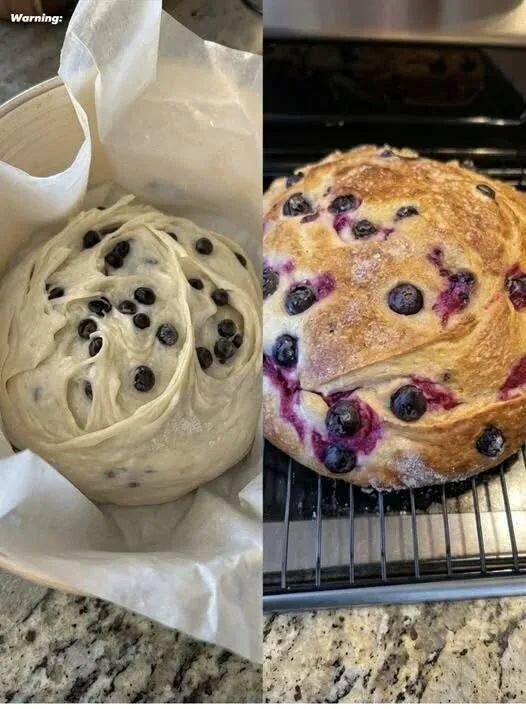
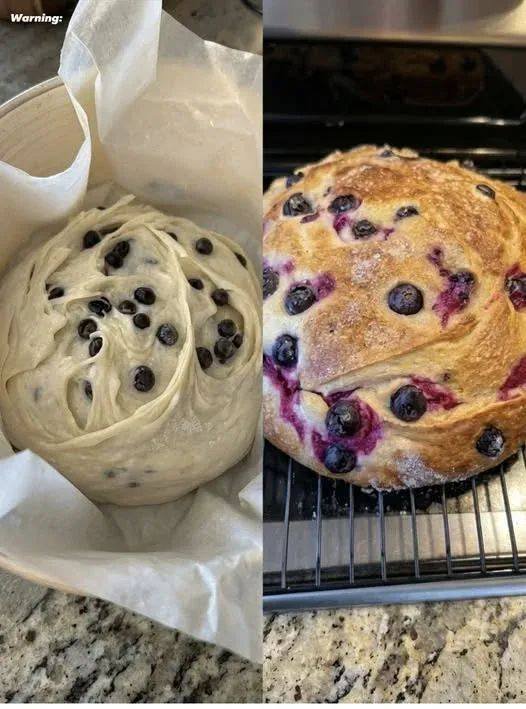
Blueberry Sourdough Bread (Anti-Inflammatory Artisan Loaf)
🧾 Introduction
Blueberry Sourdough Bread is a sophisticated fusion of traditional artisan baking and modern functional nutrition. This naturally fermented loaf combines the tangy complexity of sourdough with the subtle sweetness and antioxidant power of blueberries, creating a bread that is as nourishing as it is flavorful. It is designed for individuals who value clean eating, gut health, and high-quality ingredients in their daily diet.
Unlike conventional breads made with commercial yeast, sourdough relies on a slow fermentation process. This not only enhances flavor but also improves the digestibility of the grain. When paired with blueberries—one of the most nutrient-dense fruits—this loaf becomes a truly elevated functional food.
🌿 Nutritional Philosophy
The concept behind this bread goes beyond taste. It aligns with anti-inflammatory and gut-friendly dietary approaches that emphasize whole foods, slow preparation, and nutrient bioavailability. The fermentation process helps break down phytic acid, a compound that can inhibit mineral absorption, thereby allowing your body to better utilize nutrients such as iron, magnesium, and zinc.
Blueberries contribute a rich supply of polyphenols, which are plant compounds known for their role in combating oxidative stress. Together, sourdough and blueberries create a balanced food that supports digestion, energy levels, and overall wellness.
🧬 Gut Health Benefits
One of the defining features of sourdough bread is its impact on digestive health. The natural fermentation process encourages the growth of beneficial bacteria, which pre-digest some of the gluten and starches. This can make sourdough easier to tolerate for some individuals compared to standard bread.
While the baking process reduces live probiotic content, the fermentation still leaves behind beneficial byproducts such as organic acids. These compounds may support a healthier gut environment and contribute to improved digestion.
🍇 Why Blueberries?
Blueberries are widely recognized for their high antioxidant content. They are particularly rich in anthocyanins, the pigments responsible for their deep blue color. These compounds are associated with reduced inflammation and improved cellular health.
In baking, blueberries also add natural sweetness and moisture. When incorporated carefully, they create pockets of juicy flavor throughout the loaf, elevating both texture and taste.
🥣 Ingredients Overview
This recipe uses simple, whole-food ingredients that are easy to source yet highly effective when combined properly. Each component plays a specific role in the structure, flavor, and nutritional profile of the bread.
Bread flour provides the protein necessary for gluten development, giving the loaf its structure. The sourdough starter acts as a natural leavening agent, while also contributing to flavor complexity. Water hydrates the dough and activates gluten formation. Sea salt enhances flavor and regulates fermentation.
Blueberries are the star ingredient, bringing both nutritional value and visual appeal. Optional additions like honey or maple syrup and lemon zest allow for subtle customization without compromising the bread’s health benefits.
⚖️ Ingredient List
- 3 cups bread flour (preferably organic and unbleached)
- 1 cup active sourdough starter
- 1 to 1¼ cups lukewarm water
- 1 teaspoon sea salt
- 1 cup fresh or frozen blueberries
- 1 tablespoon honey or maple syrup (optional)
- 1 teaspoon lemon zest (optional)
🧪 Preparing the Dough
Begin by combining the sourdough starter, water, and optional sweetener in a large mixing bowl. Stir until the mixture is evenly distributed and slightly frothy. This step ensures that the starter is fully activated and ready to ferment the dough.
Next, add the flour and salt. Mix until a rough, shaggy dough forms. At this stage, the dough will look uneven and slightly sticky, which is completely normal. Avoid overmixing, as gluten development will occur naturally during resting and folding stages.
⏳ Autolyse Phase
Allow the dough to rest for 30 to 45 minutes. This process, known as autolyse, enables the flour to fully absorb the water. It also initiates gluten formation without the need for intensive kneading.
During this resting period, enzymes begin breaking down starches into sugars, which will later feed the fermentation process. This step contributes to both improved texture and enhanced flavor.
🔄 Stretch and Fold Technique
Instead of traditional kneading, sourdough relies on a series of stretch-and-fold movements. Every 30 minutes over a period of about two hours, gently stretch one side of the dough and fold it over itself.
This method strengthens the gluten network while maintaining the dough’s airy structure. By the final set, the dough should feel smoother, more elastic, and slightly resistant to stretching.
🫐 Incorporating Blueberries
During the last stretch-and-fold session, gently incorporate the blueberries. To prevent excess moisture and color bleeding, you can lightly coat them in flour before adding them to the dough.
Handle the dough carefully to avoid crushing the berries. The goal is to distribute them evenly while preserving their shape and integrity.
🌡️ Bulk Fermentation
Cover the dough and allow it to ferment at room temperature for 6 to 8 hours. The exact time will depend on your environment, particularly temperature.
Rather than relying solely on time, observe the dough. It should become slightly domed, show visible air bubbles, and feel light and airy. A rise of about 50–75% is typically ideal.
🔺 Shaping the Dough
Once fermentation is complete, transfer the dough onto a lightly floured surface. Shape it into a round or oval loaf by gently folding the edges toward the center.
This step creates surface tension, which helps the loaf maintain its structure during baking. Place the shaped dough into a proofing basket lined with parchment paper.
❄️ Cold Proofing
Refrigerate the dough for 8 to 12 hours, or overnight. This slow fermentation stage enhances flavor complexity and improves the dough’s structure.
Cold proofing also makes the dough easier to handle and score before baking. For even deeper flavor, you can extend this stage up to 24 hours.
🔥 Baking Process
Preheat your oven to 230°C (450°F) with a Dutch oven inside. This ensures even heat distribution and creates steam, which is essential for a good crust.
Carefully transfer the dough into the hot Dutch oven. Score the top with a sharp blade to control expansion. Bake covered for 20 minutes, then remove the lid and continue baking for another 20 to 25 minutes until the crust is deeply golden.
🧊 Cooling the Bread
Allow the bread to cool completely on a wire rack before slicing. This step is crucial, as cutting too early can result in a gummy texture.
As the bread cools, the internal structure sets and moisture redistributes evenly, resulting in a better crumb.
🍽️ Serving Suggestions
This bread is highly versatile and can be enjoyed in various ways. Toasted slices pair beautifully with almond butter or soft cheeses. For a balanced snack, serve it with Greek yogurt and a drizzle of honey.
It also works well as a base for gourmet sandwiches, particularly when paired with mild cheeses that complement the sweetness of the blueberries.
🔄 Creative Variations
You can customize this recipe to suit your preferences. Adding walnuts introduces healthy fats and a satisfying crunch. Increasing lemon zest enhances brightness and acidity.
For a different flavor profile, consider adding cinnamon or using alternative flours like spelt or einkorn for a more rustic texture.
⚠️ Common Mistakes
A dense loaf is often the result of under-proofing or using an inactive starter. Ensure your starter is bubbly and active before beginning.
Overloading the dough with blueberries can also affect structure. Maintain a balanced ratio to preserve the integrity of the loaf.
🧠 Storage Tips
Store the bread at room temperature in a breathable bag or wrapped in a clean cloth. Avoid plastic, as it can trap moisture and soften the crust.
For longer storage, slice and freeze the bread. Toast slices directly from frozen for convenience.
🥗 Nutritional Insights
Each slice provides a balance of carbohydrates, fiber, and protein, making it suitable for sustained energy. The natural fermentation process supports nutrient absorption, while blueberries contribute antioxidants.
Although live probiotics do not survive baking, the fermentation still enhances overall digestibility and nutritional quality.
🌟 Health Perspective
This bread fits well into a balanced diet focused on whole, minimally processed foods. It offers a thoughtful alternative to commercial bread by emphasizing quality ingredients and traditional techniques.
It can be particularly beneficial for those seeking to reduce inflammation through dietary choices, although it should be consumed as part of a varied and balanced diet.
💡 Final Thoughts
Blueberry Sourdough Bread represents the perfect intersection of craftsmanship and nutrition. It transforms simple ingredients into a product that is rich in flavor, visually appealing, and aligned with modern health-conscious lifestyles.
Whether you are an experienced baker or just beginning your sourdough journey, this recipe offers both a rewarding process and a delicious result. With patience and attention to detail, you can create a loaf that is not only beautiful but also deeply nourishing.